
Last updated August 25, 2026
Free visual inspection and a written scope of work before any mitigation begins - photos, moisture readings, and drying logs go in your claim file
The scope we write is the scope we bill. Anything new gets shown to you, in writing, before we touch it.
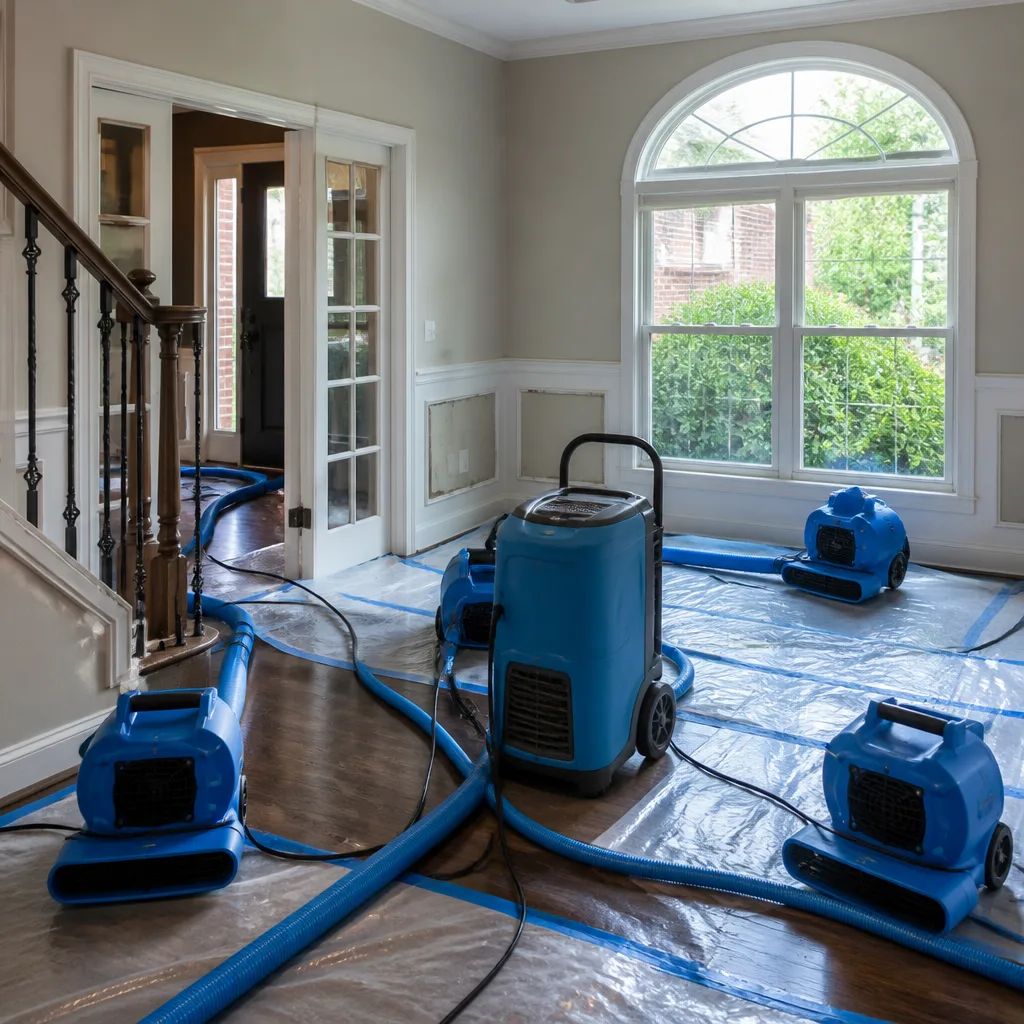

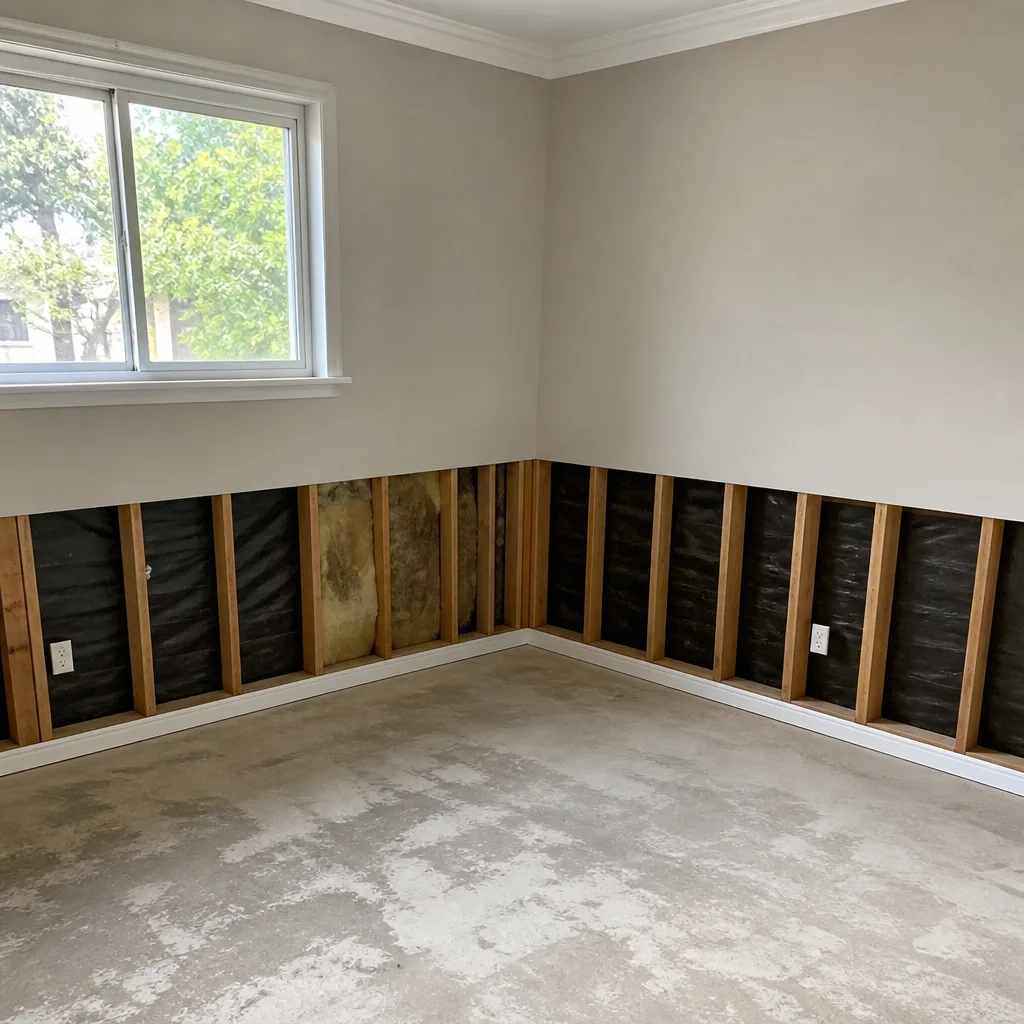
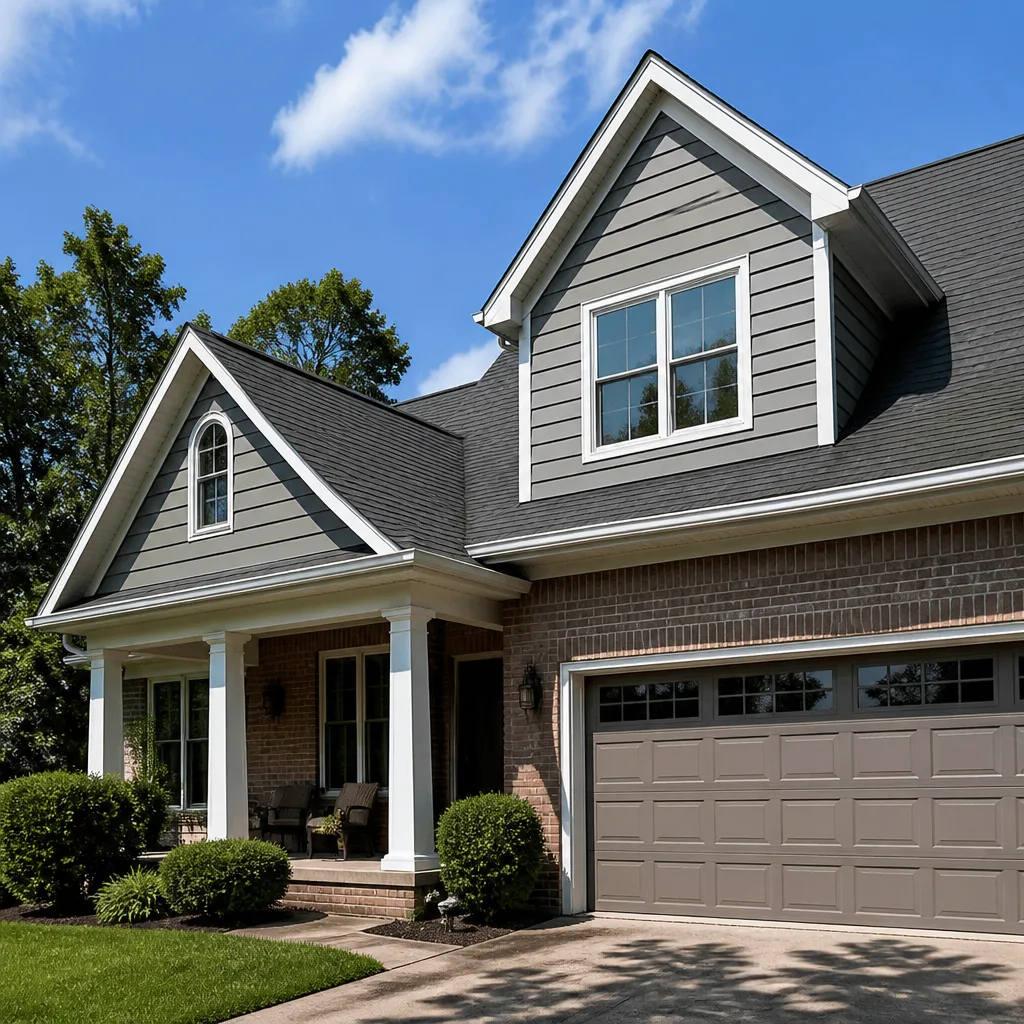
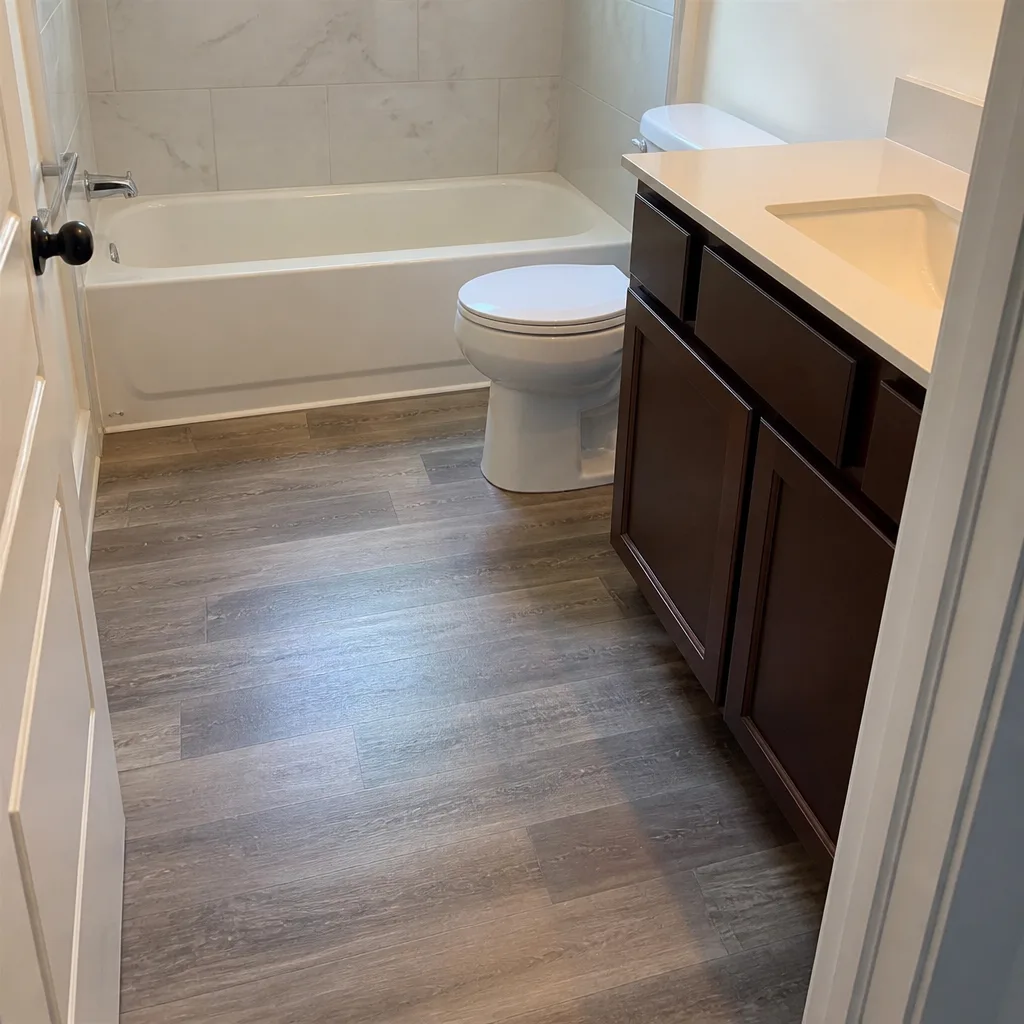

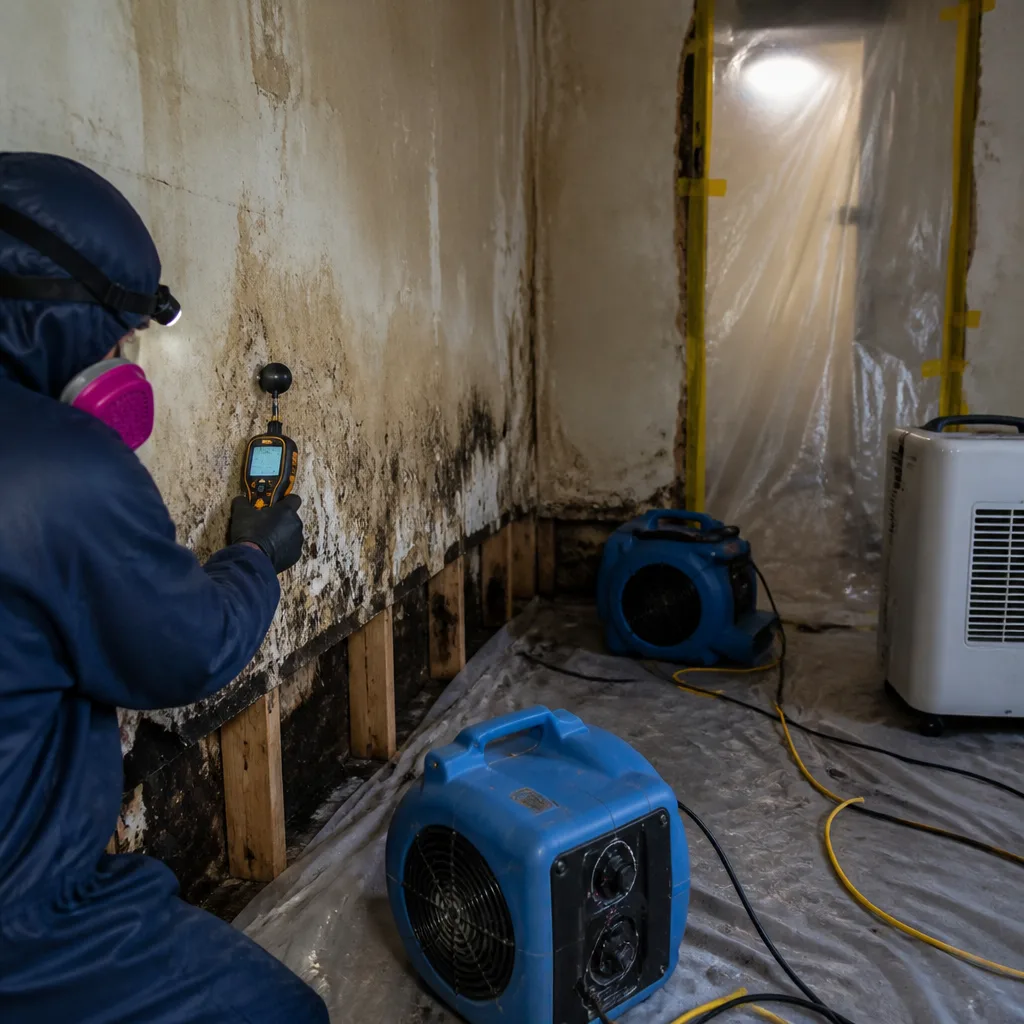 Before
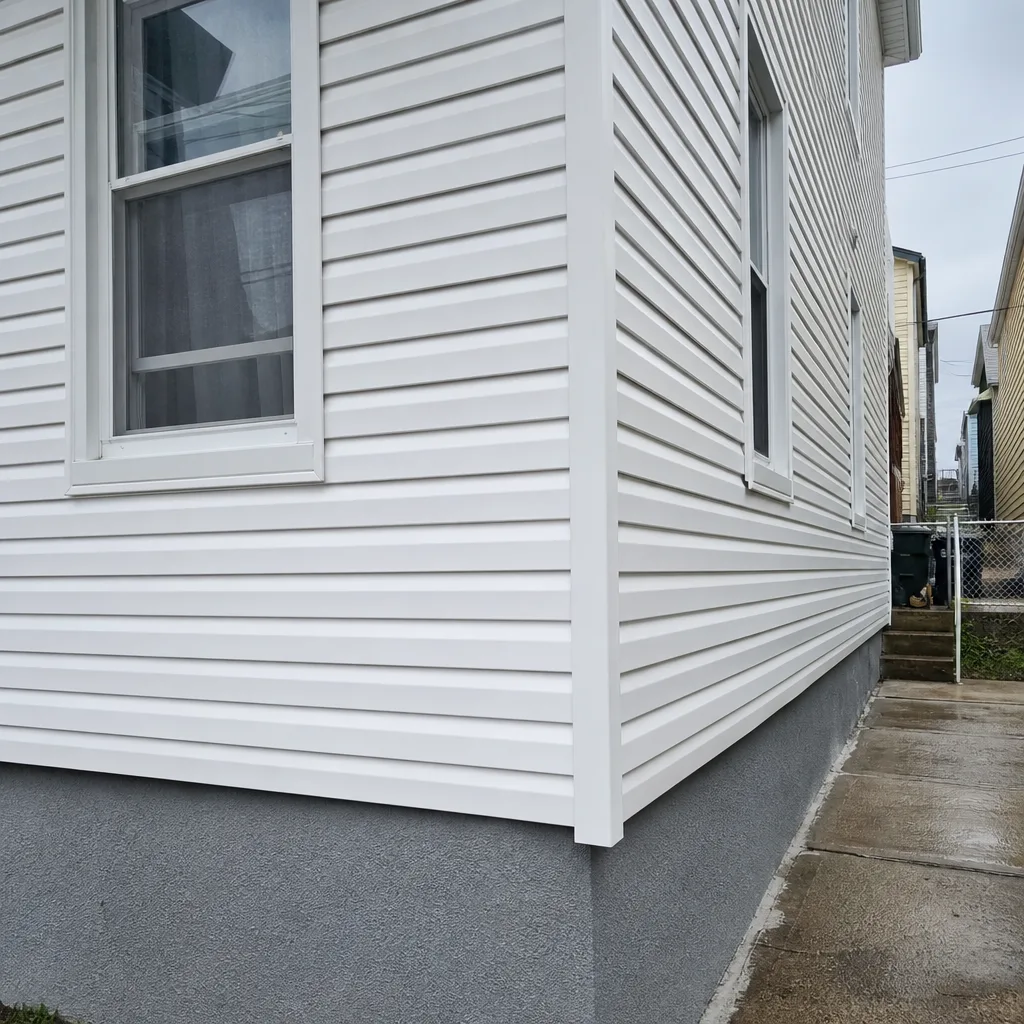 After
After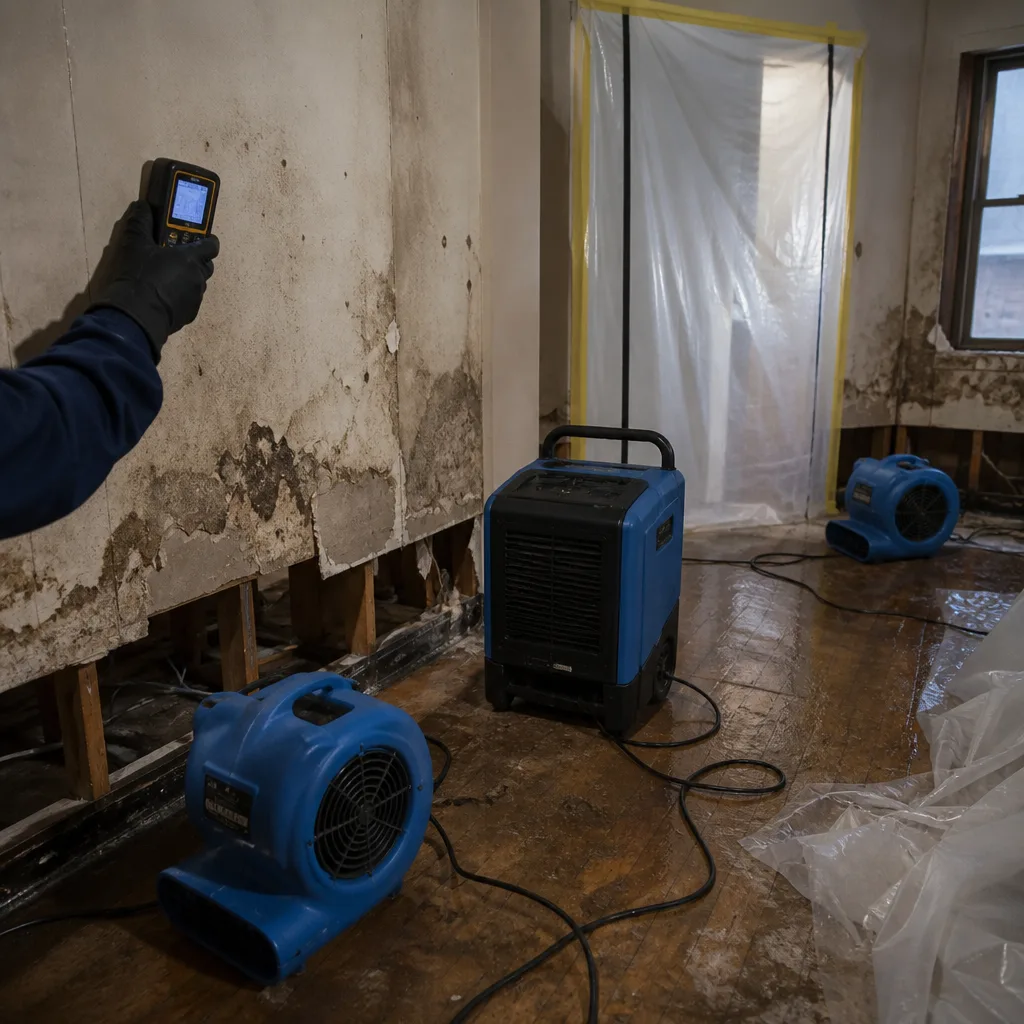 Before
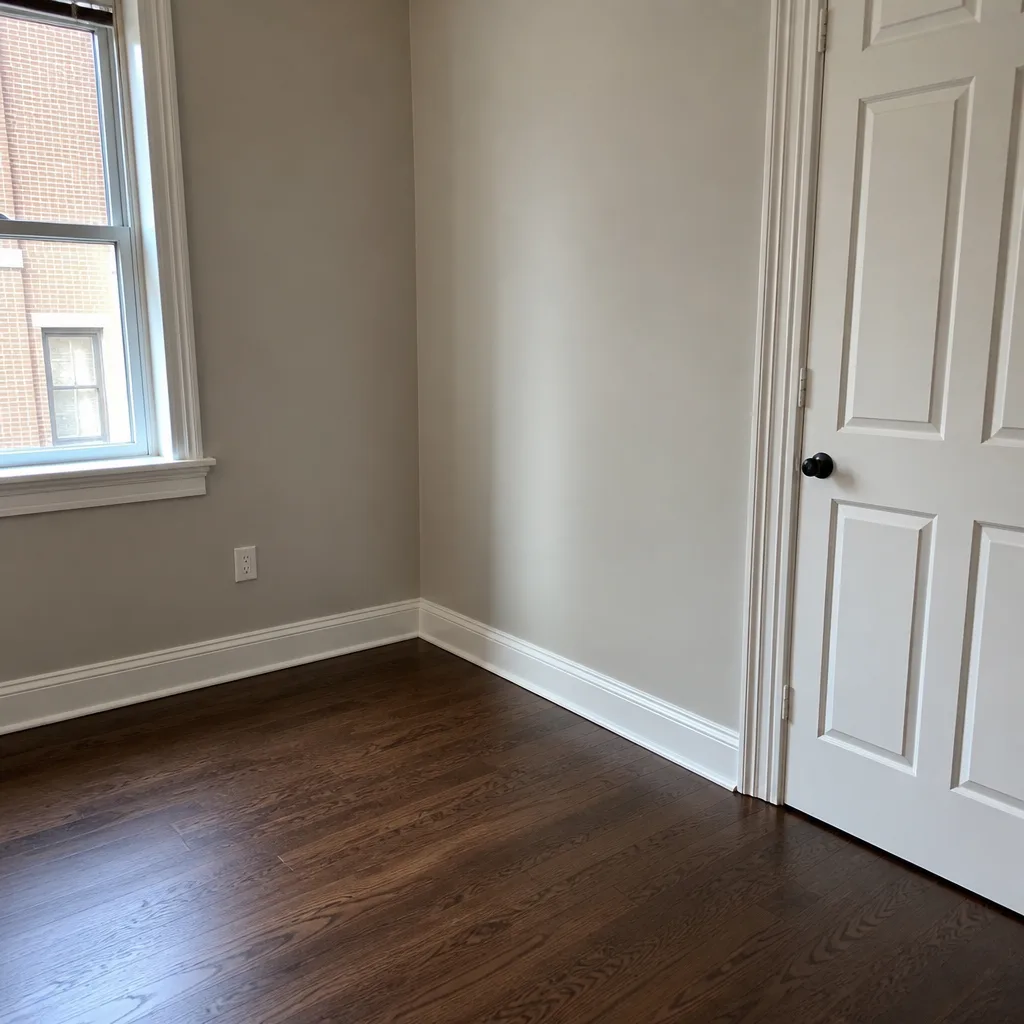 After
After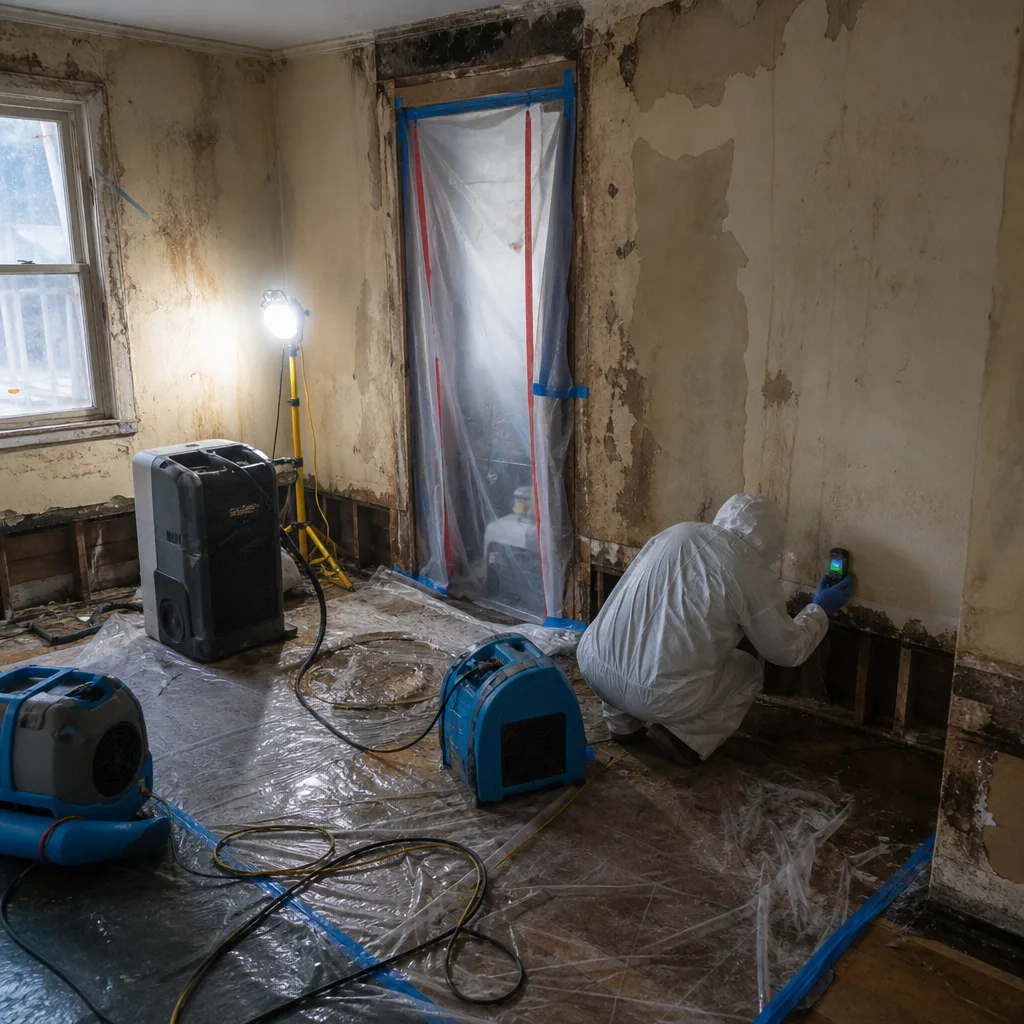 Before
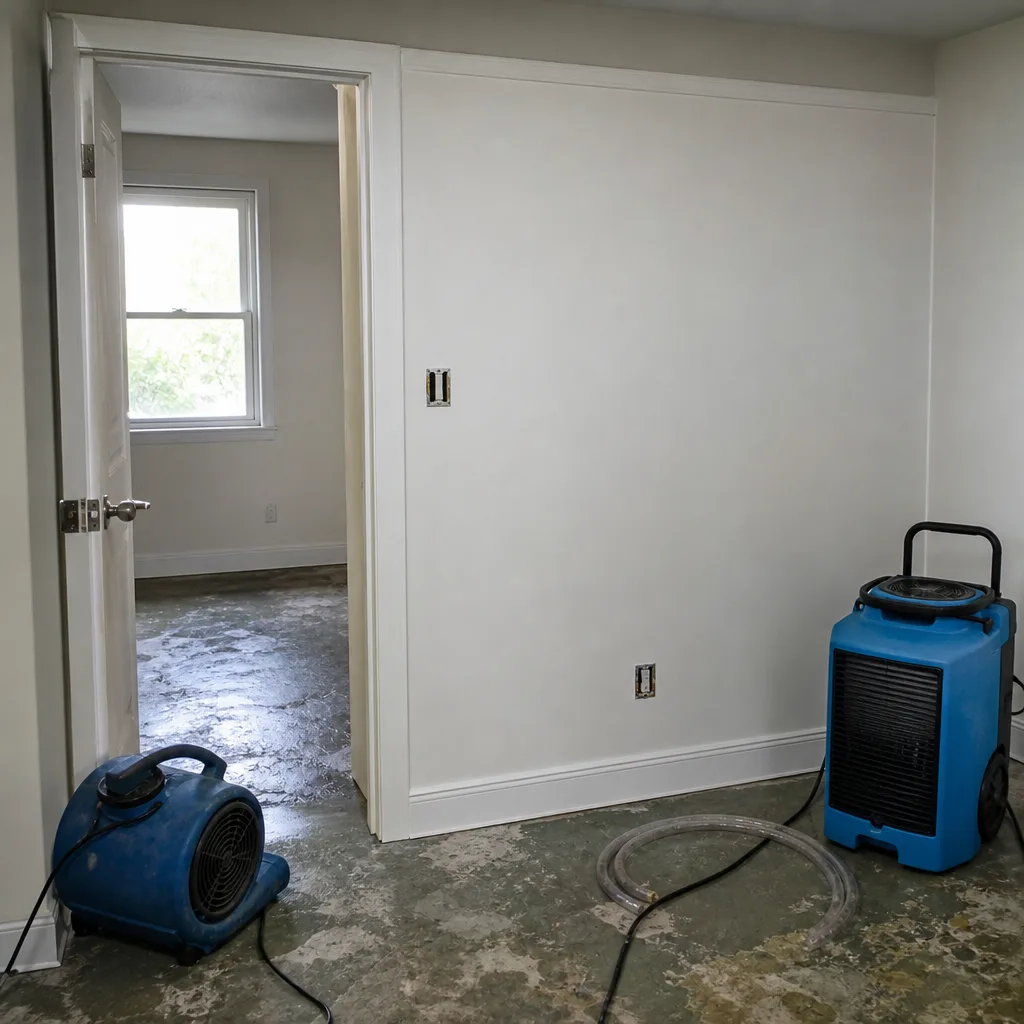 After
AfterHow to Hire a Damage Restoration Contractor in East Bronx: A Step-by-Step Guide
Most East Bronx homeowners will face water damage, mold, or fire damage at least once in the years they own their house. The way that first phone call goes often decides whether the job gets done right or becomes a second disaster. A 2024 industry report found that roughly one in four restoration jobs had to be partially redone because the initial drying was incomplete, and in a borough where basements flood and winters freeze, incomplete work shows up fast. This guide walks you through how to hire a damage restoration contractor in East Bronx without getting burned twice, what to ask before anyone touches your walls, and the specific things that go wrong in this part of the Bronx that a contractor should already know.
Quick Answer
Hiring a damage restoration contractor in East Bronx comes down to four checks: confirm they handle the full job from first extraction to final rebuild, verify they bill your insurance carrier directly, ask for daily moisture readings in writing, and get their workmanship guarantee on paper before you sign. A good contractor answers the phone with a person, arrives when they say they will, and gives you a square deal with no surprises on the bill. Everything else in this guide explains how to spot the difference between that contractor and the rest.
Table of Contents
- Step 1: Stop the Damage and Document Everything
- Step 2: Check Licenses, Insurance, and Local Reputation
- Step 3: Ask the Questions That Reveal Real Expertise
- Step 4: Get a Written Scope and a Clear Price
- Step 5: Understand the Drying Process and Why It Matters
- Step 6: Confirm Direct Insurance Billing and Documentation
- Step 7: Sign With a Guarantee You Can Hold Them To
- Common Mistakes to Avoid
- When to Call a Professional
- Frequently Asked Questions
- The Bottom Line
Step 1: Stop the Damage and Document Everything
Before you hire anyone, you need to do two things in the right order: stop the source of water or fire damage from getting worse, and photograph everything. In East Bronx, where many homes were built before modern waterproofing standards and basement drainage can be unreliable, standing water doesn’t wait for a contractor to return your call. Shut off the water main if you can reach it safely. Kill the electricity to flooded areas at the breaker panel. Move furniture and belongings off wet carpet if it’s safe to walk. Then take photos of every affected room from multiple angles, including the water line on drywall, the condition of flooring, and any visible mold growth. These photos become the foundation of your insurance claim, so take them before any cleanup begins. A contractor cannot re-document what you’ve already mopped up.
Time matters more in restoration than in any other home repair. In our experience working East Bronx homes, water that sits for more than 48 hours in porous materials like drywall and subflooring almost always develops mold, even if you cannot see it yet. Mold that establishes itself behind baseboards spreads into framing within a week. Documenting early, then calling a contractor who can get a crew out the same day, is cheaper than a thorough rebuild three weeks later.
Step 2: Check Licenses, Insurance, and Local Reputation
New York State does not license general contractors, but that does not mean you skip this step. It means you have to verify things yourself. Ask for the contractor’s certificate of insurance directly from their carrier, not just a copy of the policy number. The certificate should list general liability coverage and workers’ compensation. In East Bronx, uninsured crews are more common than homeowners expect, and if a worker gets hurt on your property without coverage, your homeowner’s insurance becomes the target. A contractor who hesitates to provide a certificate of insurance is telling you something. Move on.
Look for certifications that mean something in restoration specifically. Technicians trained to IICRC standards have passed testing on water damage restoration, applied structural drying, and mold remediation. RIA certification indicates membership in a professional restoration association with a code of ethics. IFA certification covers forensic restoration, relevant for fire and smoke jobs. Ask if the company’s technicians hold these credentials and whether the same crew handles your job from start to finish. In East Bronx, some contractors subcontract the drying to one crew and the rebuild to another, which means you end up being the messenger between two crews and your insurance adjuster. That’s a job you never applied for.
Reputation in East Bronx is a word-of-mouth thing. Ask neighbors, check with your building’s super if you have one, and look at how long the company has served the area. A restoration contractor that has been operating in the Bronx for over 40 years has a reason to still be here: their work holds up, and they answer when people call back. A company that plans to be here in thirty years trains its people, hires locally, and stands behind the result in writing.
Step 3: Ask the Questions That Reveal Real Expertise
Most contractors can talk about drywall and paint. Restoration requires a different level of knowledge, and the right questions surface it quickly. Here are the questions that separate restoration professionals from general handymen in East Bronx:
- “What drying standard do you meet before you stop running equipment?” A proper answer references the IICRC S500 standard and a moisture content reading below a specific threshold for each material. A vague answer like “until it feels dry” is a red flag.
- “What equipment are you using?” Professional restoration companies run commercial dehumidifiers and air movers from manufacturers like Dri-Eaz, Phoenix, and B-Air. These machines move hundreds of cubic feet of air per minute and pull gallons of moisture daily. A homeowner-grade fan from a hardware store cannot dry inside walls or under flooring.
- “Will you log moisture readings every day?” The answer should be yes, and the log should be shared with you and your carrier. Without daily readings, no one knows whether drying is progressing or whether hidden pockets of moisture remain.
- “Who handles the rebuild?” If the answer involves a different company, that’s a mid-job handoff. You lose accountability. Look for a contractor that performs the full cycle: extraction, drying, and rebuild with the same crew.
- “Who talks to my insurance adjuster?” A restoration contractor who bills carriers directly and documents the job with photos and daily logs takes that burden off you. We handle direct insurance billing on every job, and our homeowners never play messenger between us and their carrier.
Pay attention to how they answer. A contractor who stumbles on drying standards or equipment names is guessing. A contractor who answers with specifics is the one you want in your house at 2 a.m. when a pipe breaks.
Step 4: Get a Written Scope and a Clear Price
The second worst feeling in restoration is discovering, halfway through the job, that the price has doubled and the contractor expects you to pay before they continue. The worst feeling is having already paid and then finding out the scope changed. Both are avoidable with a written scope of work, agreed to before equipment ever arrives. A written scope lists exactly what will be done: the areas to be dried, the materials to be removed, the rebuild details, the equipment to be used, and the price for each line item. It should also state what happens if conditions change: for example, if demolition reveals additional water damage behind a wall, how is that priced and documented?
In East Bronx, we work from a simple principle: no surprises on the bill. Our pricing is upfront, line by line, and our homeowners see the exact scope before work begins. If something changes, it’s documented, photographed, and discussed before we proceed. No quiet additions. No “we’ll figure it out later.” A square deal means you know what you’re paying for and why.
Be wary of any contractor who pressures you to sign on the spot without reading the scope, or who offers a price that seems dramatically lower than every other bid. Restoration is not a commodity. Underpriced jobs are often under-scoped jobs: they dry what’s visible and stop, leaving moisture behind baseboards and under cabinets. Six months later, mold returns, and the original contractor is gone. Paying for a complete scope upfront is cheaper than paying twice.
Step 5: Understand the Drying Process and Why It Matters
Most homeowners never see the inside of structural drying, and that’s by design. A professional crew sets up equipment, monitors it daily, and tears it down when the moisture map says the job is complete. But understanding the process helps you evaluate a contractor, even from outside the work area. Structural drying uses high-volume air movers to evaporate moisture from materials and commercial dehumidifiers to pull that moisture out of the air. The two work together. Without enough dehumidification, the moisture released by the air movers simply settles back into surfaces. Equipment from Dri-Eaz and Phoenix is engineered for exactly this: removing gallons of water from a room every day until the air and materials reach a stable, dry condition.
The critical measurement is moisture content. Drywall, hardwood, and framing each have a target moisture level, typically below 12-15% depending on the material. A professional technician uses moisture meters to measure these levels in multiple locations daily, including hidden spaces like wall cavities and under baseboards. Those readings go into a log. When every reading falls within the dry standard for consecutive days, the job is complete. In our experience, East Bronx homes built with older construction methods often have denser framing that takes longer to dry than newer builds, and a contractor who rushes that process is setting you up for mold.
Ask to see the moisture log. A contractor who cannot produce one was not measuring, which means they were guessing. Guessing is how re-remediation happens.
Step 6: Confirm Direct Insurance Billing and Documentation
Insurance is in the room on nearly every restoration job, even when no one says it out loud. How the contractor handles insurance determines how much time you spend on the phone with your adjuster and how much you pay out of pocket. Direct insurance billing means the contractor submits documentation, photographs, and daily moisture logs directly to your carrier, and the carrier pays them according to your policy. You’re not advancing thousands of dollars and waiting for reimbursement. You’re not translating between a contractor and an adjuster who speak different languages.
Documentation quality matters. Insurance carriers make coverage decisions based on evidence: photos of the original damage, daily drying logs, equipment records, and a clear scope of work. A contractor that photo-documents every phase of the job, from initial loss through final rebuild, gives your carrier what it needs to process the claim cleanly. Floodline Restoration Co. handles direct insurance billing on every job, and our documentation goes to the carrier with the same daily log you receive. That alignment prevents the disputes that slow claims down.
If a contractor tells you to handle the claim yourself and just pay them directly, understand what that means. You become the general contractor of your own insurance process. Some homeowners prefer it that way and that’s a valid choice. But for most East Bronx homeowners, especially those who have lived in their house twenty years and plan to stay another twenty, having the contractor carry the paperwork is worth a great deal.
Step 7: Sign With a Guarantee You Can Hold Them To
Most contractors promise good work. Few put it in writing with terms you can enforce. Before you sign anything, ask this question: “What happens if the work isn’t done right?” The answer tells you everything. A vague promise is worthless. A specific, written guarantee with clear terms and a clear process is the mark of a contractor who stands behind the result.
We back every job in East Bronx with our 90-Day Done Right Promise, known internally as the Keystone Standard. It’s simple: if it’s not done right, we make it right. No paperwork battles, no arguing. The promise is in writing and tied to our K.E.Y.S. values code: Krafted right, Every time, Your home first, Standing behind it. That’s not a slogan to us. It’s the standard we train to, hire to, and answer to. A guarantee this specific forces us to do the work correctly the first time, because redoing it is on us. Ask any contractor you consider to put their guarantee in writing and read it before you sign. If they can’t, keep looking.
Common Mistakes to Avoid
- Waiting to call. Water damage compounds by the hour in East Bronx, where humidity and older construction accelerate mold growth. Every hour of delay adds cost and complexity.
- Hiring the first contractor who picks up. Availability is not the same as competence. Take the time to ask the questions in this guide, even in an emergency. A good contractor answers the phone and can answer those questions in five minutes.
- Accepting a verbal estimate. Without a written scope, you have no legal protection if the price or work changes. Insist on line-item pricing before work starts.
- Not checking insurance certificates. An uninsured crew working on your property is a liability waiting to happen. Verify the policy directly with the carrier.
- Stopping at visible drying. If a contractor never checks moisture levels inside walls or under flooring, the job is not done. Hidden moisture grows mold. Require daily moisture logs.
- Signing without a written guarantee. A contractor who won’t put their workmanship promise in writing is telling you how a dispute will go. Walk away.
- Paying full price upfront. A deposit may be standard on rebuild work, but paying the entire job before completion removes any leverage you have. Legitimate contractors don’t demand it.
When to Call a Professional
You should call a damage restoration professional any time water, fire, or mold affects more than a small area you can dry and clean yourself within a few hours. Here are the specific situations that demand professional response: water from a sewage line or toilet backup, any flooding that reaches drywall or subflooring, visible mold larger than ten square feet, smoke or soot damage after any fire, water that has been sitting over 24 hours, and any damage that involves electrical wiring or gas lines. In these situations, safety and completeness are not DIY projects. Floodline Restoration Co. offers free estimates throughout East Bronx. Call (607) 602-2791 and a live dispatcher will answer, day or night, and get a certified crew to your house.
Frequently Asked Questions
Restoration costs in East Bronx vary widely by the damage type and scope: water extraction and drying for a single room typically runs $2,000-$4,000, while a full basement with rebuild work can reach $15,000-$30,000 or more. Fire restoration with smoke remediation and rebuild is typically $20,000 and up. Mold remediation for a contained area under 100 square feet generally runs $1,500-$3,500. The only reliable number comes from a written scope after inspection. Call us at (607) 602-2791 for an exact quote. Estimates are free.
Most homeowner policies cover sudden and accidental water damage, such as a burst pipe or storm-related flooding, but not gradual leaks or neglect. Sewage backup coverage is often an add-on endorsement. Every policy is different, so the only way to know is to file a claim with your carrier. The right restoration contractor documents everything and bills your carrier directly, which makes the claim process faster and less stressful for you.
A restoration company with 24/7 live dispatch can have a certified crew at your door within hours, not days. Extraction equipment often gets running the same visit. Speed matters because water and smoke damage spread continuously, and every hour of delay adds cost. Ask whether a live person answers the phone at 2 a.m. or whether you will leave a voicemail. The difference determines response time.
It depends on what the moisture readings show. If water reached drywall, insulation, or subflooring, cleaning surfaces alone will not stop mold from developing inside the wall cavity. A professional with moisture meters can tell you the difference in one visit. If a contractor proposes full remediation without taking any readings, challenge that. If they propose surface cleaning only without checking inside walls, challenge that too. Data should drive the decision.
A full-cycle restoration contractor deals with your adjuster directly: documenting the damage, submitting the scope, and billing the carrier. You should not have to be the middleman. At Floodline Restoration Co., we handle direct insurance billing on every job and our documentation goes to the carrier with the same daily moisture log you receive. You stay informed, but you don’t carry the paperwork.
The 90-Day Done Right Promise is our written workmanship guarantee, called the Keystone Standard internally. If the work isn’t done right within 90 days, we make it right. No arguing, no paperwork battles. It’s backed by our K.E.Y.S. values code: Krafted right, Every time, Your home first, Standing behind it. Every job in East Bronx carries this promise in writing.
The Bottom Line
Hiring a damage restoration contractor in East Bronx is not a decision to make under panic. Document first, ask hard questions second, and sign only with a written scope and a written guarantee. The contractor you choose should handle the full job from first extraction to final rebuild, with the same certified crew throughout. They should bill your insurance carrier directly and log moisture readings daily until the dry standard is met. They should answer the phone at 2 a.m. with a real person. And they should put their guarantee in writing, the way we do with the 90-Day Done Right Promise. That’s the square deal East Bronx homeowners deserve. For a free estimate, call Floodline Restoration Co. at (607) 602-2791. A live dispatcher will answer, day or night.
Written by Curt Bowman, Owner at Floodline Restoration Co., serving East Bronx since 2010.