
Last updated August 25, 2026
Free visual inspection and a written scope of work before any mitigation begins - photos, moisture readings, and drying logs go in your claim file
The scope we write is the scope we bill. Anything new gets shown to you, in writing, before we touch it.
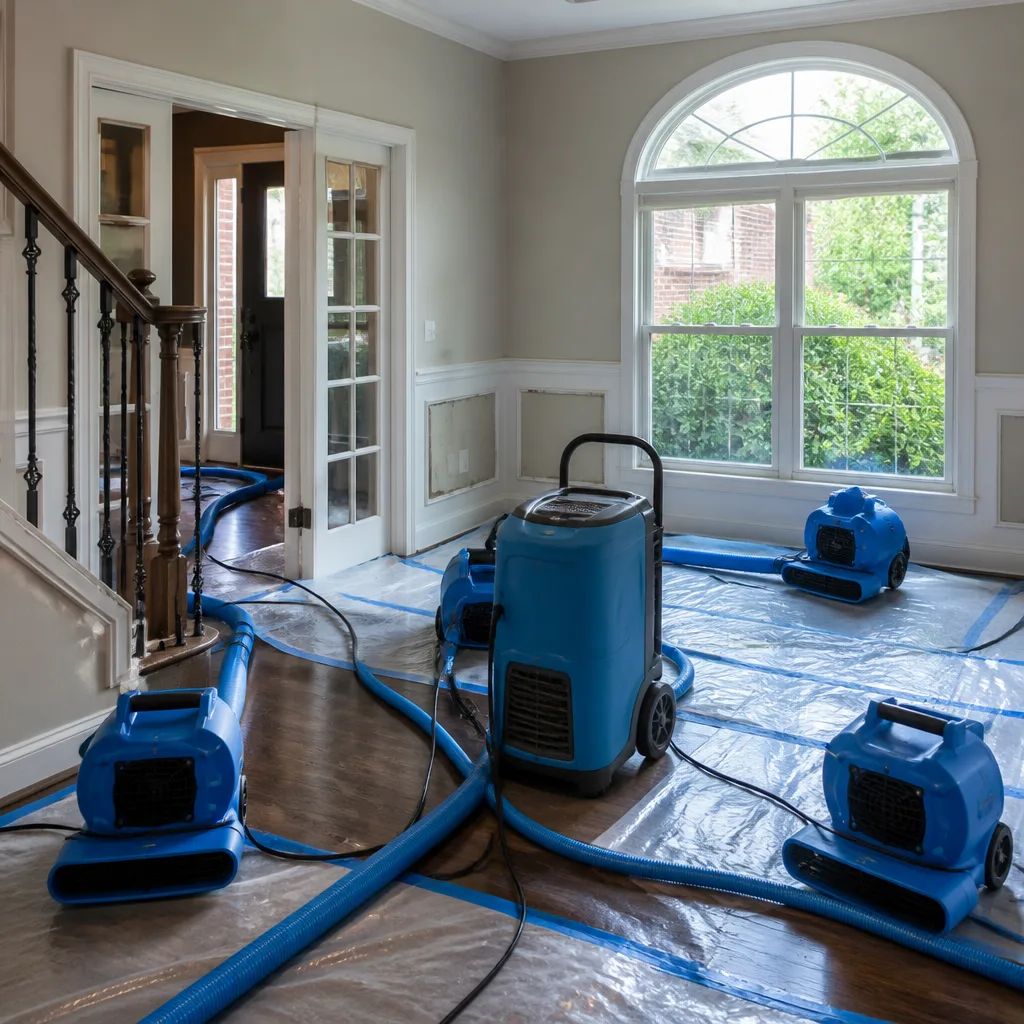

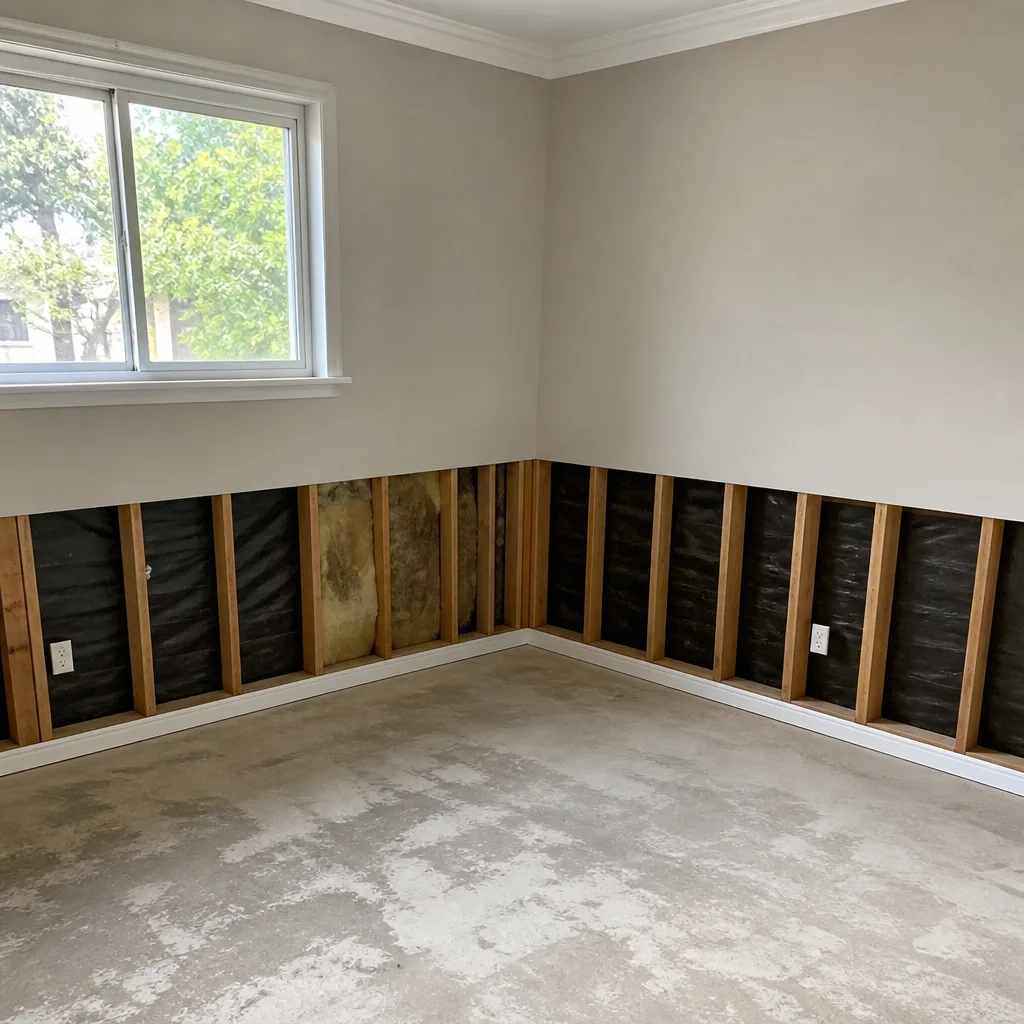

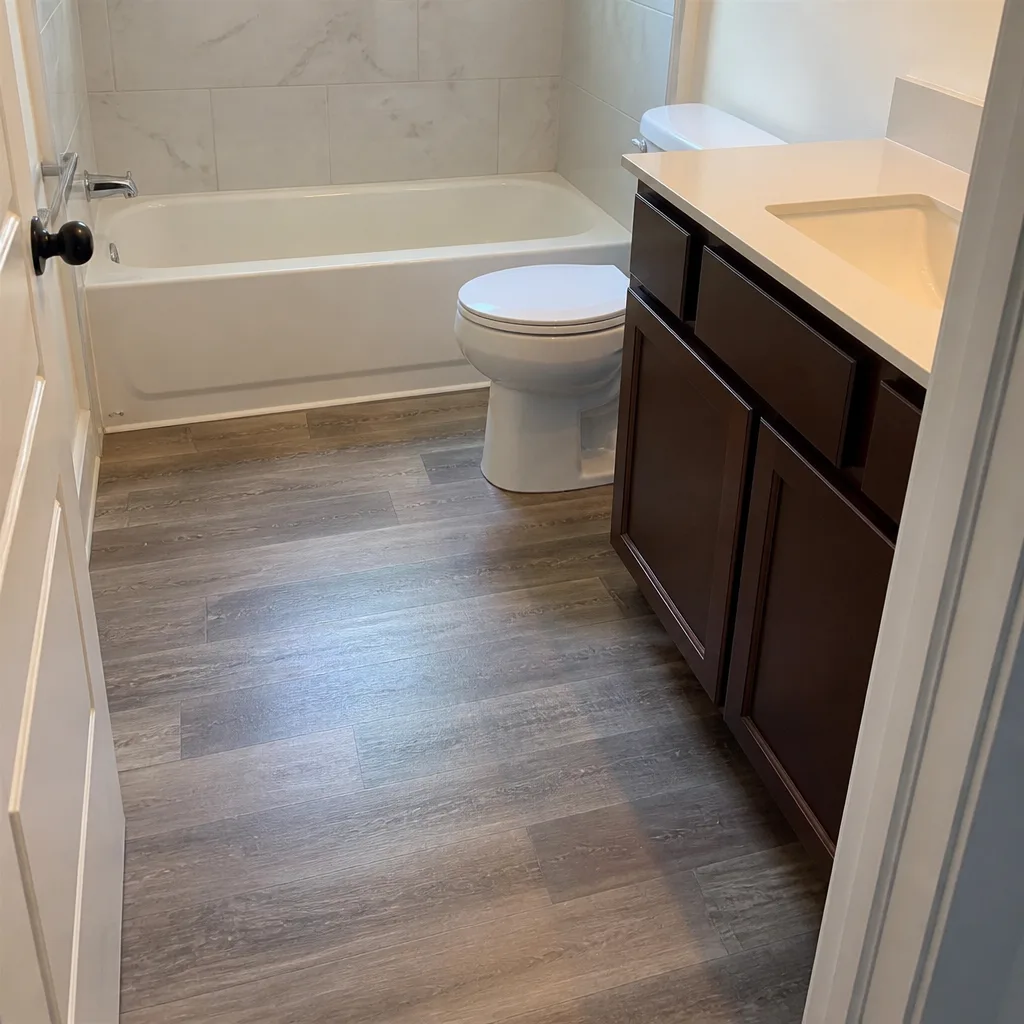

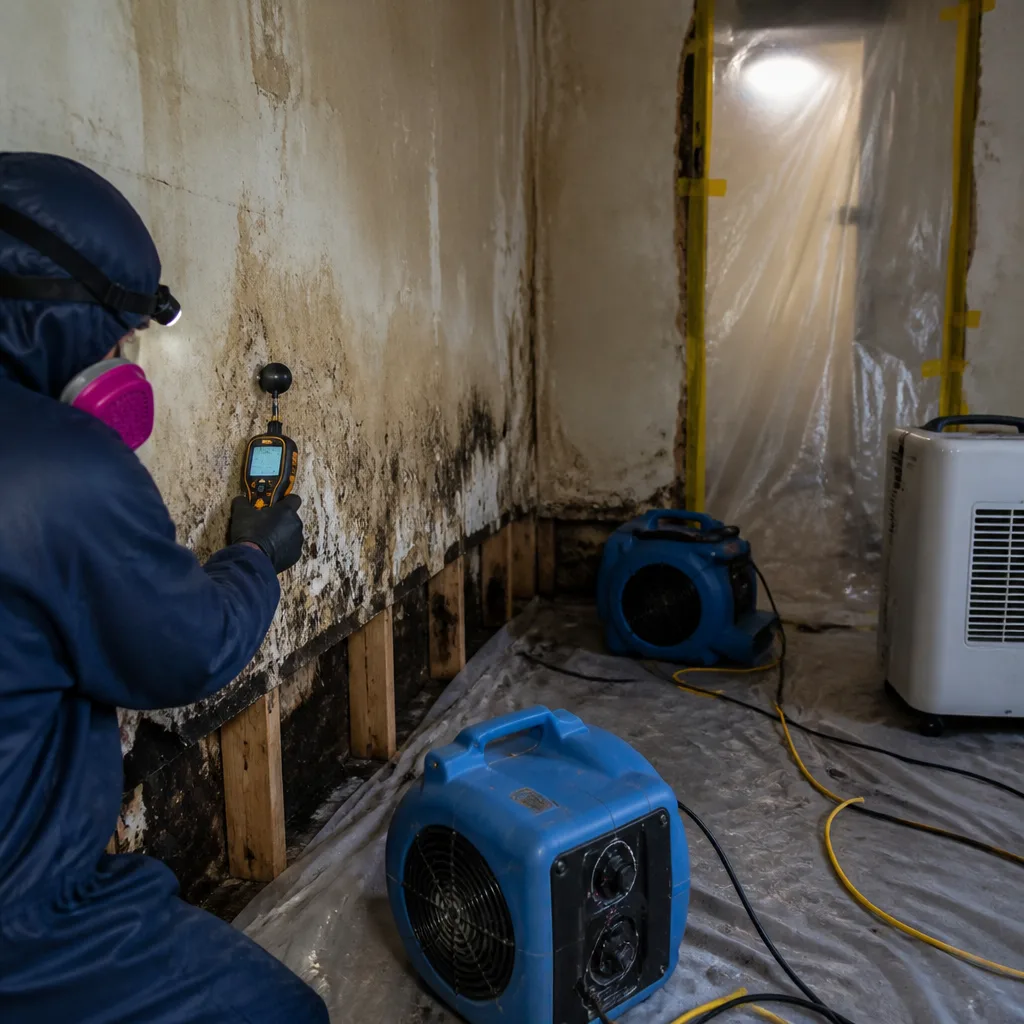 Before
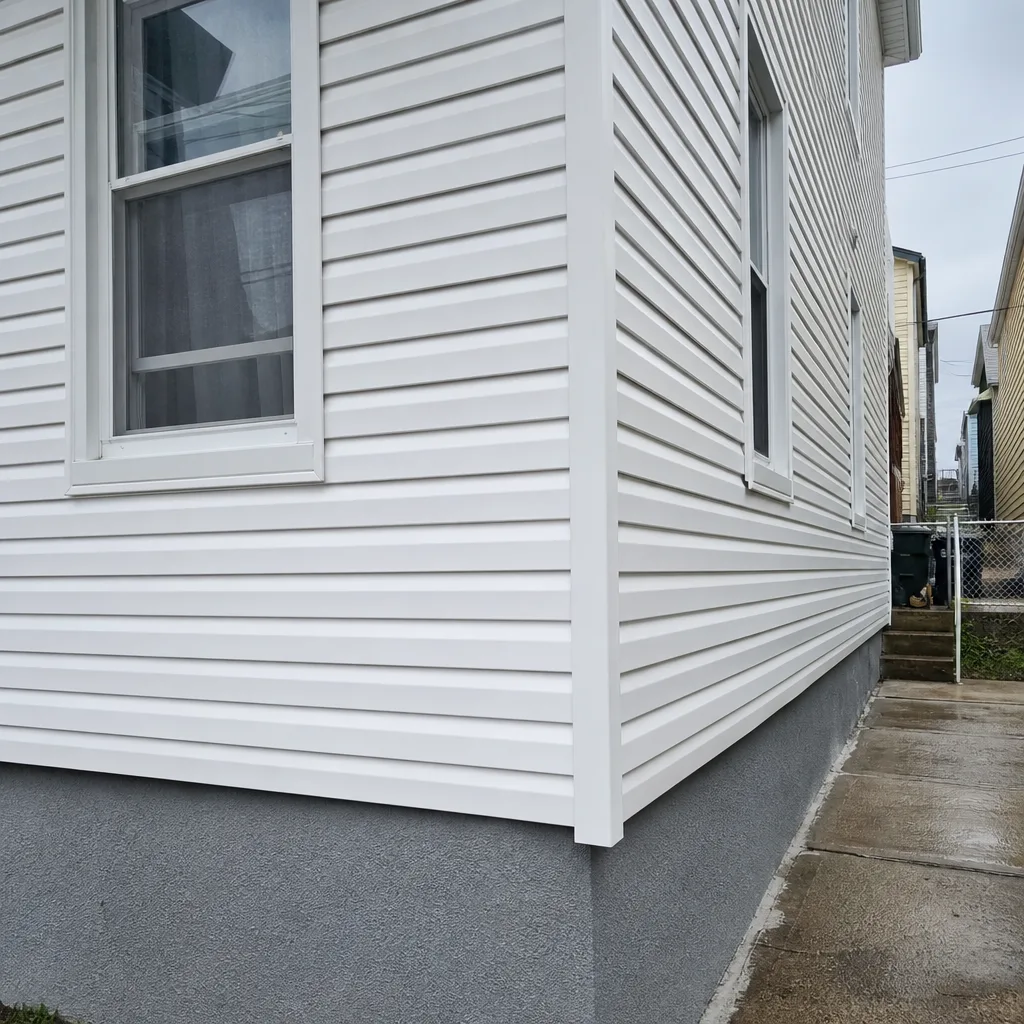 After
After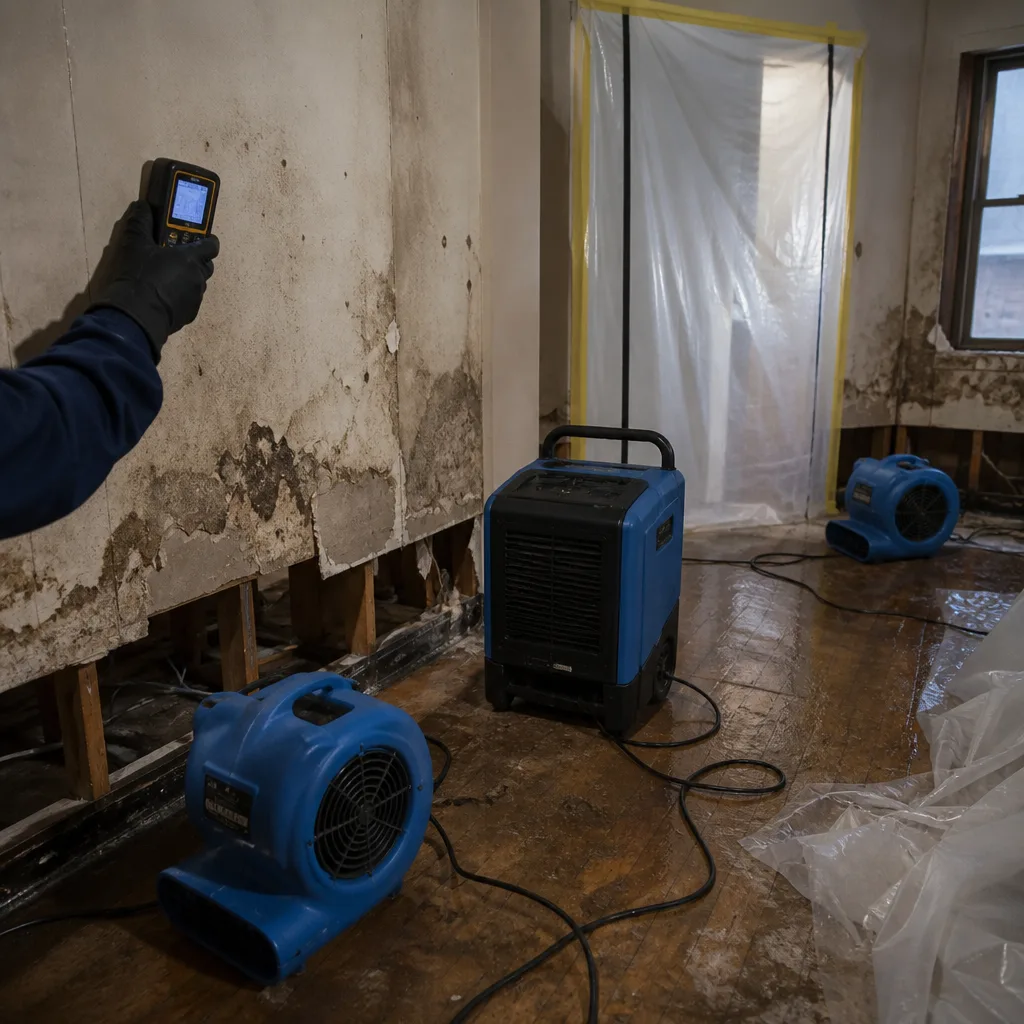 Before
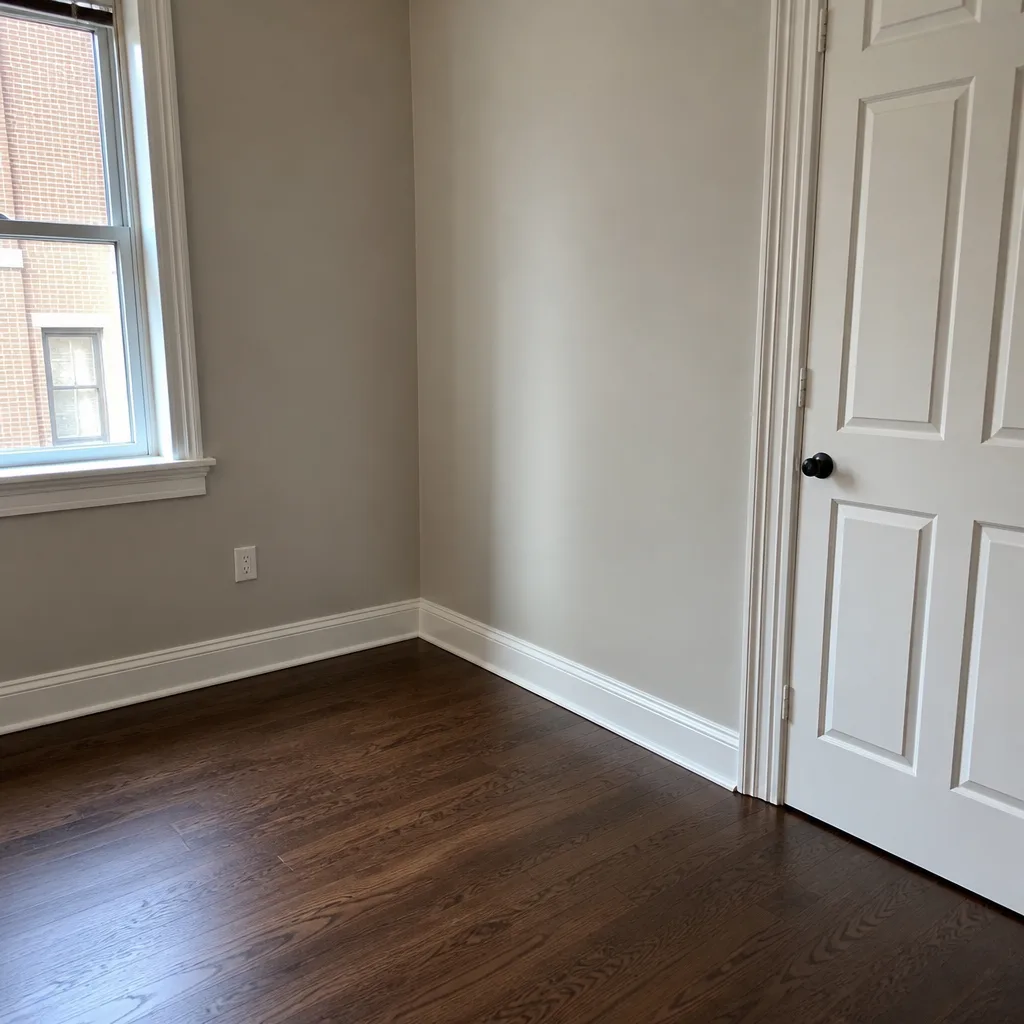 After
After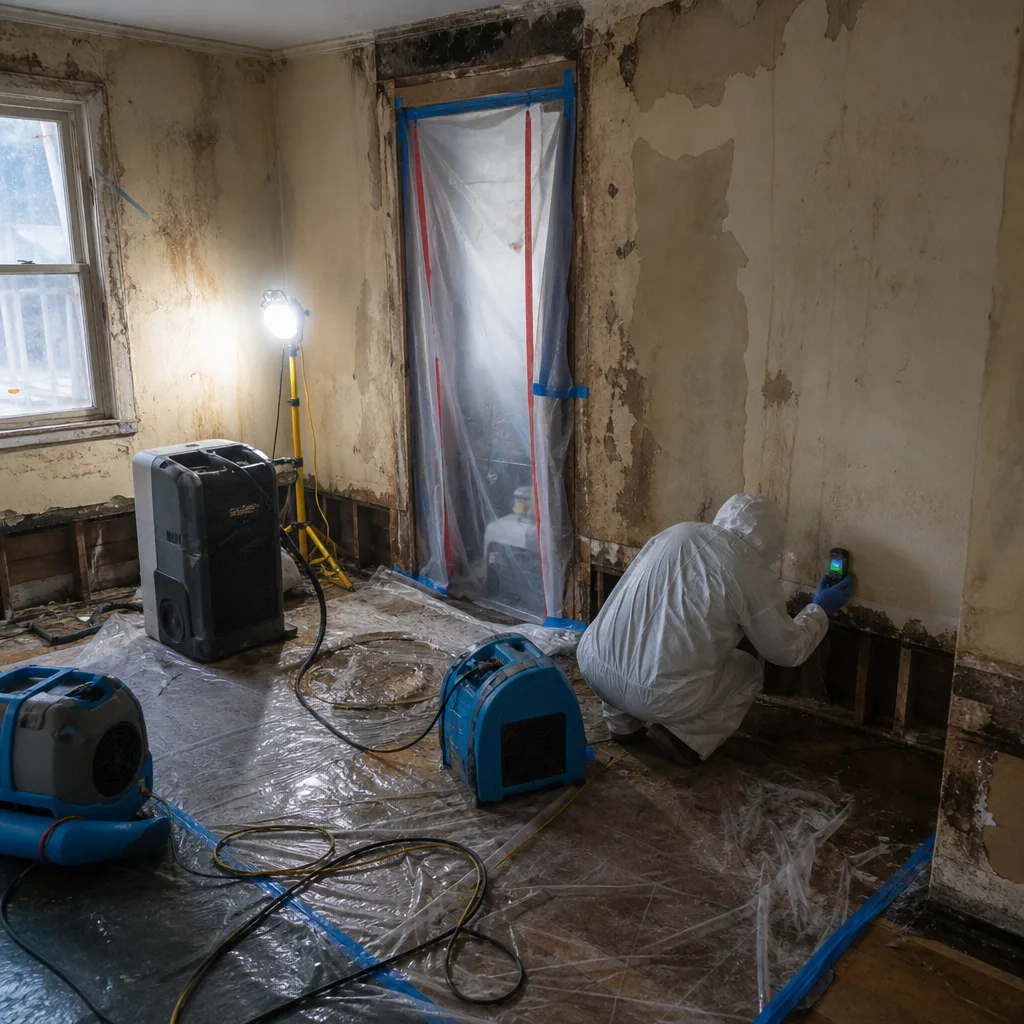 Before
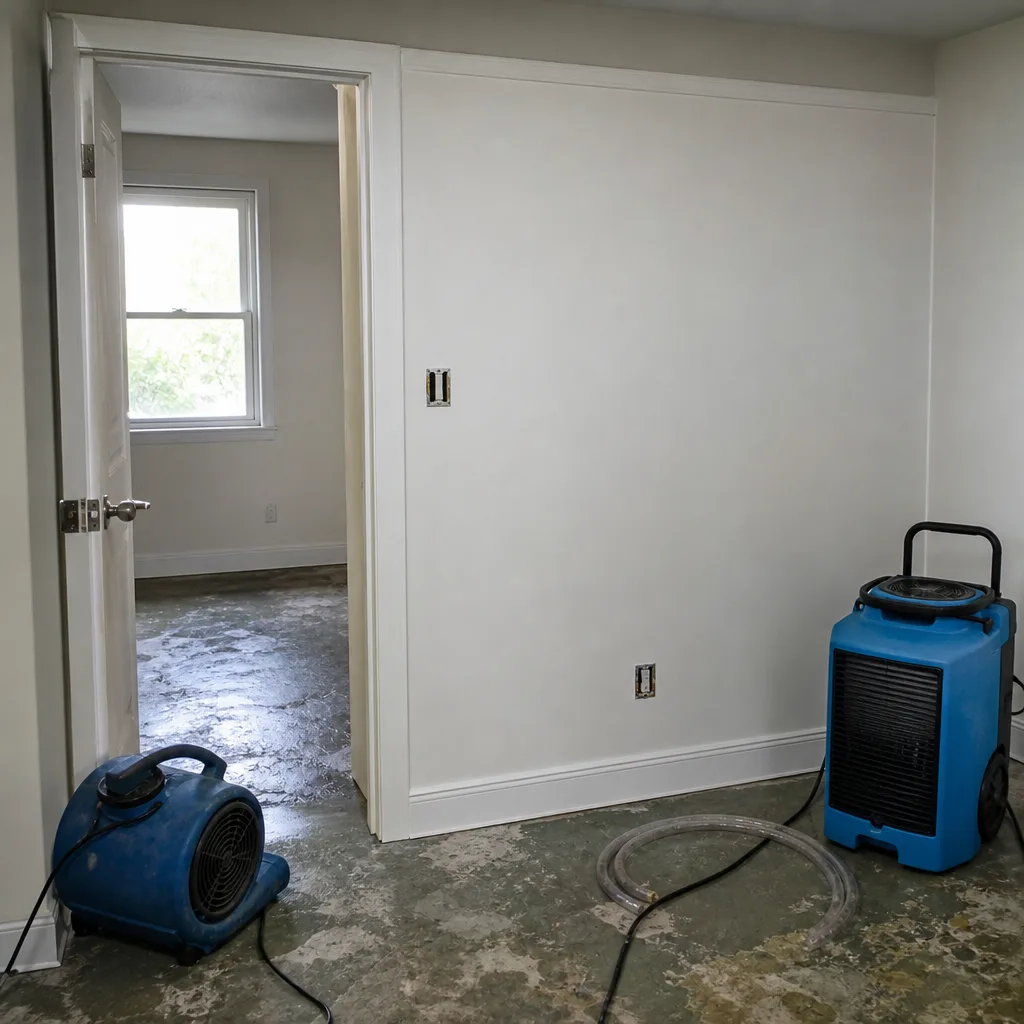 After
AfterDamage Restoration Warning Signs: A East Bronx Homeowner’s Reference Guide
Most East Bronx homeowners don’t discover water damage the day it happens. They discover it weeks or months later, when a musty smell settles into a hallway or a ceiling stain spreads across the living room plaster. By then, the original leak has been doing quiet work behind the wall, and the repair bill has grown with every passing week. This guide walks you through the warning signs that matter: the ones that tell you whether you’re looking at a small fix, a serious restoration job, or something that needs a crew on-site tonight. We’ve spent fifteen years tracing these problems back to their source in homes across East Bronx, and the patterns are consistent.
Quick Answer
Water, fire, and mold damage in East Bronx homes shows up in predictable ways: discolored ceilings and walls, persistent musty odors, warped or buckling floors, peeling paint that won’t stay fixed, rust on metal fixtures, spiking water bills, and a sudden appearance of mold or mildew. Any one of these is worth investigating within 24 to 48 hours. Several at once means you’re likely past the point of a simple repair and into full restoration territory. Call a professional the same day you notice a ceiling stain growing or a smell you can’t place.
Key Takeaways:
- Water damage announces itself through stains, smells, and texture changes before it becomes structural failure.
- A toilet that rocks, a floor that bounces, or baseboards pulling away from the wall are all structural red flags.
- Mold needs three things to grow in East Bronx: moisture, darkness, and a food source like drywall or old wood.
- Fire and smoke damage leaves residue that keeps off-gassing long after the flames are out.
- Sewage backups and category 3 water require professional-grade equipment and should never be handled as a DIY cleanup.
- Early detection turns a $500 drying job into a $5,000 rebuild job if ignored. The clock starts the moment water touches drywall.
Table of Contents
- Water Damage Warning Signs
- Mold and Mildew Indicators
- Structural Warning Signs
- Fire and Smoke Damage Signals
- Sewage and Biohazard Warning Signs
- Detecting Hidden Damage in East Bronx Homes
- Common Mistakes to Avoid
- When to Call a Professional
- Frequently Asked Questions
- The Bottom Line
Water Damage Warning Signs
Water damage in East Bronx homes follows a pattern: it starts at the roof, the plumbing, or the foundation, then travels down and inward. The warning signs depend on where the water is coming from and how long it’s been moving. A fresh leak from a supply line looks different from a slow seep that’s been running inside a wall cavity for eight months. Learn to distinguish the two, because the response window changes completely.
In East Bronx specifically, we see water damage from a few recurring sources. Older brick and frame houses throughout neighborhoods like Pelham Bay, Country Club, and Throggs Neck have cast-iron drain lines that were installed decades ago and are now rusting through from the inside. Flat roofs on post-war rowhouses hold snow and rain longer than pitched roofs, and when the membrane fails, water gets into the ceiling cavity and travels sideways before it ever stains the drywall below. Window wells and basement stairwells fill during heavy storms, and exterior waterproofing from the 1960s and 70s simply wasn’t built for the volume of water East Bronx gets in a bad season.
The signs to watch for:
- Ceiling stains that darken or expand over 48-72 hours - this is active water, not an old blemish.
- Paint bubbling or blistering on walls and ceilings - trapped water vapor pushing against the paint film.
- Drywall that feels soft, spongy, or cool to the touch - even if it hasn’t discolored yet.
- Water rings or tide marks on baseboards, especially near radiators, bathrooms, or exterior walls.
- A rising water bill with no obvious explanation - a slab leak or a pinhole in a supply line will run quietly for months before it shows up as a stain.
- Window condensation that never clears - this often signals high indoor humidity from a hidden leak, not just cold weather.
A single small stain that stays the same size for two weeks is likely a one-time event: a spilled cup, an overflowing bathtub, a roof leak that sealed itself temporarily. A stain that grows, darkens, or is joined by others means continuous water movement. In our experience across East Bronx, the homeowners who catch ceiling stains in the first three days usually need drying and a small patch repair. The ones who wait until the plaster sags are looking at a cut-out, structural inspection, and full rebuild of the affected area.
One note for homes with steam heat: East Bronx has thousands of one-pipe steam systems, and they can produce water damage that looks like a plumbing leak but isn’t. A stuck radiator vent will spit water onto the floor, and a faulty main vent can leave pools near the boiler. If you see water near a radiator, check the vent first before assuming a pipe burst. That said, if the water is warm and continuous, shut the supply valve and call for service immediately. A hot water leak will keep causing damage until someone stops the source.
Mold and Mildew Indicators
Mold in an East Bronx home is a moisture problem wearing a different coat. The mold itself is a symptom, not the disease. Every mold colony started with water: a roof leak, a foundation seep, a bathroom fan that vents into the attic instead of outside, or a basement with chronically high humidity. Treating the mold without fixing the moisture is like mopping up a bathtub while the faucet still runs. You’ll be back in six months.
Mold needs three things to grow: moisture, organic material to feed on, and darkness. East Bronx basements provide all three. Foundation walls built without modern waterproofing stay damp after storms. Old wood framing, paper-faced drywall, and even cardboard boxes stored on basement floors give mold plenty to eat. And basements are dark most of the time. If your basement has a musty smell, mold is already there, even if you can’t see it yet. The smell comes from microbial volatile organic compounds that mold releases as it grows. You’re smelling active biology.
Signs that indicate mold growth:
- A musty or earthy odor that gets stronger in certain rooms, basements, or after rain. This is the earliest and most reliable indicator.
- Visible discoloration on walls, ceilings, or baseboards - black, green, gray, white, or even pink patches. Mold doesn’t always present as black spots.
- Peeling or bubbling paint that returns after repainting - moisture behind the paint film feeds the mold colony.
- Warped or stained wood around windows, door frames, or baseboards.
- Allergy-like symptoms that worsen at home and improve when you leave - sneezing, coughing, itchy eyes, or headaches concentrated in one part of the house.
- A history of water damage in that area - if a pipe burst last winter and the drywall was never fully replaced, assume mold is in the wall cavity.
In East Bronx, we also see a specific seasonal pattern. After heavy rain seasons, basements that have never flooded before will suddenly develop mold blooms. What changed isn’t the mold; it’s the water table. The soil around the foundation stays saturated longer, and hydrostatic pressure pushes moisture through floor cracks and cove joints. The mold was always waiting. The water just finally showed up.
For mold on non-porous surfaces like tile or metal, a cleaning with the right antimicrobial product can resolve the issue if the moisture source is eliminated. For porous materials like drywall, ceiling tiles, and carpet padding, mold penetrates the material itself. These usually need removal and replacement, not cleaning. That’s the difference between a mold cleanup and a mold remediation job. If you’re not sure which one you’re dealing with, get a professional assessment before scrubbing.
Structural Warning Signs
Water doesn’t just stain; it loads. Drywall absorbs water, expands, loses its structural integrity, and eventually crumbles. Wood framing swells, warps, and then rots as fungi move in. Fasteners rust and loosen. Floor joists deflect under weight they used to hold easily. In East Bronx homes, where many structures are sixty to a hundred years old, that margin for error was already thinner than in newer construction. A little water goes a long way against old wood.
If water has been present long enough to affect the structure, you’ll usually see or feel it in the following ways:
- Floors that bounce, sag, or feel spongy underfoot - especially in areas above basements or crawl spaces.
- Baseboards pulling away from the wall - the wall behind them has expanded or the framing has shifted.
- Doors and windows that suddenly stick or won’t latch - framing has swelled or settled.
- Cracks in plaster or drywall that follow a stair-step pattern or run diagonally from corners - not the hairline shrinkage cracks every old house gets, but wider gaps that keep growing.
- Wall surfaces that feel cold or damp in one specific area - the insulation in that cavity is wet and not drying.
- A toilet that rocks or moves when you sit on it - the subfloor underneath may be softened by a slow leak around the flange.
In East Bronx, one structural issue we see regularly is rot at the sill plate, the piece of wood that sits on top of the foundation wall. When basement walls stay wet, that sill plate soaks up moisture and begins to decay. The floor joists resting on it settle. You’ll notice a visible slope in the first floor, a gap opening between the baseboard and the floor, or doors upstairs that don’t close right. By the time these symptoms appear, the repair is substantial. Early detection starts with checking the sill plate area during any basement inspection, especially after heavy rain.
Another East Bronx-specific concern is brick pointing. Older brick homes from the early 20th century rely on mortar joints to shed water. When those joints fail, water penetrates the brick and soaks the interior framing. Repointing the exterior brick is a masonry job; drying out the interior framing afterward is a restoration job. They go together. If you see white powdery residue on interior walls behind exterior brick (efflorescence), that’s mineral salts left behind by water moving through the wall. It means water is making the trip. The mortar needs attention before the interior framing suffers worse damage.
Fire and Smoke Damage Signals
Fire damage is the most obvious warning sign, because the fire itself is unmissable. What homeowners underestimate is the smoke damage that follows, even from small fires that are extinguished quickly. Smoke is not passive. It’s a cloud of microscopic particles that embed themselves in drywall, carpet fibers, furniture fabric, and insulation. Those particles continue to off-gas odors and chemicals for months after the fire is out.
A kitchen grease fire that is smothered in thirty seconds still sends smoke and soot throughout the house. A candle that tips over and burns a hole in a rug still fills the room with particulates. An electrical short that scorches an outlet plate still leaves residue inside the wall cavity. The warning signs of residual smoke damage include:
- A persistent smoky or acrid odor that returns even after cleaning and airing out - the smoke particles are still embedded in porous materials.
- Yellowing or browning stains on walls, ceilings, and curtains - soot residue settling onto surfaces.
- Black soot marks around outlet covers, light switches, and ceiling fixtures - smoke traveled through the electrical chase and deposited particulates at the openings.
- Greasy film on kitchen surfaces that keeps coming back - animal fat and oil vapor from cooking fires coats everything.
- Corrosion or tarnishing on metal fixtures, plumbing, or electronics - smoke acids react with metals over time.
- Someone in the household developing chronic cough, headaches, or eye irritation - particularly if they already have asthma or other respiratory conditions.
- Multiple drains backing up at the same time - if the basement sink gurgles when you flush the upstairs toilet, your sewer line is restricted and pressure is pushing back through the lowest drains.
- Sewage odor in the basement, laundry room, or near floor drains - sewer gas is the first indicator that the trap water has evaporated or the line is compromised.
- Dark water coming up in the tub or shower, especially after running laundry or the dishwasher - this is not a venting issue. This is backflow.
- Puddling around a basement floor drain after rain - stormwater infiltration is overloading the sanitary line.
- Visible mold growth with a slick or slimy texture - this typically indicates that the moisture source is something other than clean water leakage.
- Walk the house after every heavy rain. Check the basement perimeter, the ceiling below the roof, and the walls around windows. In East Bronx, storm-driven rain comes from the northeast off the Sound, and it hits the side of the house that faces the water harder. That side will show damage first.
- Monitor your water bill month to month. A sudden increase with no change in usage means a leak somewhere. In a house with a running toilet, the spike is gradual. With a broken supply line, it’s immediate.
- Use your hands. Feel walls and floors for cool spots, dampness, or softness. Your hand can detect moisture through a thin layer of paint long before your eye sees a stain.
- Check the areas nobody looks at. Behind the water heater, under the kitchen sink, around the washing machine connections, inside the closet under the stairs. These are the spaces where leaks go unnoticed for the longest time.
- Have a professional run a moisture mapping assessment. Using equipment like Dri-Eaz moisture meters and thermal imaging, a trained technician can identify moisture inside wall cavities, under floors, and behind tile without opening anything up. This is the difference between guessing and knowing.
- Waiting to see if a stain dries on its own. A drywall stain doesn’t mean the leak stopped. It means the visible surface dried out while the cavity behind it stayed wet. The longer you wait, the more the damage spreads through the framing and insulation. In East Bronx, where summer humidity is high, a wall cavity can stay wet for months without intervention.
- Painting over a water stain without checking what’s behind it. Paint covers the symptom, not the source. The stain will bleed through in a few months, and by then the mold and rot behind it have grown worse. A proper repair starts with finding and stopping the water.
- Using bleach on mold. Bleach kills surface mold but doesn’t penetrate porous materials, and it adds water to the environment, which mold needs to grow. Professional mold remediation uses equipment and methods that actually address the colony, not just the stain.
- Attempting to dry out a flooded basement with household fans. Household fans and a dehumidifier from the hardware store are not enough for category 2 or 3 water. Water that has touched the floor, the walls, and the air needs professional-grade drying equipment with daily moisture readings to bring the structure back to the dry standard. Half-dried drywall is worse than wet drywall, because it’s already started to grow what can’t be seen.
- Assuming your insurance won’t cover the damage without checking. Many East Bronx homeowners skip filing a claim because they assume it’s not covered, then pay out of pocket for thousands in repairs. Let an experienced restoration company work with your adjuster. Direct insurance billing means you’re not the messenger. Flood water and sewage backups may be covered under different parts of your policy, and a professional can help you document the damage properly from day one.
- Calling the cheapest contractor without verifying credentials. Restoration work done wrong is more expensive than restoration work done right. A bad drying job will leave hidden moisture that causes mold months later, and that work will need to be redone completely. Background-checked, uniformed technicians certified to IICRC, RIA, and IFA standards are the floor, not a luxury. The cheapest bid in East Bronx is often the one that walks away before the job is actually done.
- Not documenting the damage immediately. Photos, videos, and a written timeline of when you first noticed the issue matter. They matter for insurance claims. They matter if there’s ever a dispute. They matter for your own record-keeping. Before you move anything, take photos from multiple angles. That first visual record is irreplaceable.
In East Bronx homes, smoke damage is often complicated by building type. In attached rowhouses and multi-family buildings, smoke travels through shared wall cavities, floor joists, and pipe chases. A fire in one unit can leave smoke residue in the unit next door, even if the flames never crossed the firewall. If your neighbor had a fire, and you notice a new smoky smell in your own apartment, the smoke traveled. Document it, notify your landlord or insurance carrier, and get a professional assessment of the air quality and the surfaces in your unit.
Small fires also create hidden structural concerns. The fire department uses water to put out fires, and that water soaks into the surrounding framing and drywall. A minor fire can also produce major water damage. The combination of soot and moisture is particularly difficult for a homeowner to remediate without professional equipment. The soot is acidic; the moisture spreads it; the two together will etch surfaces and corrode metals faster than either would alone.
Sewage and Biohazard Warning Signs
Sewage and biohazard contamination is the most dangerous category of residential damage, and it presents in ways that are easy to dismiss. A slow drain in a basement floor. A gurgle from the toilet when the washing machine runs. A dark ring around a floor drain. These are not plumbing quirks. They are indicators that the sanitary line is backing up, and when it finally clears, it will leave behind water that carries pathogens: bacteria, viruses, parasites, and fungi. This is what restoration professionals call category 3 water, and it should be treated as a serious health hazard.
Warning signs of sewage or biohazard issues:
In East Bronx, sewage backups are more common in older neighborhoods where the municipal sewer lines are aging and the connection from the house to the street (the lateral) may be clay pipe from the 1950s. Tree roots penetrate those old joints. The lines crack and shift. When a storm hits and the municipal system is overwhelmed, the water has to go somewhere, and the lowest drain in the house is the release valve. If you live in Throggs Neck, Country Club, or any neighborhood with mature street trees and older housing stock, a root intrusion in your lateral is a matter of when, not if.
If you have a sewage backup, do not attempt to clean it yourself with household products. The contamination cannot be made safe with bleach and a mop. The area needs to be contained, the contaminated water extracted with professional-grade equipment, the surfaces treated with appropriate antimicrobials, and the affected porous materials removed. This is work for a trained professional with proper protective gear. The health risks are too high to cut corners, and those risks remain long after the visible water is gone.
Detecting Hidden Damage in East Bronx Homes
The worst damage is the damage you can’t see. A pipe leaking inside a wall cavity. A roof leak running down through a chase and soaking insulation. A foundation crack letting in groundwater behind a finished basement wall. None of these show up as a stain until they’ve been active for weeks or months. But they do leave clues, and an East Bronx homeowner who knows what to look for can catch them early.
Detection methods, in order of what you can do yourself to what requires professional equipment:
In East Bronx, hidden damage has a seasonal rhythm. Winter freeze-thaw cycles open small cracks in exterior masonry and roofing materials. Spring rains then push water through those openings. Summer humidity holds moisture in wall cavities, slowing down the natural drying process. Fall is when homeowners finally notice the smell or the stain, often six to nine months after the water first got in. The damage had all summer to build. If you run your air conditioner heavily and then get a musty smell in one room when the weather cools, suspect hidden moisture behind the wall. The humidity drop exposes the smell that the summer heat was masking.
One more East Bronx-specific tip: if you have radiant heat in your floors, a sudden cold spot in a room often indicates moisture in the subfloor, which conducts heat differently than dry wood. Cold spot plus a slight springy feel underfoot equals a leak under the slab or in the joist bay. Get it checked before the floor starts to fail.
Common Mistakes to Avoid
When to Call a Professional
Some problems resolve with a towel and a dehumidifier. A water stain from a known one-time spill, a single dark spot on a windowsill you’ve been monitoring for a year with no change, a small patch of mildew on a shower tile that cleans up with regular bathroom cleaner. These are maintenance issues, not restoration projects. But there are clear lines where amateur response stops being appropriate and professional intervention becomes necessary. Water that has been running for more than 48 hours, water that has touched drywall and soaked into it, any water from a sewage line or exterior flood source, any mold patch larger than a dinner plate, any persistent odor you can’t locate, any visible structural movement. These need a professional assessment. The equipment matters: professional-grade Dri-Eaz and Phoenix dehumidifiers pull water out of materials that household units simply can’t reach. A moisture map on day one, with daily readings until the dry standard is met, is the difference between done and done right. Floodline Restoration Co. offers free estimates in East Bronx. Call (607) 602-2791 and a live person will answer, day or night.
Frequently Asked Questions
If you call a restoration company with live 24/7 dispatch, a certified crew can typically be on-site within hours in East Bronx, and extraction equipment is running during that first visit. The speed matters because water damage compounds: the first 48 hours determine whether you’re drying or rebuilding. Floodline Restoration Co. answers the phone with a live dispatcher at 2 a.m., and extraction starts the same visit. Call (607) 602-2791.
Most homeowners policies cover sudden and accidental water damage, fire damage, and often mold remediation if it results from a covered water event; coverage differs for floods, sewage backups, and long-term seepage, which may require separate endorsements. The best move is to document the damage immediately and work with a restoration company that handles direct insurance billing and coordinates with your adjuster, so you never have to play messenger. For specifics on your policy, call your carrier, then call (607) 602-2791 to get the ball rolling.
If the mold covers more than about ten square feet, extends into porous materials like drywall or carpet, or keeps returning after cleaning, you need remediation, not cleanup, because the colony has established itself inside the material itself. A professional can test, contain, remove, and dry the area to the standard that prevents recurrence. For a quote in East Bronx, call (607) 602-2791.
Older cast-iron sewer laterals with tree root intrusion, flat roofs on post-war rowhouses, failed brick pointing on early-20th-century homes, and basement foundation seepage due to high water tables after heavy rain are the recurring patterns we see across neighborhoods like Throggs Neck, Pelham Bay, and Country Club. These are aging-infrastructure problems, not bad-luck problems. A seasonal inspection can catch them before they become emergencies.
Costs in the East Bronx market typically fall in the $1,500 to $6,500 range for standard water extraction and drying of a single room, with more extensive jobs involving reconstruction running significantly higher; every job starts with a written scope and a clear price before any work begins. The variables are the size of the affected area, the category of water, and how long it’s been sitting. Call (607) 602-2791 for a free estimate with a detailed breakdown.
If the work isn’t done right, we make it right, period. If a problem related to our restoration work shows up within 90 days of completion, we return and fix it at no charge: no arguing, no paperwork battles, no fine print. It’s the Keystone Standard, given in writing and backed by our K.E.Y.S. values code: Krafted right, Every time, Your home first, Standing behind it. Call (607) 602-2791 and we’ll walk you through it.
The Bottom Line
Damage restoration in East Bronx is a race against two clocks: the biological clock of mold growth and the structural clock of wood rot. Both clocks speed up when water sits, when humidity stays high, and when the source of the moisture isn’t found and stopped. The warning signs are consistent: stains that grow, smells that linger, floors that move, paint that won’t stay put. When you see them, act. Document the damage, stop the source if you safely can, and call a professional who can bring the right equipment, the right training, and a written guarantee. The line the water left is where a good restoration company starts. Done right, and backed in writing.
Written by Curt Bowman, Owner at Floodline Restoration Co., serving East Bronx since 2010.