
Last updated August 25, 2026
Free visual inspection and a written scope of work before any mitigation begins - photos, moisture readings, and drying logs go in your claim file
The scope we write is the scope we bill. Anything new gets shown to you, in writing, before we touch it.



 Before
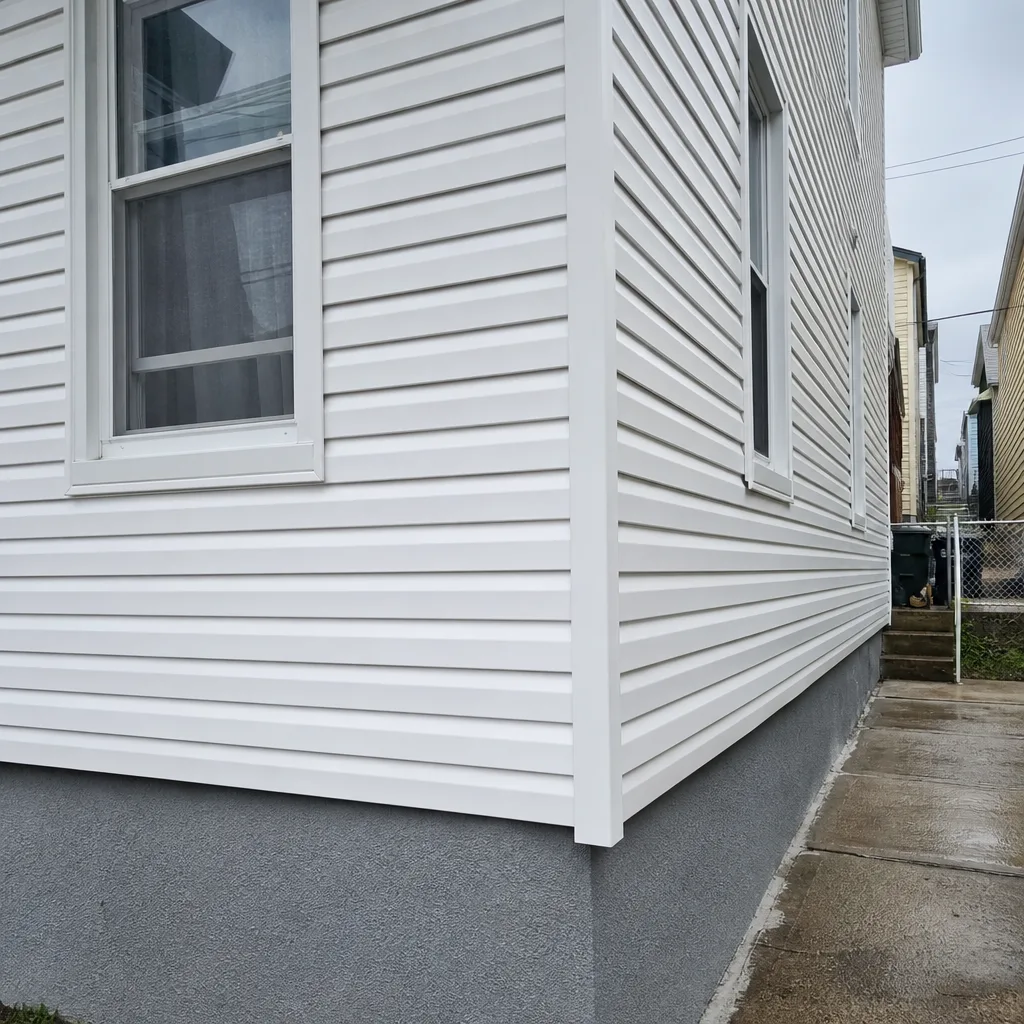 After
After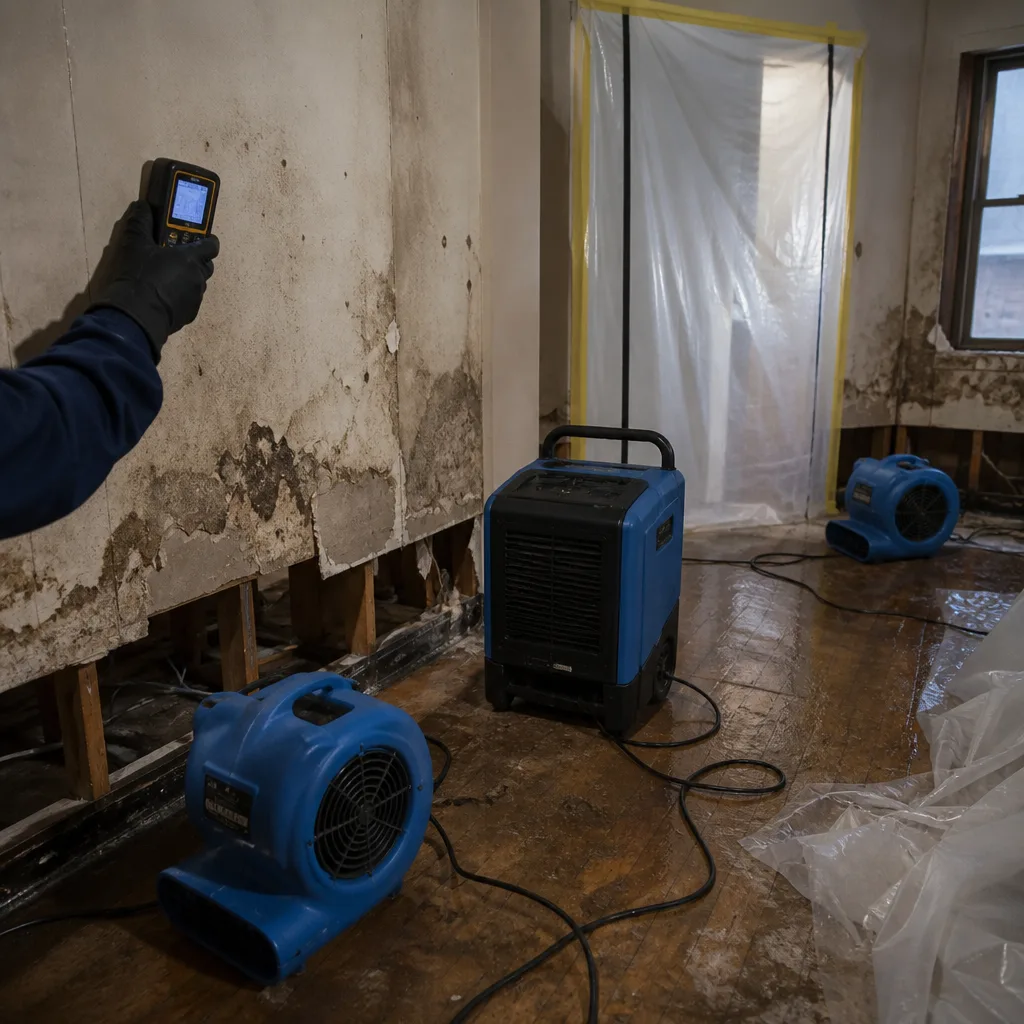 Before
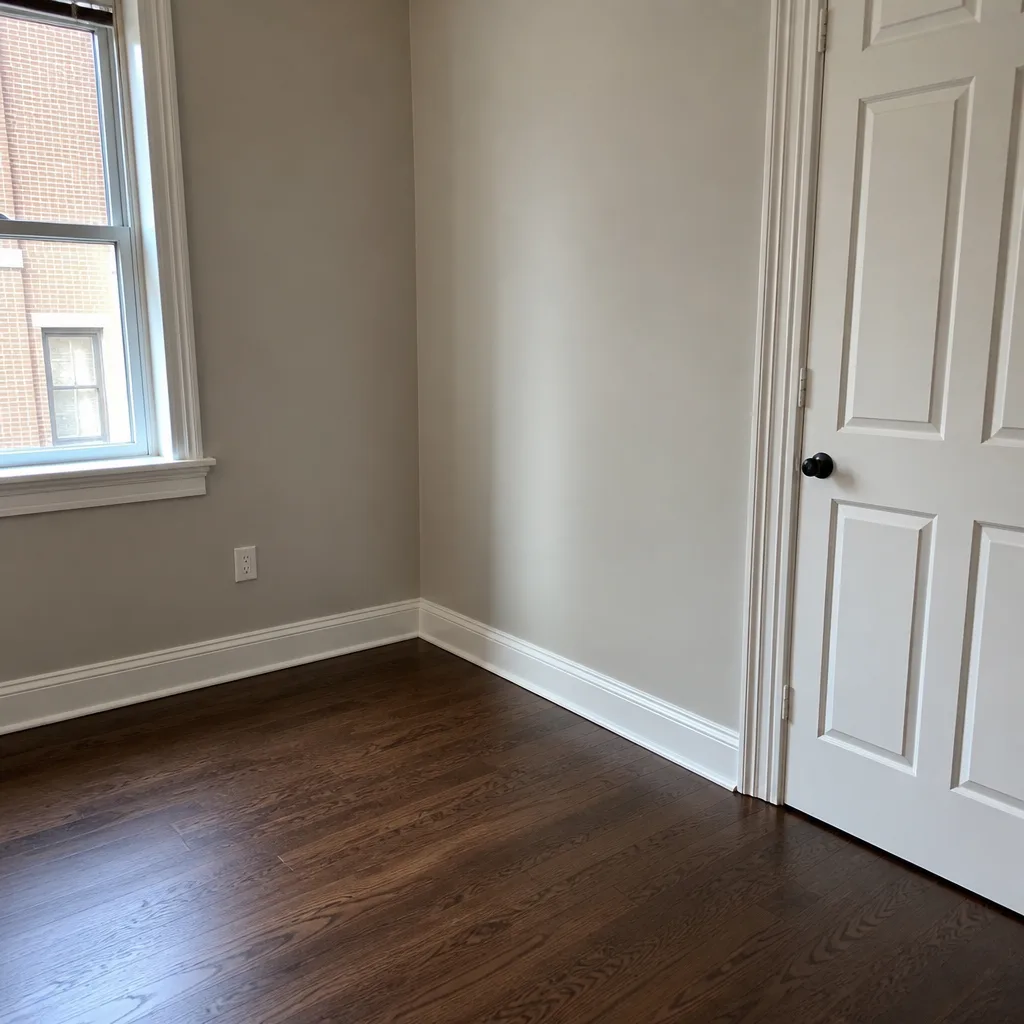 After
After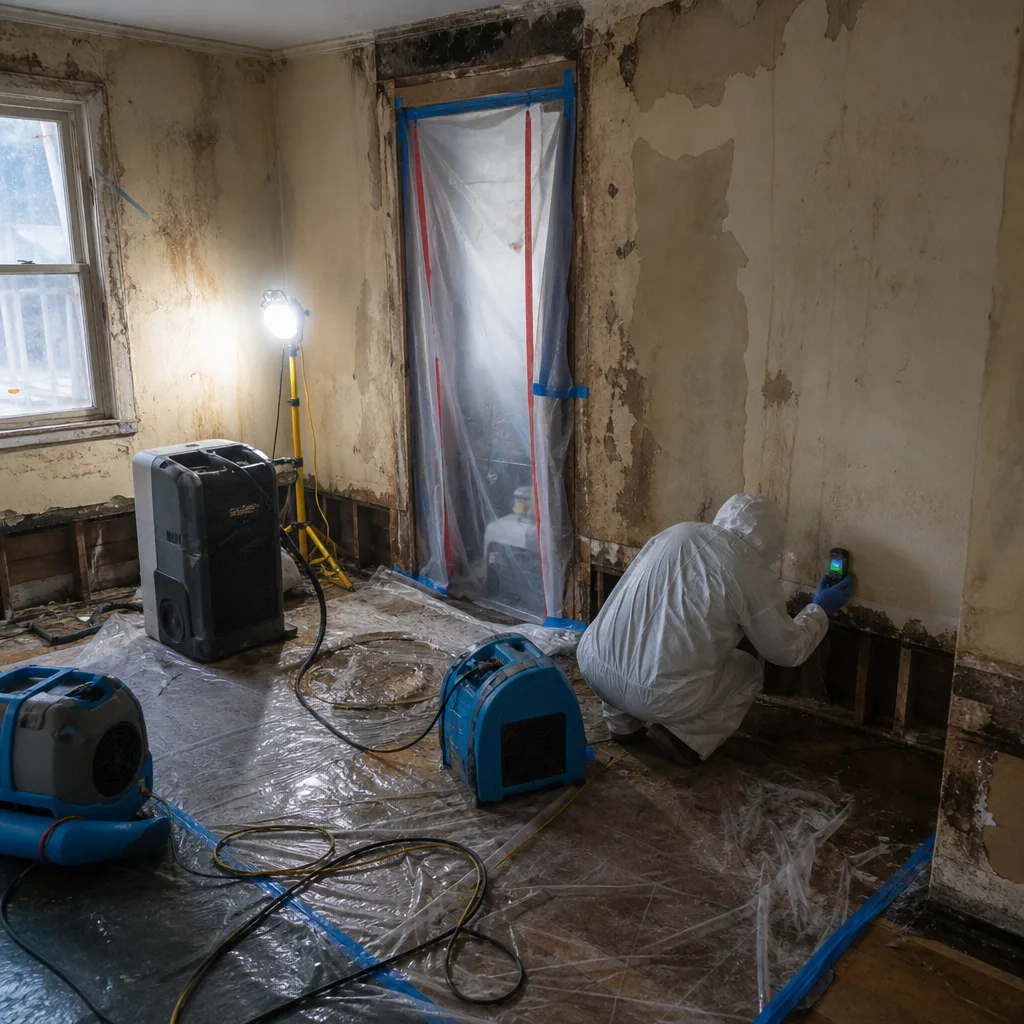 Before
 After
AfterSeasonal Damage Restoration Care for East Bronx: Year-Round Homeowner’s Guide
Most East Bronx homeowners don’t think about water damage until the water is already where it shouldn’t be. But the truth is, seasonal damage doesn’t announce itself with a dramatic arrival. It builds quietly: a weeping foundation joint during March rains, a slow refrigerator line leak that saturates drywall over weeks, a clogged gutter spilling into the soffit every December. By the time you see the stain on the ceiling, the damage has usually been progressing for weeks or months. This guide covers what East Bronx homeowners need to know through all four seasons, from the freeze-thaw cycles that punish brick and concrete to the August humidity that feeds mold inside wall cavities. You’ll learn what to watch for, what to do when trouble appears, and when to stop and call someone.
Quick Answer
Seasonal damage restoration care in East Bronx means addressing water, humidity, and weather-related deterioration before it spreads. Most homeowners need to focus on four seasonal risks: winter pipe freezes and ice dams, spring basement seepage and sump failures, summer humidity-driven mold growth, and fall gutter and drainage prep. The core rule in every season is the same: respond to any water intrusion within 48 hours, because mold begins growing after that window and restoration costs climb fast.
Table of Contents
- Winter: Pipe Freezes, Ice Dams, and Hidden Leaks
- Spring: Basement Seepage, Sump Pumps, and the Thaw
- Summer: Humidity, Mold, and Air Conditioner Condensate
- Fall: Gutters, Grading, and Pre-Winter Preparation
- Moisture Mapping: What It Is and When You Need It
- Working With Your Insurance Carrier
- Common Mistakes to Avoid
- When to Call a Professional
- Frequently Asked Questions
Winter: Pipe Freezes, Ice Dams, and Hidden Leaks
East Bronx winters hit older housing stock hard. Many homes in neighborhoods like Pelham Bay, Throgs Neck, and Country Club were built before 1960, and their original plumbing runs through unheated exterior walls or uninsulated crawlspaces. When temperatures drop below 20 degrees for more than a few hours, pipes in those locations freeze. The freeze itself doesn’t leak. The break happens when the ice expands and splits the copper or CPVC, and then the thaw releases a full-pressure stream of water into the wall cavity. We’ve opened walls in East Bronx homes where a pipe had been spraying inside the cavity for three days before the homeowner noticed a damp baseboard.
Here’s what to do during cold snaps:
- Keep heat at or above 55 degrees even when you leave for a weekend or longer.
- Open cabinet doors under kitchen and bathroom sinks so warm air reaches the supply lines.
- Drip cold water from any faucet served by pipes that run through exterior walls. A pencil-thin stream is enough.
- Know where your main water shutoff valve is. In many East Bronx homes it’s in the basement, behind the water heater or under the front stoop access panel.
- Don’t use a torch or open flame to thaw a frozen pipe. The risk is fire and the result is often a burst anyway, right next to the flame.
Ice dams work differently. Snow on a warm roof melts, runs down to the cold eave, and refreezes. The dam builds and water pools behind it, then works backward under the shingles and into the attic. The first sign on the inside is usually a water stain on the ceiling near an exterior wall, sometimes with bubbling paint. If you see that in January or February, get into the attic if you can and look for a wet spot or frost on the roof sheathing. That tells you it’s an ice dam and not a plumbing leak. Mitigation means addressing the heat loss from the attic first, because dams form when the attic is too warm.
Spring: Basement Seepage, Sump Pumps, and the Thaw
March and April are the months East Bronx basements show their age. Snowmelt plus rain pushes the water table up, and hydrostatic pressure forces water through cracks in foundation walls and along the cold joint where the wall meets the footer. The water doesn’t have to be deep to cause real damage. A quarter inch of standing water over a finished basement floor soaks carpet pad, wicks up drywall, and starts the clock on mold. Even if your basement is unfinished, seepage raises the indoor humidity and feeds musty odors that drift up through the house.
A sump pump is the first line of defense in East Bronx homes that sit low in relation to the street or the local water table. But the pump only works if it’s working. Here’s a practical spring checklist:
- Test the pump by lifting the float switch, not by dumping a five-gallon bucket in. If the pump runs, you know the switch and motor are functioning.
- Check the discharge pipe outside. It should daylight at least six feet from the foundation and slope away from the house. If it discharges right at the wall, you’re pumping the same water back under the footer.
- Clean the pump inlet screen. Debris, gravel, and silt from winter runoff clog it and reduce flow to nothing.
- If your pump is more than seven years old, plan to replace it before it fails. That’s not a sales pitch; it’s the average service life for a residential sump pump.
In our experience, the biggest spring surprise in East Bronx is the crack that was fine last year. Freeze-thaw cycles widen hairline foundation cracks incrementally. A crack that didn’t leak two winters ago may now be a seepage point. If you see a new damp spot on a basement wall, mark the outline with tape and check it again after the next rain. If it’s growing, it’s active and needs attention.
Summer: Humidity, Mold, and Air Conditioner Condensate
East Bronx summers are muggy, and that humidity does more than make the air feel heavy. It drives condensation on cold surfaces, and condensation feeds mold. The most common summer source of hidden water damage in East Bronx homes isn’t a storm. It’s the air conditioner condensate line. A clogged condensate drain causes the drip pan under the air handler to overflow, and that water runs down through the ceiling or into a wall cavity. If you see a water stain on a ceiling directly below an attic air handler or a closet unit, check the drain line first.
Here’s how humidity becomes a restoration issue:
- Indoor relative humidity above 60 percent creates conditions where mold spores activate and colonize.
- Condensation forms on cold water pipes in basements and on toilet tanks, dripping onto floors and feeding slow rot.
- Unvented bathroom fans push moist air into attics instead of outside, creating a mold environment that goes unseen for years.
- Dehumidifiers that drain into a floor drain can leak at the connection, saturating the surrounding floor and going unnoticed because the water flows away from sight.
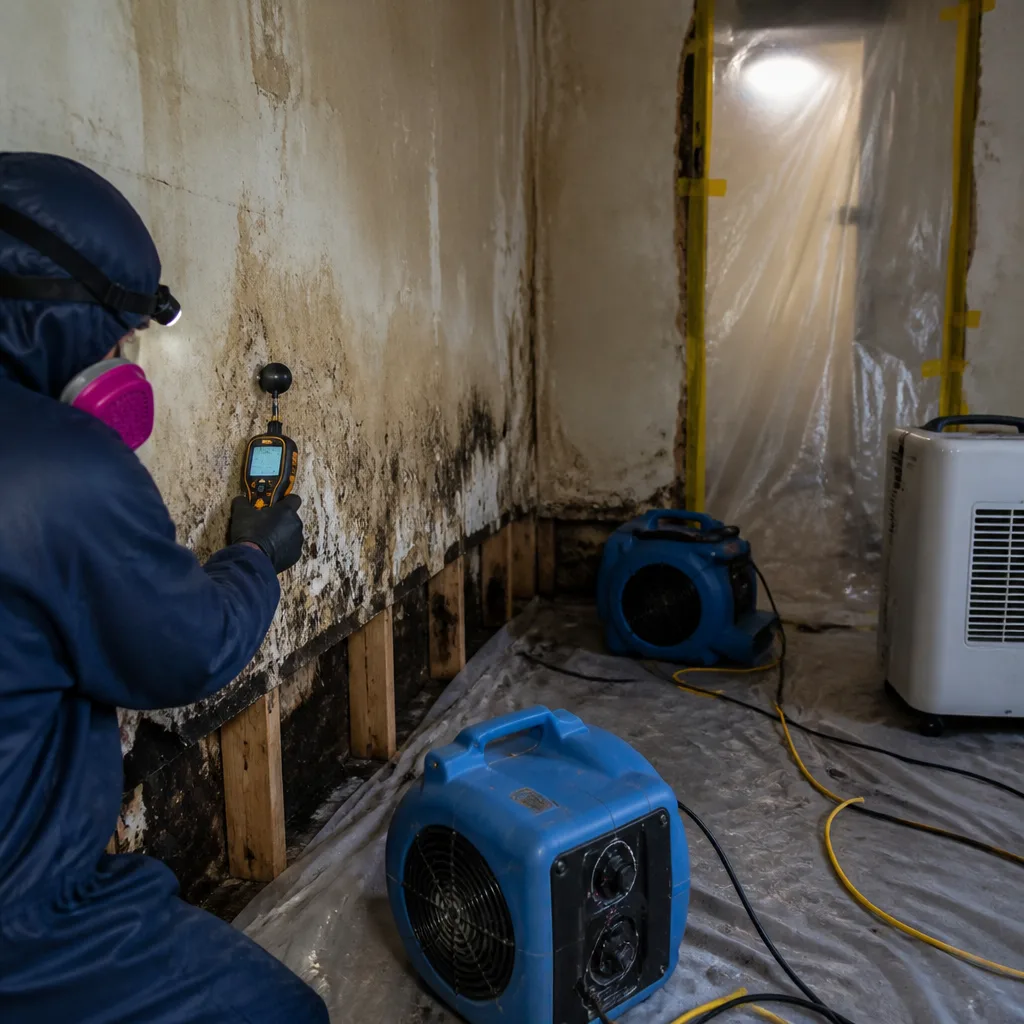
If you find mold on a summer day in an East Bronx basement, don’t just wipe it with bleach and call it handled. Bleach doesn’t penetrate porous surfaces like drywall and wood; it kills surface mold but leaves the roots. And mold inside a wall cavity is worse than mold you can see, because it’s releasing spores into the air you breathe. Professional remediation involves moisture mapping to find the source, containment to stop spore spread, and removal of affected materials that can’t be salvaged.
Fall: Gutters, Grading, and Pre-Winter Preparation
October in East Bronx is the time to prepare for what January will bring. The two big jobs that prevent most winter and spring water damage are gutter maintenance and grade correction. Clogged gutters during winter cause ice dams, because water backs up and freezes at the eave. During spring, clogged gutters pour water directly against the foundation, overloading any drainage and feeding seepage. It’s simple cause and effect.
Fall checklist for East Bronx homeowners:
- Clean gutters and downspouts after most leaves have fallen but before the first freeze. If the downspout is buried underground, check the discharge at the street or the dry well if you have one.
- Walk the perimeter of your house and look at the soil line. It should slope away from the foundation at about six inches of fall over the first ten feet. Flat or negative grade sends rainwater back toward the wall.
- Inspect the roof flashing around chimneys, vents, and skylights. These are the first places to leak during winter storms.
- Shut off exterior hose bibs and drain the lines. A frozen hose bib can split the pipe inside the wall and let water run into the house when the line thaws.
- Trim tree branches that overhang the roof. Heavy snow bends them down against shingles, and fallen branches punch holes.
Fall is also the time to have a professional look at anything you noticed over the summer but didn’t address. A damp basement corner, a musty coat closet, a water mark under a window. Small problems fixed in October are cheaper than emergencies in February. Our Floodline Restoration Co. home page covers the full range of what we do, but the short version is this: if water is involved, we handle it from first response to final rebuild.
Moisture Mapping: What It Is and When You Need It
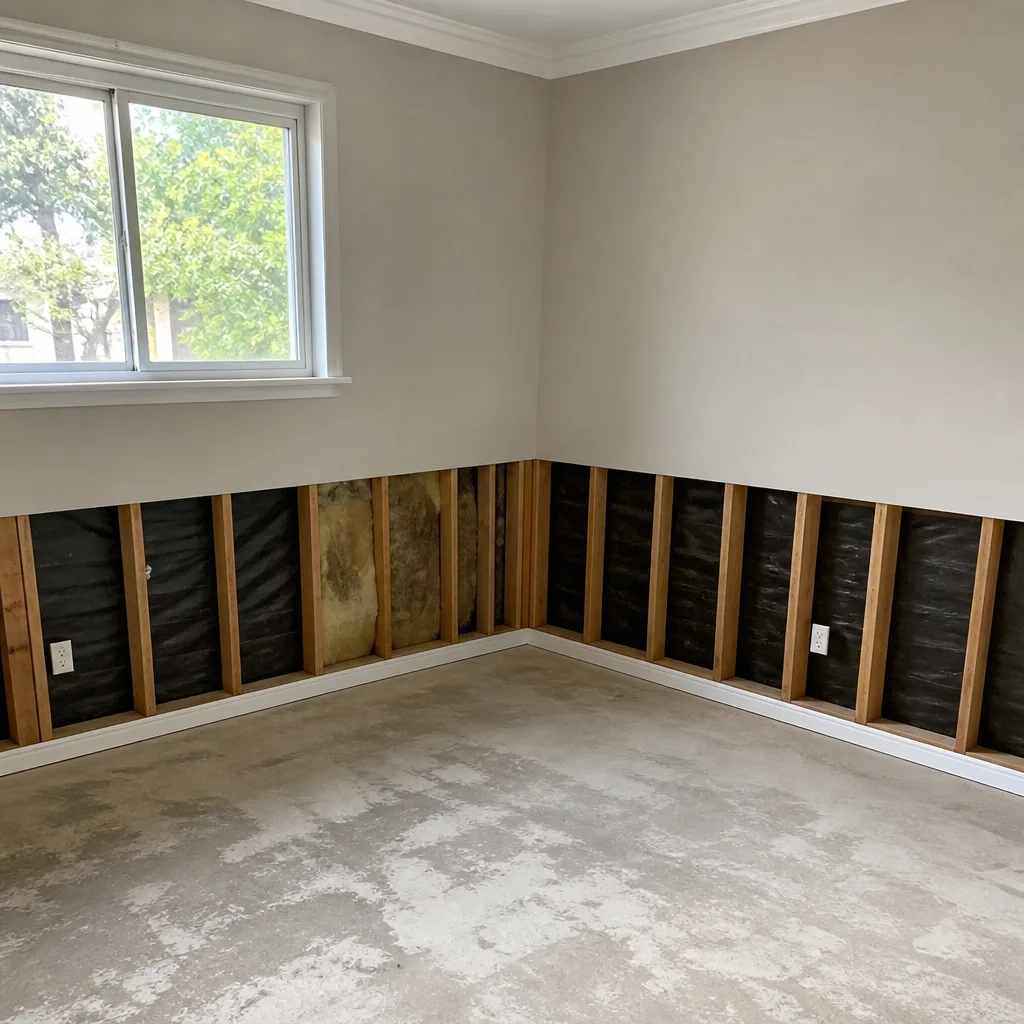
Moisture mapping is the practice of systematically measuring and documenting moisture levels across a structure, room by room and surface by surface. In restoration work, it’s the difference between drying what’s wet and guessing at what’s wet. We run Dri-Eaz and Phoenix meters across floors, walls, and ceilings to find the true perimeter of the water, not just the visible edge. Water travels. A leak in a second-floor bathroom often wicks down wall cavities and pools behind the baseboard in the room below, nowhere near the visible stain.
You need professional moisture mapping when:
- Visible water or staining extends into more than one room.
- Water has been present for more than 24 hours, especially if it penetrated carpet, drywall, or wood.
- You smell musty odors but can’t find the source. Odor means moisture somewhere, and moisture mapping finds it.
- You’re filing an insurance claim. Documentation matters. A moisture log with daily readings gives your adjuster a clear picture of the scope.
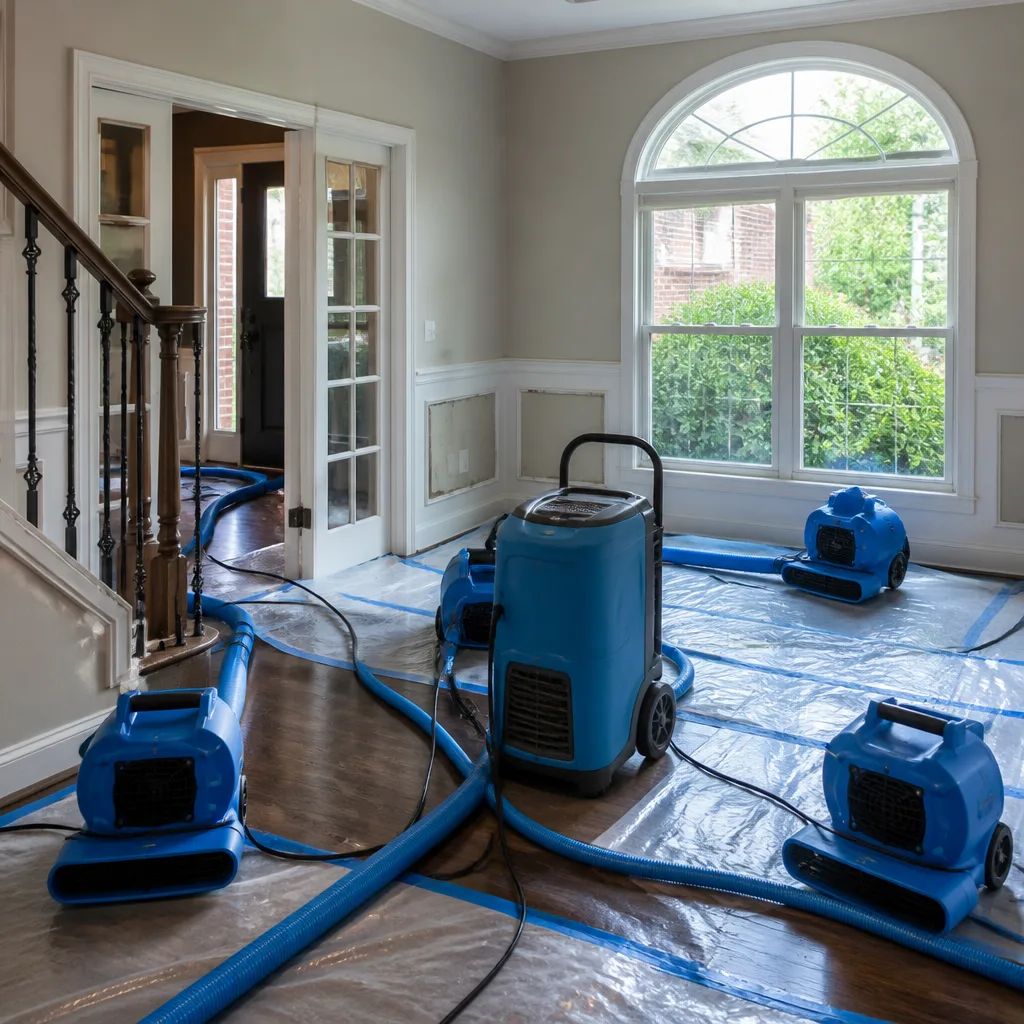
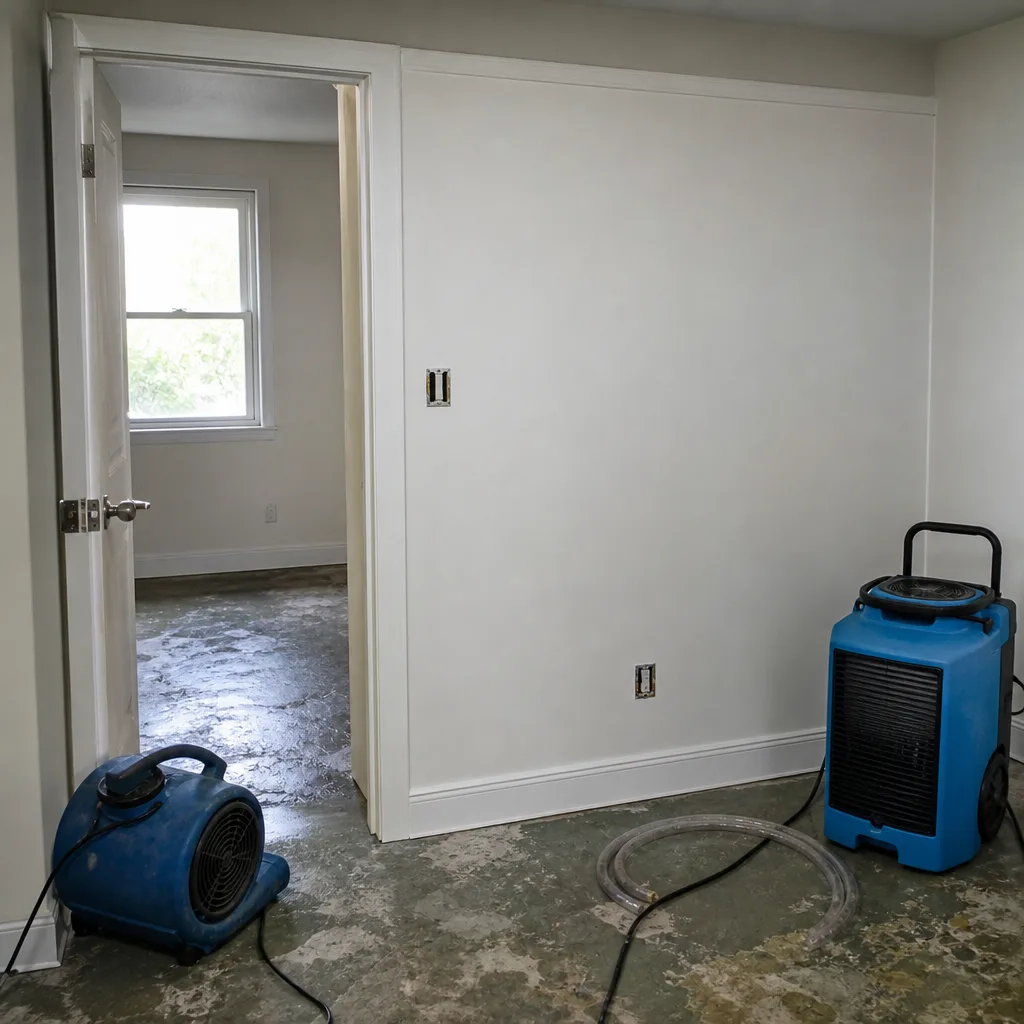
The equipment matters. Consumer-grade moisture meters sold at hardware stores give you a rough idea, but they don’t measure depth and they can’t distinguish between surface moisture and water inside a wall cavity. Professional equipment like the XPOWER and B-Air air movers and dehumidifiers we run, combined with the Dri-Eaz and Phoenix meters, gives us the data to set a drying goal and know when we’ve hit it. Drying too fast can warp wood. Drying too slow can allow mold. The numbers tell us when it’s done, and we hand the homeowner and the carrier a written log of every reading.
Working With Your Insurance Carrier
Here’s a fact most East Bronx homeowners learn the hard way: your insurance policy covers sudden and accidental water damage, but it typically excludes damage from long-term neglect or maintenance failure. A burst pipe is usually covered. A slow leak that’s been running for six months and caused rot is often not. The distinction matters, and it’s why responding fast matters. The sooner you address water, the more likely the damage qualifies as sudden and accidental in the eyes of the carrier.
Here’s how the process should work when you file a claim:
- Document everything before anything moves. Take photos of standing water, wet walls, and damaged belongings.
- Mitigate immediately to stop further damage. That means extraction and drying. Your policy requires you to take reasonable steps to prevent additional loss.
- Get a written scope of work before demolition or rebuilding starts. The adjuster needs this to approve the claim.
- Keep every receipt and every piece of correspondence. If you pay for emergency mitigation out of pocket, those costs are reimbursable under most policies.
A restoration company that works directly with your carrier removes the middleman problem. We bill the carrier directly on approved claims, which means you’re not floating thousands of dollars while waiting for reimbursement. We coordinate with adjusters, provide the moisture readings and photo documentation they need, and keep the job moving. The alternative, handling the claim yourself and then managing a patchwork of separate contractors, is how homeowners end up with a half-finished basement and an exhausted claim limit.
Common Mistakes to Avoid
- Waiting to see if it dries on its own. Drywall and insulation almost never dry on their own before mold takes hold, especially in East Bronx humidity. The 48-hour clock is real.
- Using a shop vac for a real flood. A shop vac handles a spill, not a water event. Professional extraction removes gallons per minute and reaches water trapped under flooring.
- Treating visible mold as a surface problem. Visible mold is almost always the tip of something inside the wall or under the floor. Killing what you can see doesn’t fix what you can’t.
- Skipping the moisture log. If you don’t have written, dated readings, you can’t prove the job was dried to standard. That matters for insurance and for resale.
- Directing gutters against the foundation. Downspout extensions that end at the wall pour water exactly where it does the most harm. Six feet out, minimum.
- Leaving wet carpet in place and closing the windows. Trapped moisture plus stagnant air equals mold within days. The carpet pad holds water like a sponge and rarely survives a real event.
- Assuming the first quote is the final word. Some contractors lowball the initial scope and then find “additional damage” after demo starts. Get the scope in writing before work begins.
When to Call a Professional
Some water events are manageable with towels and a fan. Water is deeper than three quarters of an inch, covers more than one room, or has soaked into drywall or flooring, and you need professional equipment and training. Same if the water came from a sewage backup or a toilet overflow: that’s Category 3 water, contaminated with bacteria and pathogens, and it requires containment and sanitizing, not just drying. Call us if the water has been sitting for more than 24 hours, if you smell gas or see electrical outlets underwater, or if you suspect mold behind finished surfaces. Floodline Restoration Co. offers free estimates in East Bronx. Call (607) 602-2791 and a live person answers.
Frequently Asked Questions
With 24/7 live dispatch, a certified crew can typically reach any East Bronx address within 60 to 90 minutes of your call. The phone is answered by a person, not a recording, at any hour, and extraction starts on the same visit in most cases. Call (607) 602-2791 and you’ll speak with a live dispatcher who can tell you exactly when the crew will arrive.
Sudden and accidental water damage, like a burst pipe or a storm-related intrusion, is covered under most homeowners policies. The key is immediate mitigation and accurate documentation, because the carrier expects you to prevent further damage. We bill the carrier directly on approved claims and coordinate with your adjuster, so you don’t play messenger.
If water soaked into drywall, carpet pad, or wood subfloor, household fans will not dry it fast enough to prevent mold. Professional-grade Dri-Eaz and Phoenix equipment moves air and removes moisture at a scale that household gear can’t match. The drying goal isn’t visible dryness; it’s a moisture reading that confirms the material is dry throughout.
The 90-Day Done Right Promise is our written guarantee that if the work isn’t done right, we make it right. It’s the Keystone Standard, tied to our company values and given in writing on every job. If an issue surfaces within 90 days of completion, we return and correct it, without argument or paperwork battles.
Shut off the main water valve if the source might be a plumbing leak, then call a restoration company. Don’t use electrical outlets or appliances in the wet area, and don’t attempt to wade through standing water if you can’t confirm the electrical has been isolated. Take photos for your claim, then call (607) 602-2791 for immediate dispatch.
Yes, the 5% Senior & Veteran discount always applies to any restoration or repair work, with no expiration and no fine print. It stacks with the $50 Off Any Repair Over $250 offer and the $89 Seasonal Tune-Up. Community is part of how we’ve operated in East Bronx since 2010.
The Bottom Line
Seasonal damage restoration in East Bronx is a discipline, not a one-time response. Each season brings its own threats: winter freezes and ice dams, spring seepage, summer humidity and condensate failures, fall gutter and drainage issues. The pattern that matters is the same in every season: water moves, water hides, and water waits. A small sign now is a large repair later. Respond within 48 hours, document everything, and get professional help when the damage is beyond what towels and fans can handle. We’ve served East Bronx homeowners since 2010, and the line the water left is where we start.
Written by Curt Bowman, Owner at Floodline Restoration Co., serving East Bronx since 2010.