
Last updated August 25, 2026
Free visual inspection and a written scope of work before any mitigation begins - photos, moisture readings, and drying logs go in your claim file
The scope we write is the scope we bill. Anything new gets shown to you, in writing, before we touch it.
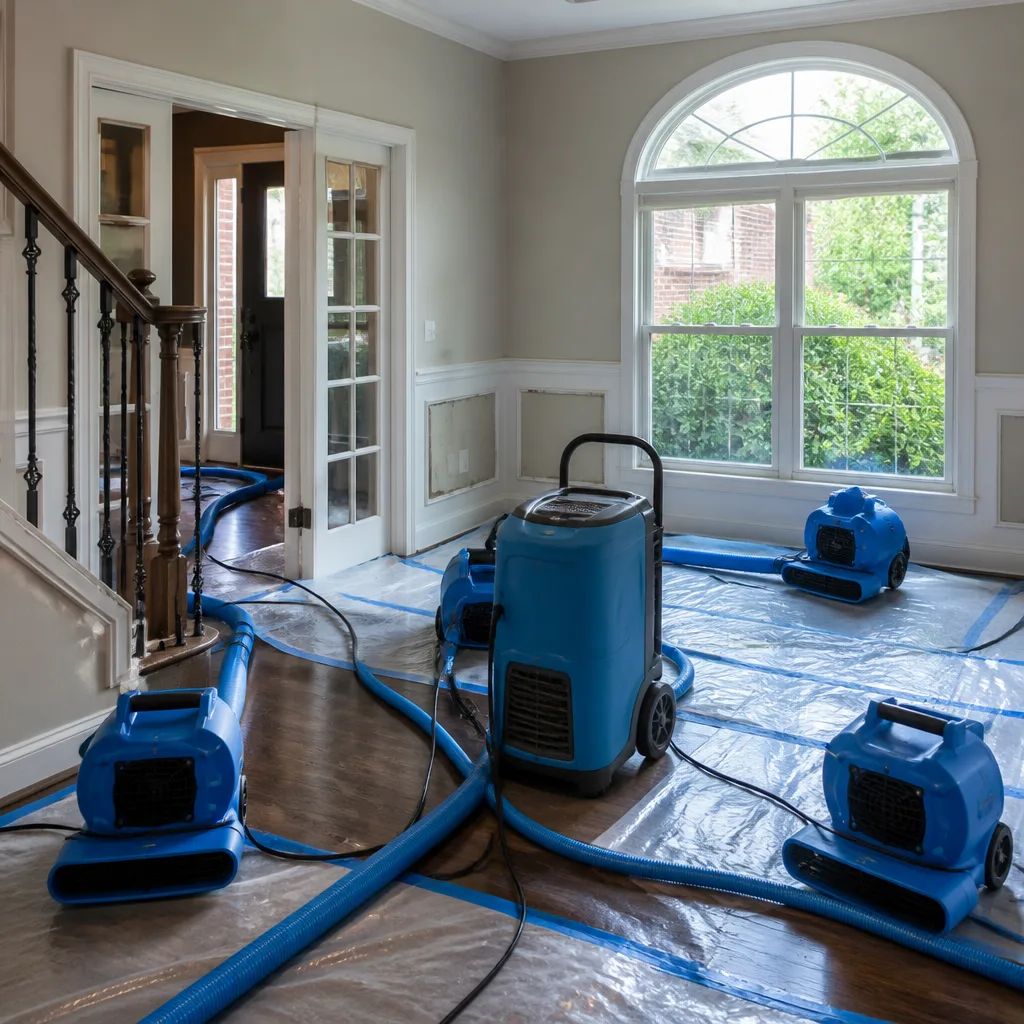
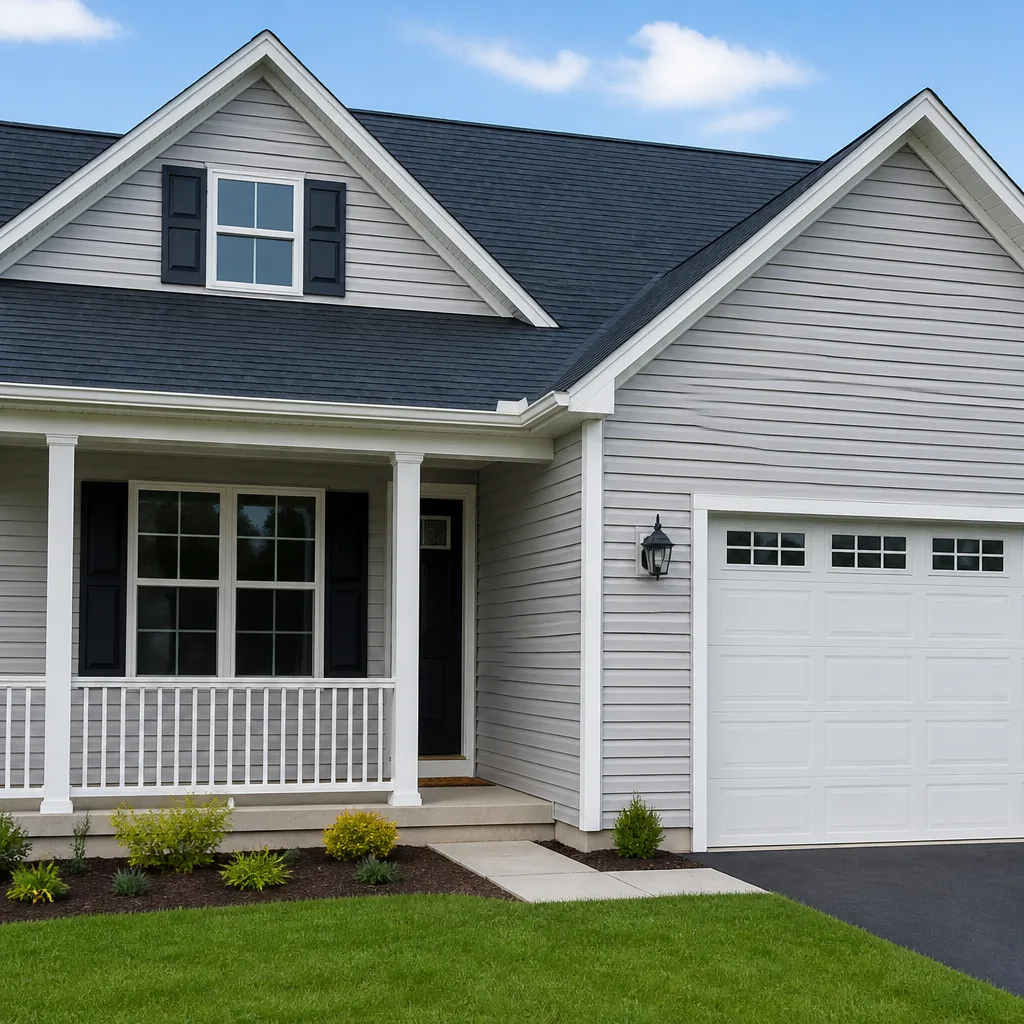
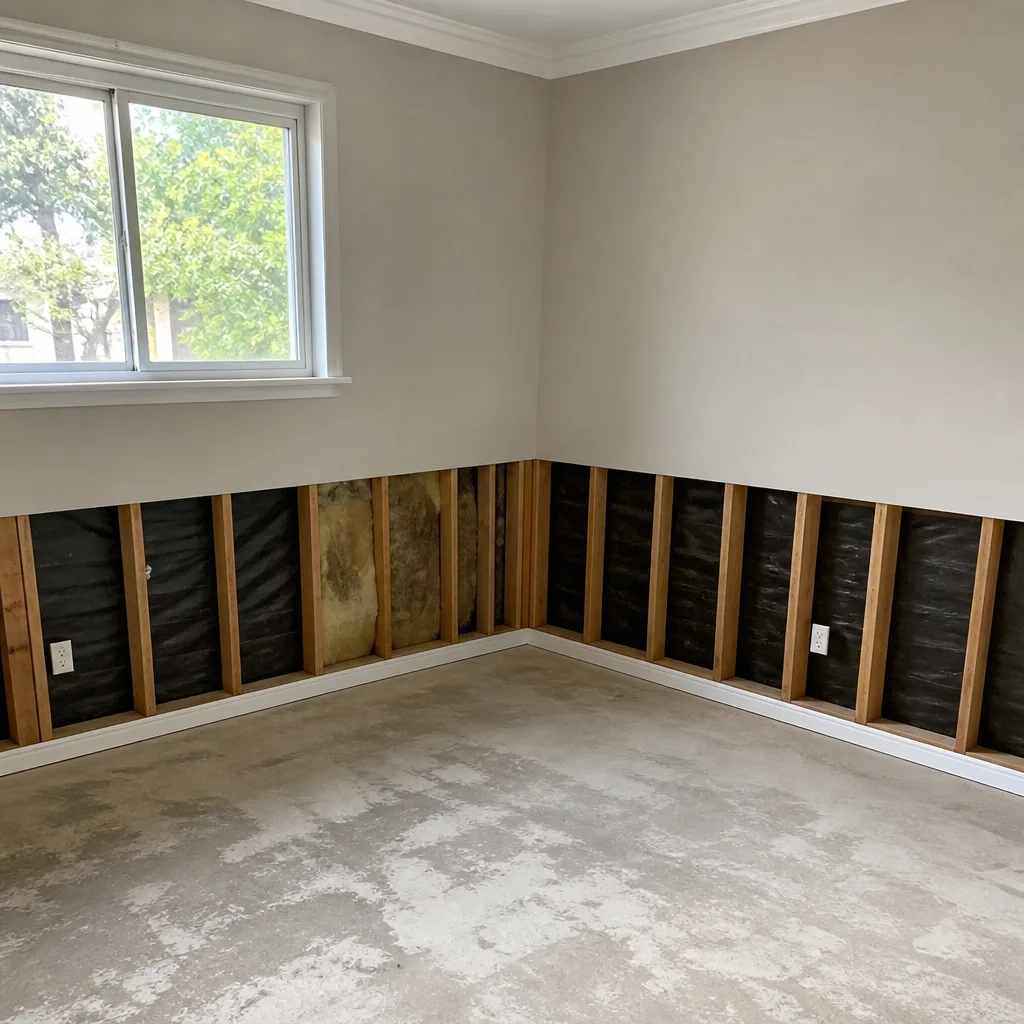
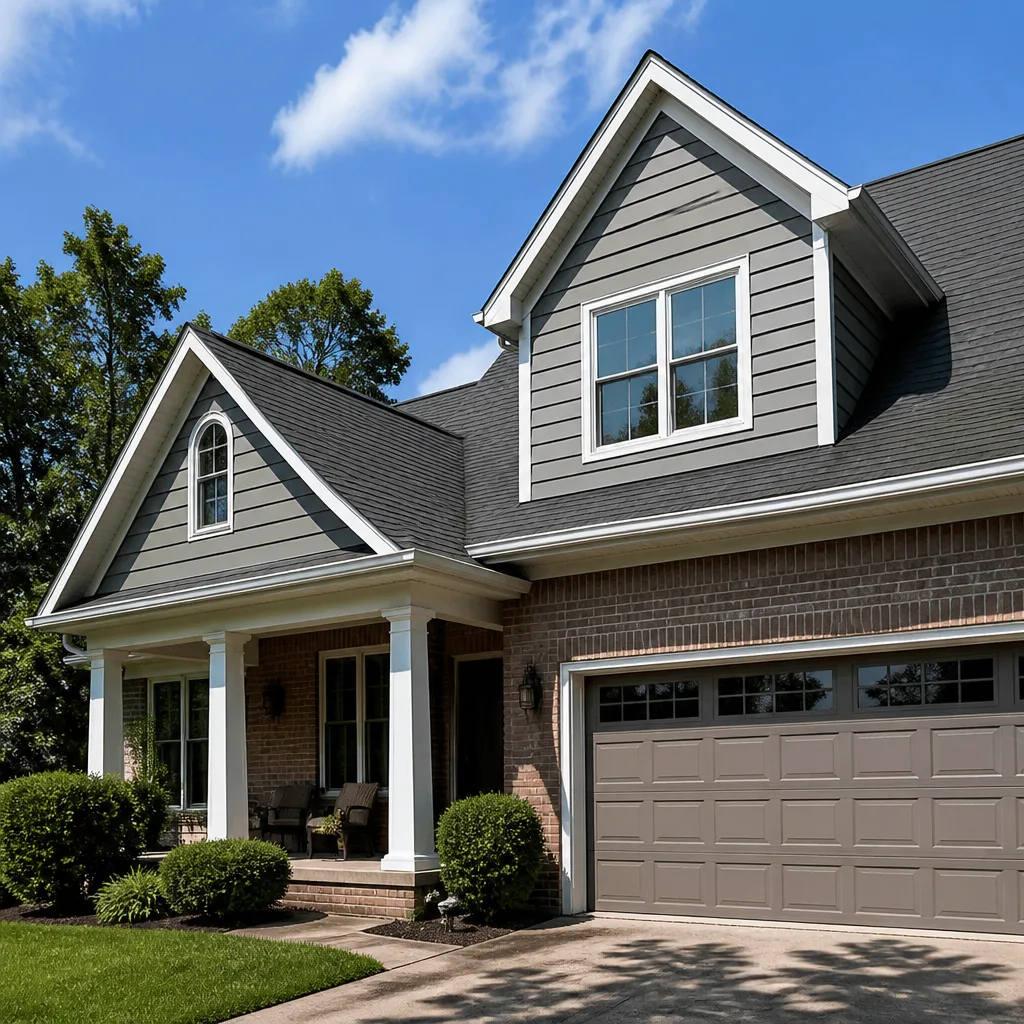
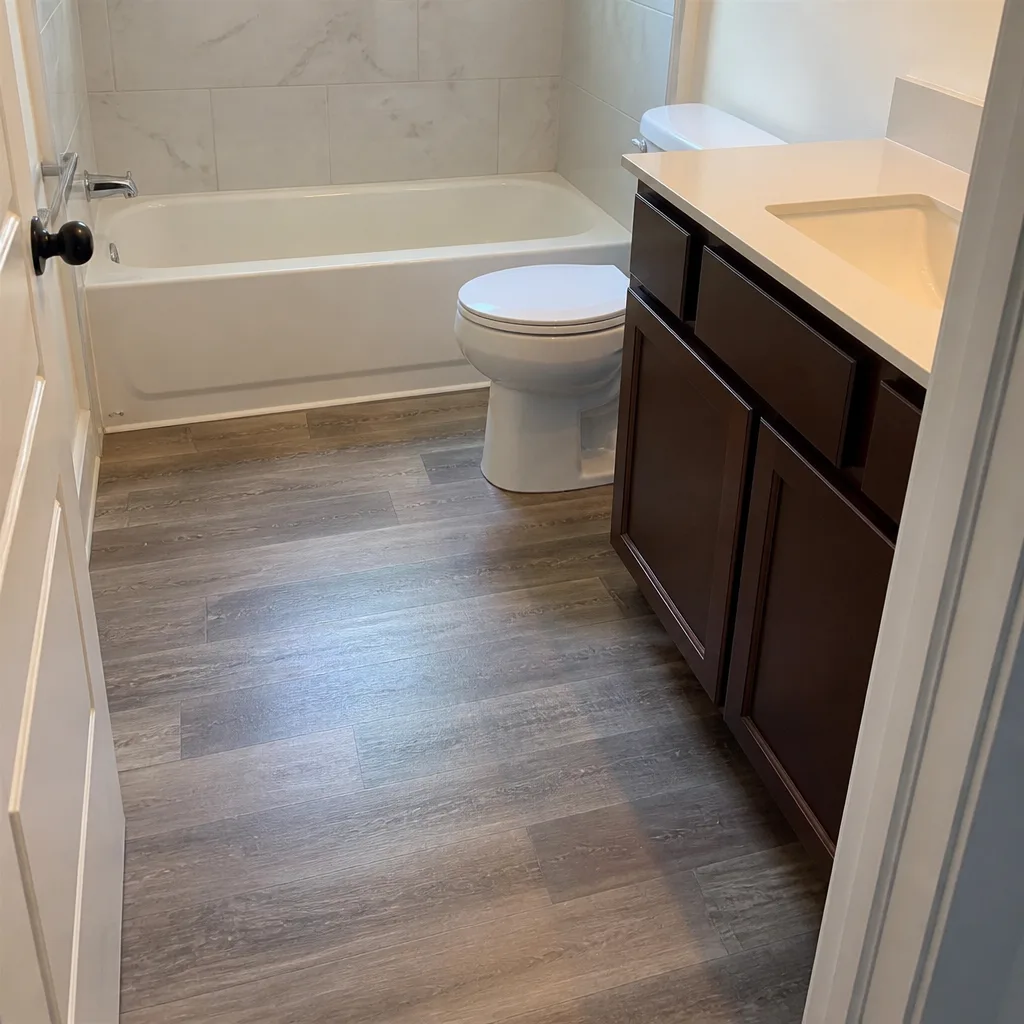

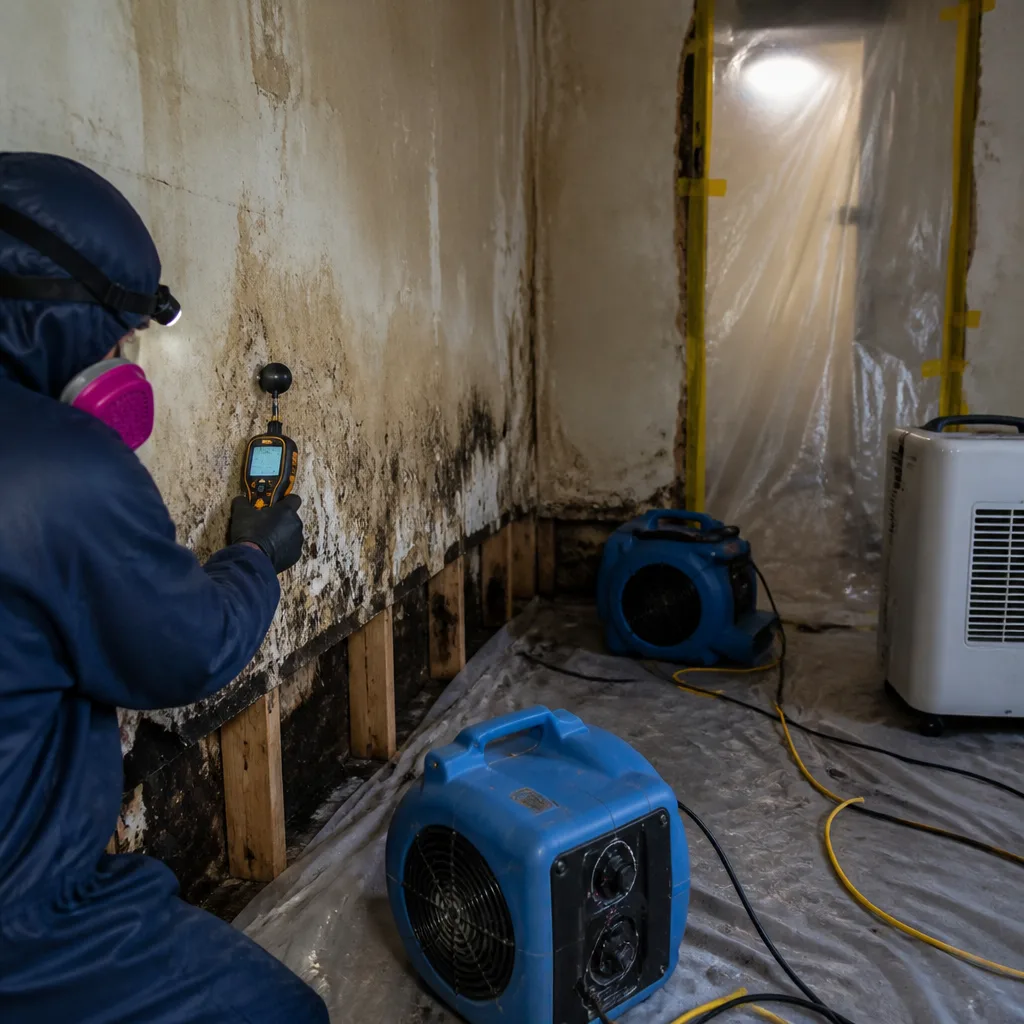 Before
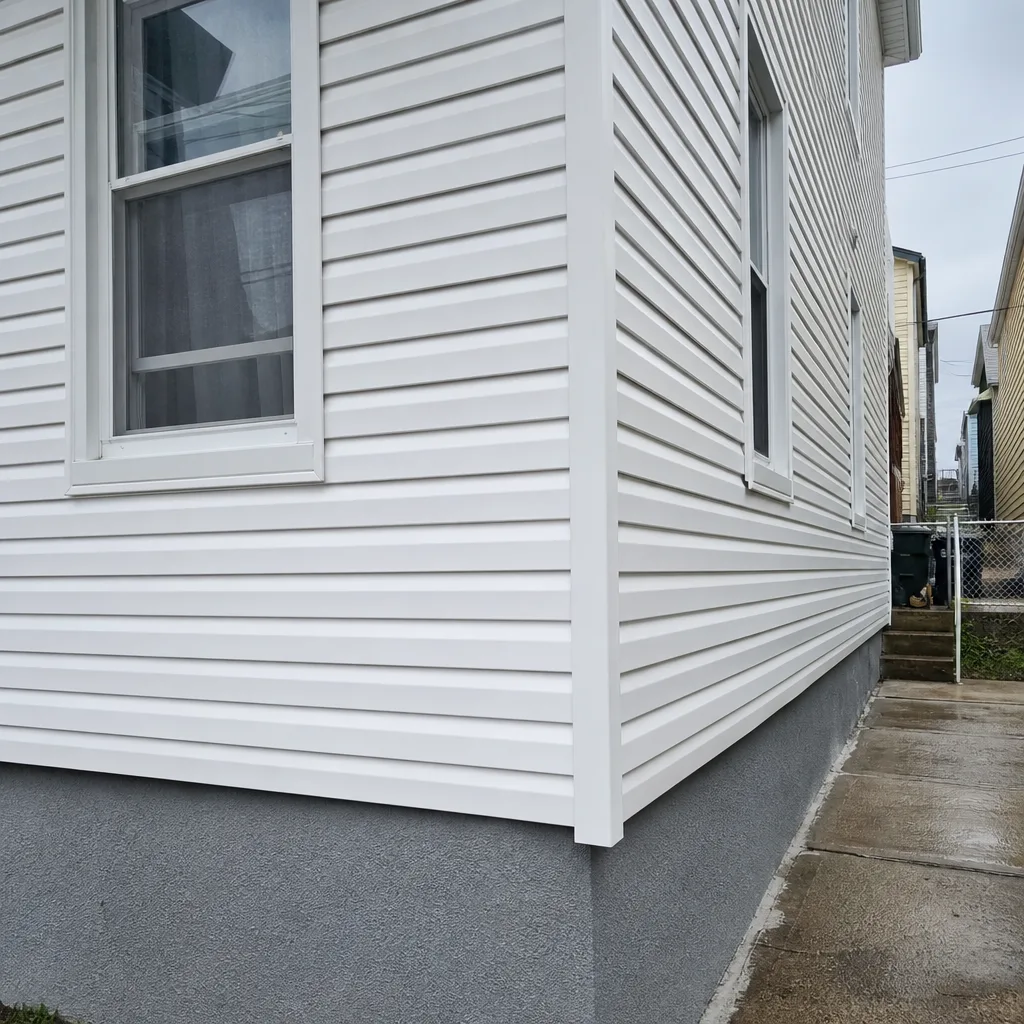 After
After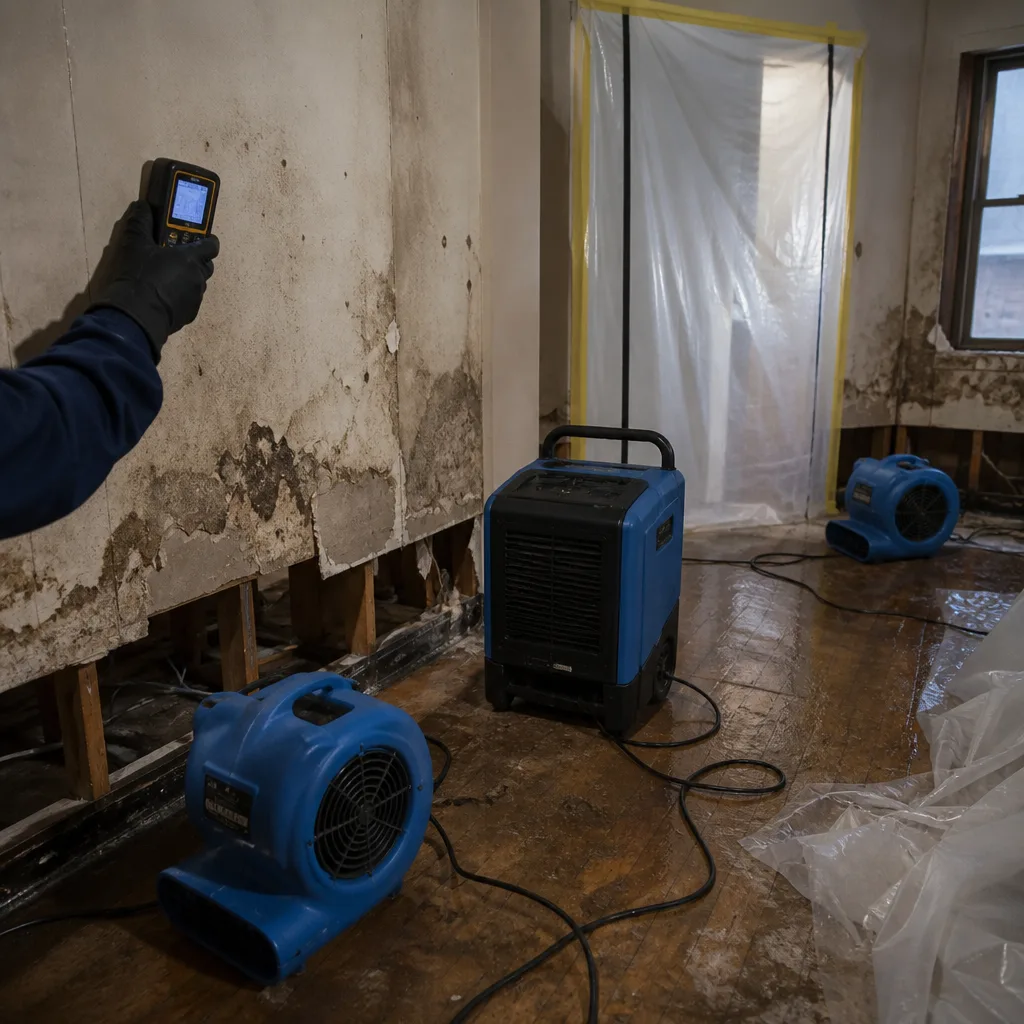 Before
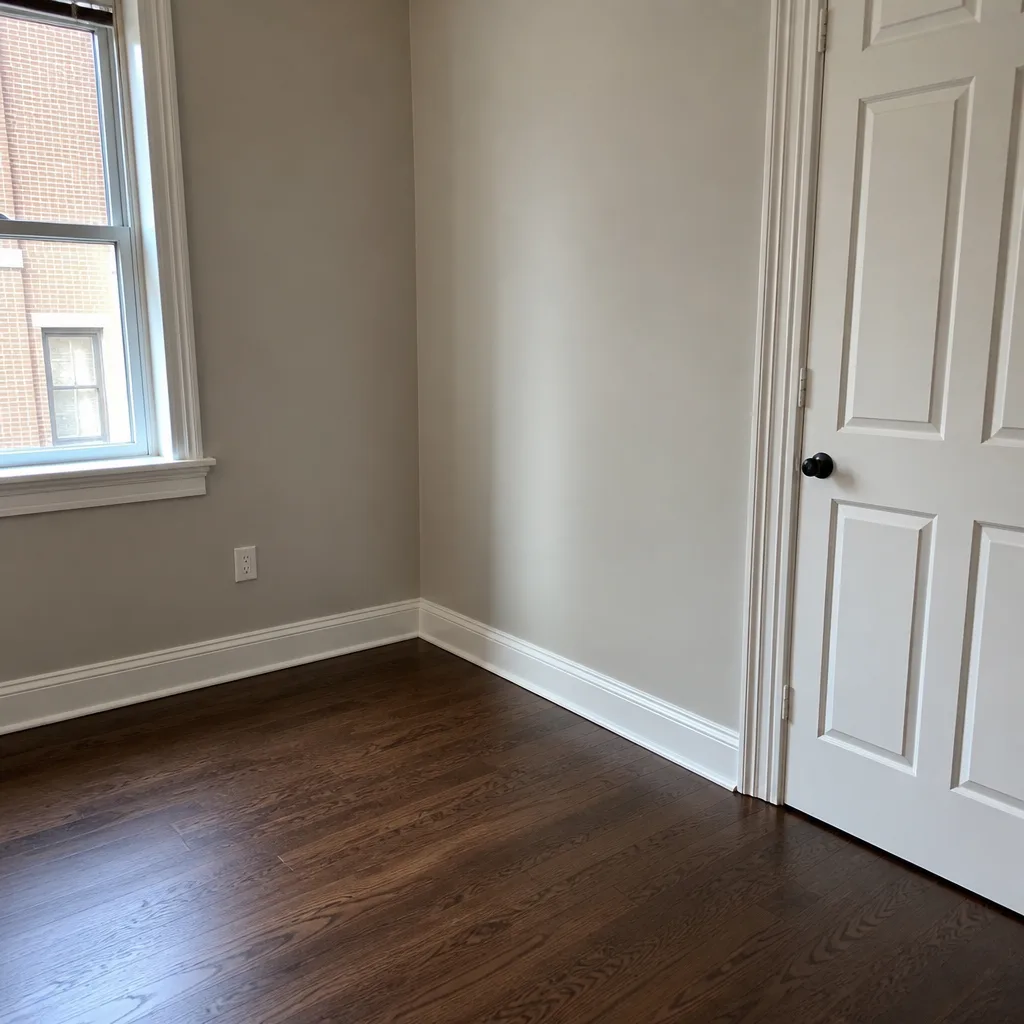 After
After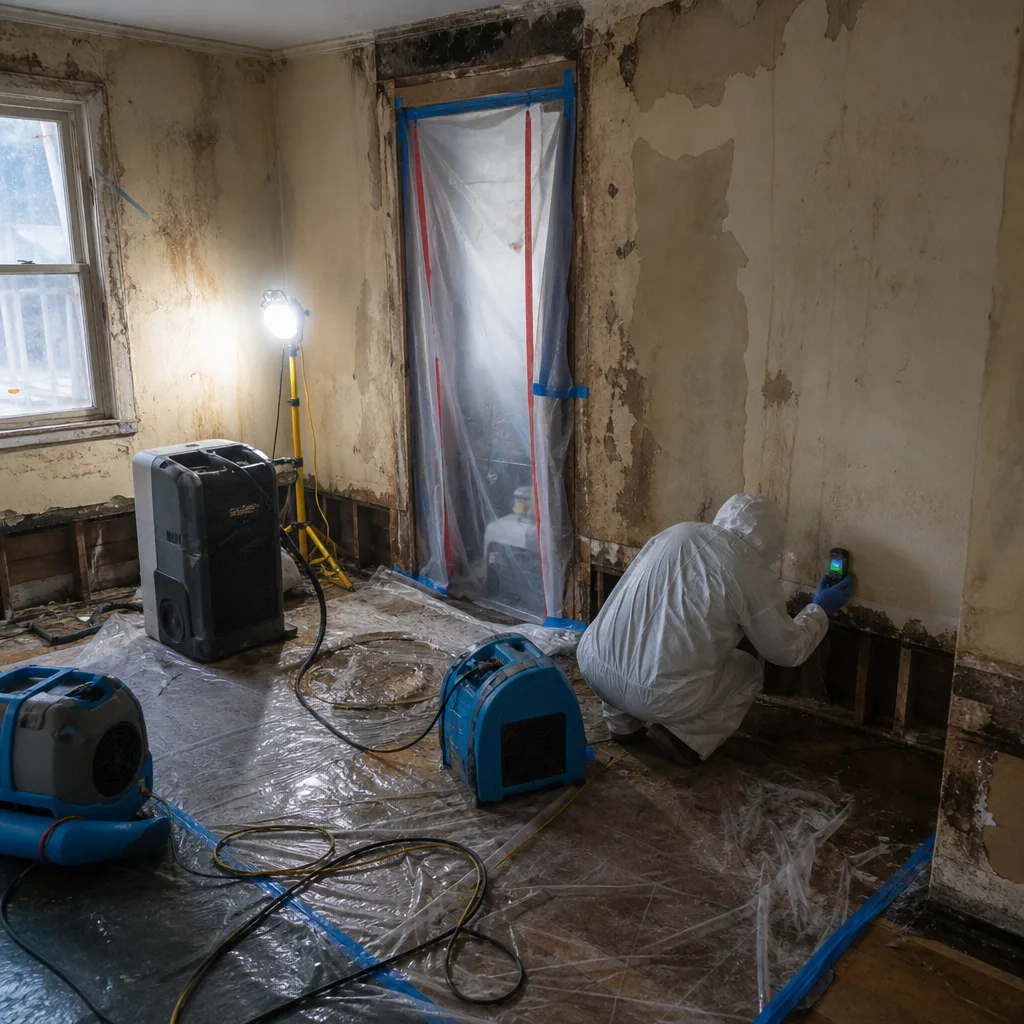 Before
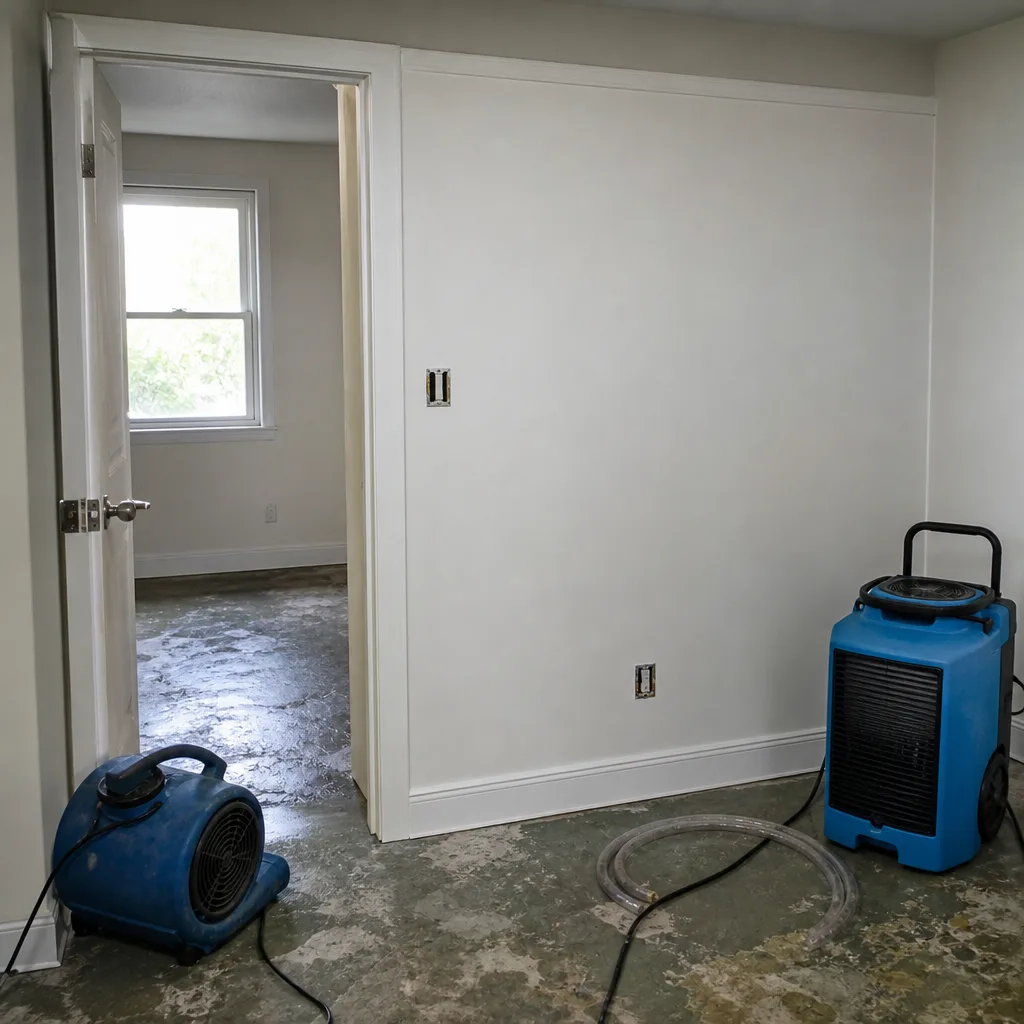 After
AfterDamage Restoration Permits, Codes & Inspections in NY: What You Need to Know
Most homeowners in New York find out about permit requirements the hard way: after the first check is written to a contractor, or worse, after the local building department sends a stop-work notice. Here’s what surprises people: the moment water, fire, or a fallen tree damages your home, your insurance policy and local code begin moving on different tracks. The insurance adjuster wants restoration done fast to limit further damage. The building department wants certain work inspected and documented before it’s covered back up. In the East Bronx, we’ve watched tight streets and older housing stock turn simple fixes into code tangles when work starts without the right paperwork. This guide explains what actually needs a permit after damage, which inspections you’ll face, and how to sequence the work so you’re not paying twice. We’ll walk through water, fire, mold, storm, and structural damage, and when the answer is simpler than you fear.
Quick Answer
In New York, most emergency mitigation work (water extraction, drying, tarping, board-up, demolition of unsalvageable material) does not require a permit when done to stop active damage. But reconstruction, electrical, plumbing, structural repair, and any change to egress or load-bearing elements almost always do. Plan on at least one building permit and two to three inspections for a typical restoration job, and call your local building department before opening walls in the East Bronx.
Table of Contents
- Permit Work vs. Mitigation Work: The Critical Difference
- How the NYC Building Code Applies to Restoration
- Water Damage: When Drying Needs a Permit (and When It Doesn’t)
- Fire Damage: Permits, Demo, and Rebuild Sequencing
- Mold Remediation: The NY Law That Overlaps With Permits
- Electrical and Plumbing: Inspections After Water or Fire
- Structural and Storm Damage: Engineering Letters and Special Inspections
- The Inspection Timeline: What Gets Checked, and When
- Insurance, Paperwork, and Proof for Your File
- Common Mistakes to Avoid
- When to Call a Professional
- Frequently Asked Questions
- The Bottom Line
Permit Work vs. Mitigation Work: The Critical Difference
The first distinction that keeps homeowners out of trouble is the line between mitigation and construction. Mitigation means stopping active damage: extracting standing water, running dehumidifiers, cutting out wet drywall that’s already failing, tarping a roof, boarding up a broken window, removing smoke-damaged carpet. In New York, this work is generally considered emergency response and does not require a permit, provided you’re removing material that is already unsalvageable and not changing the structure. You can rip out soaked drywall in the East Bronx without a building-department stamp. You cannot hang new drywall, move a wall, replace a window with a different size, rewire a circuit, or touch a gas line without one.
Where homeowners get caught is the moment mitigation starts to look like construction. Replacing a section of subfloor because it warped is usually a repair, not a permit item. But if the joists beneath it need sistering or replacement, you’ve crossed into structural territory, and the Department of Buildings wants an engineer’s letter first. Same with roofing: nailing a tarp over a hole is emergency mitigation. Replacing more than a small section of sheathing and shingles usually triggers a permit and an inspection.
Think of it this way: if the work stops further damage, it’s mitigation. If the work creates something new or restores something structural, plan on paperwork. We start every job at the floodline, the water mark on the wall, and part of reading that line correctly is knowing which side of the permit line we’re standing on.
How the NYC Building Code Applies to Restoration
New York City operates under the NYC Building Code, with the Department of Buildings (DOB) issuing permits and conducting inspections in all five boroughs, including the East Bronx. The code applies to restoration work the same way it applies to new construction, with some allowances for emergency work. The key sections homeowners will encounter after damage are the permit requirements under AC 28-105, the special inspection requirements under AC 28-117, and the demolition provisions under AC 28-404. You don’t need to know the section numbers by heart. You need to know that the code treats restoration as construction, not as maintenance, whenever the work touches structure, fire-rated assemblies, egress, or utilities.
New York’s code has a particular focus on fire safety, which matters after a fire damage restoration. If fire-rated assemblies, like walls between dwelling units in a multi-family East Bronx building, were damaged, the repair must restore the fire rating. That means specific materials, specific fastening patterns, and usually an inspection before the wall is closed. The same applies to egress: a damaged stair, landing, or exit door must be restored to code, which sometimes means improving on what was there before. Pre-existing violations don’t grandfather into a restoration when the building department gets involved.
An important point for older housing stock: many East Bronx homes were built before current seismic and wind standards. Restoration is not a trigger to bring the entire building up to current code, but any portion you touch must meet current standards for that portion. If you’re replacing a section of rotted sill plate, that section meets today’s code. The rest of the house doesn’t have to. This is the line that makes restoration feasible on older homes and the reason an experienced local contractor’s read matters as much as the code itself.
Water Damage: When Drying Needs a Permit (and When It Doesn’t)
Water damage is the most common restoration we handle, and the permit answer is usually no, with a few specific exceptions. Standing water extraction, dehumidification with professional-grade equipment, removing wet insulation, cutting out saturated drywall, and hauling away ruined flooring are all mitigation. No permit. That’s true in the East Bronx and everywhere else in New York. The reasoning is simple: this work is removing damaged material and drying the structure, not constructing anything new.
However, water damage repair frequently turns into reconstruction, and that’s where permits enter. Replacing drywall in a small area is typically treated as a repair. Once you’ve opened more than a portion of a wall, or you’re touching anything behind it, you’re into permit territory. Replacing a water heater that flooded a basement requires a plumbing permit and inspection. Replacing any electrical outlet, switch, or wiring that got wet requires an electrical inspection. Installing new flooring over a dried slab usually doesn’t require a permit, but in some East Bronx co-ops and condos, the building’s alteration agreement requires board review regardless of city code.
One more water-specific rule: if the water involved is category 2 (gray) or category 3 (black, meaning sewage or outdoor flood water), the cleanup protocols change even though the permit questions stay the same. Contaminated materials must be removed and disposed of properly, affected areas must be sanitized, and the drying standard must be verified with moisture readings. The permit is about what you rebuild afterward, not about the extraction itself. We run Dri-Eaz, Phoenix, and XPOWER equipment until the moisture log shows the structure has hit the dry standard, and that log matters as evidence for both your insurance carrier and any inspector who asks about the work’s timing.
Fire Damage: Permits, Demo, and Rebuild Sequencing
Fire damage is where permits become unavoidable in most New York restorations. A fire that sends firefighters through the door usually means the DOB is already aware of the property. The Fire Department reports structural fires to the DOB, and the DOB can issue a vacate order or a restricted-use order until repairs are made. In the East Bronx, with its mix of detached homes, attached row houses, and multi-family buildings, the path from fire to reoccupancy nearly always includes a DOB permit and multiple inspections.
The sequence works like this. First, the fire is out and the utility companies have shut off gas and electric. Second, a structural engineer conducts an assessment to determine what can be saved and what must be removed. Third, demolition of charred or unstable framing occurs, usually under a demolition permit or as part of the overall restoration permit. Fourth, the rebuild: framing, electrical, plumbing, insulation, drywall, finish work. Each trade has its own inspection point. The building department will not issue a new certificate of occupancy or lift a vacate order until the final inspection passes.
Fire restoration also triggers rules about smoke and soot that go beyond building permits. If fire-damaged materials are removed improperly, soot particles can spread through the structure and settle in ducts, behind walls, and in attic insulation. We’ve seen East Bronx fires where the visible damage was one room, but the smoke trail traveled through shared wall cavities into the adjoining property. The remediation work, including thermal fogging and air scrubbing, isn’t permit work, but the rebuild that follows absolutely is. A homeowner who rushes the rebuild and skips the inspection ends up with a property they can’t legally occupy and an insurance carrier that will not release the reconstruction holdback.
Mold Remediation: The NY Law That Overlaps With Permits
New York has a specific statute that covers mold: Article 32 of the New York State Labor Law, which requires mold assessment and mold remediation contractors to be licensed, and sets minimum work standards. What it does not do is require a building permit for mold work itself. Mold removal, containment, air scrubbing, and sanitation are not DOB permit items. But mold remediation frequently uncovers the thing that started the mold, usually a plumbing leak, roof leak, or failed waterproofing, and fixing that underlying cause often requires a permit and inspection.
There’s a sequencing question homeowners need to understand. If the mold source is a leaking pipe inside a wall, the plumber who fixes the pipe needs a permit for the plumbing work. The wall stays open for mold remediation, then the plumber returns for rough-in inspection, then the wall is closed and finished. It is common in the East Bronx for people to try to skip the rough-in inspection because the wall is open and the plumber is already there. That shortcut saves an afternoon and costs a wall tear-out later, because the inspector will not sign off on plumbing he couldn’t see.
If the mold damage is large, over ten square feet in New York, the state law requires the work to follow specific containment and clearance protocols. A licensed mold assessor conducts a post-remediation clearance test before the space is considered finished. That clearance is not a DOB inspection, but it’s a required piece of paper for your insurance file and for resale disclosure down the road. We’ve found that mold jobs go smoother when the assessor, the remediation crew, and the rebuild crew read the same scope of work from day one. Nothing wastes more time than a clearance failure because the rebuild started before the air sample cleared.
Electrical and Plumbing: Inspections After Water or Fire
Almost every restoration that touches water or fire will involve an electrical inspection. Water and electricity do not mix, and New York’s electrical code requires that any electrical component exposed to water be replaced or evaluated by a licensed electrician. That includes outlets, switches, wire, panels, light fixtures, and junction boxes. If a circuit was submerged, even briefly, the safe answer is replacement, not drying. The NYC DOB inspections for electrical work are conducted by the DOB’s Electrical Inspections division or by a qualified third-party agency depending on the work’s scope. In practice, your electrician files the work, schedules the inspection, and you don’t close the wall until it passes.
Plumbing follows the same pattern. A supply line burst means the plumber replaces the damaged section, and the repair gets inspected. If the damage is to the main waste line or a sewer lateral, the work may require a separate sewer certification, and in some East Bronx locations, the DEP gets involved. Homeowners are usually surprised to learn that a water heater replacement, which feels like a simple swap, requires both a plumbing permit and a DOB inspection in New York City. It’s one of the most common violations we see: an unpermitted water heater discovered during an unrelated inspection.
There’s also the question of the panel. If a fire damaged the electrical panel or the main service, you’re not just replacing a component. You’re likely upgrading the service to current code, which may mean a larger panel, grounding upgrades, and coordination with Con Edison. That work has its own inspection sequence, and it cannot happen casually on the same day as the rest of the rebuild. We sequence electrical work early in a restoration because everything else, drywall, paint, trim, waits on the rough-in inspection.
Structural and Storm Damage: Engineering Letters and Special Inspections
When a tree falls on a roof, a hurricane lifts a section of sheathing, or water undermines a foundation wall, the work is structural. New York requires a licensed professional engineer or registered architect to design the repair, and the DOB requires special inspections during construction to verify the work matches the drawings. This is not negotiable, and it’s not something a contractor’s word substitutes for. The engineer’s letter becomes part of the permit application, and the special inspector, hired by you but working for the DOB’s trust, signs off at specific points.
In the East Bronx, storm damage tends to arrive as either wind or water. Wind takes roofs, siding, and sometimes porches. Water takes basements and undermines foundations on older block walls. Roof work over a certain square footage, typically any repair larger than a patch, requires a permit and a final inspection. If any structural member, a rafter, a joist, a post, a beam, was compromised, the engineer’s letter matters as much as the shingle count. We’ve seen insurance adjusters approve roof replacement while the building department insists on upgrading the connection between the roof and the walls, a current-code detail older homes lack. The result is two scopes of work, one for insurance and one for code, and the homeowner needs to understand both.
Foundation work is the most serious structural restoration, and it’s when homeowners most need a contractor who understands sequencing. Underpinning, carbon fiber reinforcement, helical piers, and full foundation replacement each have their own permit and inspection path in New York. A partial foundation failure in the East Bronx typically requires a structural engineer’s assessment, a permit, and inspections that may include the DEP if sewer lines run nearby. These are not single-visit projects, and anyone who promises one is not telling you the truth.
The Inspection Timeline: What Gets Checked, and When
A typical reconstruction after water or fire damage in New York will require at least three inspections, and often more. Knowing the sequence helps you plan around them instead of discovering them mid-project. Here’s the standard order for a restoration that includes framing, electrical, plumbing, and finish work.
- Rough-in inspection. After framing, electrical wiring, plumbing pipes, and mechanical work are in place but before insulation and drywall cover them. The inspector checks that the work matches the approved plans. If you’re replacing structural members, the special inspector may need to be present at this same time.
- Insulation or fire-rated assembly inspection. If the work includes fire-rated walls or specific insulation requirements, the inspector returns after insulation is installed and before drywall goes up. In multi-family East Bronx buildings, this inspection matters enormously because the fire rating is an occupancy requirement.
- Final inspection. After all finish work is complete: drywall, paint, trim, fixtures, flooring. The inspector verifies that the completed work matches the permit scope and that no open violations exist. For fire damage with a vacate order, this is the inspection that allows reoccupancy.
- Special inspections (if required). Structural concrete, welding, high-strength bolting, and some foundation work require a special inspector to observe the work as it happens, not just at the end. The special inspection reports are filed with the DOB separately from the regular inspection record.
- Final sign-off and certificate. For some work, the last step is not a visit but a filing: the electrician files a sign-off, the plumber files a sign-off, and the DOB closes the permit. Keep a copy of everything. Your insurance carrier and any future buyer will want it.
The timeline compression that homeowners want, crew in on Monday, done by Friday, works for mitigation and small repairs. It does not work for reconstruction that requires inspections. In the East Bronx, plan for inspections to be scheduled a few days out, sometimes longer during storm season when the department is busy. Anyone who tells you inspections can be skipped is setting you up for a problem on resale.
Insurance, Paperwork, and Proof for Your File
Your insurance carrier and the building department are interested in different things, but their paperwork overlaps in ways that can save you money and time. The insurance adjuster wants proof of loss: photos, moisture logs, material receipts, and a clear scope of work. The building department wants proof of compliance: permits, inspection sign-offs, and engineer’s letters. A homeowner who keeps both files will have a smoother claim and a cleaner resale.
We recommend keeping a single binder for a restoration job, organized by phase. Mitigation records: daily moisture readings, dehumidifier counts, extraction logs, and before-and-after photos. Permit records: the permit application, approved plans, inspection sign-offs, and the engineer’s letter if there was one. Contractor records: the written scope, the change orders, the certificate of insurance, and any material warranties. If you’re dealing with a direct insurance billing arrangement, your contractor should handle the adjuster communication, but the paperwork should still land in your binder.
One specific East Bronx note: if you live in a co-op or condo, the building’s proprietary lease or alteration agreement may require a separate approval process above and beyond DOB permits. That process moves on its own schedule, and it can hold up a restoration if you don’t file early. We’ve seen shareholders assume the DOB permit was enough, then face a board hold-back on the sale because the alteration agreement was never followed. Ask your managing agent before you start work, not after.
Common Mistakes to Avoid
- Skipping the rough-in inspection because the wall is already open. The temptation to let the plumber finish while the wall is open is strong, but an undocumented rough-in means a failed final inspection and a teardown to expose the work. Schedule the inspection, even if it adds a day.
- Treating restoration as “just repair” without checking permit triggers. Replacing sheetrock is repair. Replacing a water heater or adding a circuit is not. When in doubt, ask the building department before the work starts, not after the first inspection fails.
- Letting the insurance adjuster pressure you into starting unpermitted work. The adjuster’s timeline is not the building department’s timeline. Emergency mitigation doesn’t need a permit, but reconstruction does, and starting before the permit is issued means undoing work later.
- Hiring a contractor who doesn’t work in the East Bronx regularly. Local knowledge is practical here: which inspectors work the area, how the DOB handles older attached housing, where permit lines are at the department. A contractor from outside the borough makes avoidable scheduling and filing mistakes.
- Destroying evidence before it’s documented. Photos, moisture readings, and material samples matter to both your insurance claim and any future dispute. Don’t throw away damaged material until your adjuster has seen it or your contractor has documented it thoroughly.
- Assuming the DOB won’t find out about unpermitted work. The Department of Buildings inspects based on complaints, yes, but also on utility records, fire incident reports, and even sidewalk observations. In a dense borough like the Bronx, unpermitted work gets discovered more often than homeowners expect.
- Not asking for the 90-Day Done Right Promise in writing. Restoration work that fails months later is a known problem. Whatever contractor you choose, get their written warranty before work starts, and make sure it covers workmanship, not just materials.
When to Call a Professional
If water is still coming in, if the power was involved, if smoke damage is extensive, if mold covers more than a small area, or if any part of the structure shifted, you need a restoration contractor who carries the right licenses and knows the New York permit path. You need someone who will call the building department to confirm permit requirements before opening walls, not after. You need someone who hands you a written scope before work starts, and who doesn’t make you play messenger between your contractor and your insurance carrier. Floodline Restoration Co. home serves the East Bronx and the surrounding boroughs with free estimates, same-day emergency response, and a written 90-Day Done Right Promise on every job. Call (607) 602-2791 and a live person answers, day or night.
Frequently Asked Questions
No permit is required for emergency water extraction, drying, and removal of unsalvageable materials, but you will need a permit for any reconstruction, electrical, or plumbing work that follows. Call (607) 602-2791 for a clear read on where your specific job falls.
Most straightforward restoration permits are issued within one to two weeks if the application is complete, but emergency work can move faster through the DOB’s process. Larger structural jobs that require engineer’s letters take longer, and inspection scheduling adds more days.
Most homeowner policies cover permit fees and required inspections as part of the cost of repairs, provided the work is related to the covered loss. Keep the permit receipts and inspection fees in your claim file, and have your contractor bill them through the same invoice.
A mold clearance test confirms that mold spore levels have returned to normal after remediation, and it’s required by New York State law on larger jobs. A building inspection is a DOB process that checks construction code compliance. You typically need both on a major mold job, and they happen at different stages.
It depends on the scope. For water damage repair in one area, you can usually stay, with proper containment. For fire damage, structural work, or anything that triggers a vacate order, you cannot legally occupy the space until the final inspection passes and the DOB lifts the order.
If you discover unpermitted work from a previous owner or contractor, you can file for a retroactive permit, but the process includes exposing the work for inspection and may include fines. It is almost always cheaper to permit the work correctly the first time than to legalize it later.
The Bottom Line
Permits, codes, and inspections are the part of restoration no one wants to think about until they’re standing in a wet basement at midnight. Then the sequence matters: mitigate first without permits, then file for the rebuild, inspect at the rough-in stage, and finish with a sign-off that proves the work is safe to occupy. The East Bronx has specific realities: older attached housing, a busy building department, and weather that sends water where water wants to go. A restoration contractor who knows the area can keep the job moving through New York’s approval process without sacrificing speed on the emergency work. That’s the whole job: stop the damage now, rebuild it right, and keep the paperwork that proves it.
Written by Curt Bowman, Owner at Floodline Restoration Co., serving East Bronx since 2010.