
Last updated August 25, 2026
Free visual inspection and a written scope of work before any mitigation begins - photos, moisture readings, and drying logs go in your claim file
The scope we write is the scope we bill. Anything new gets shown to you, in writing, before we touch it.
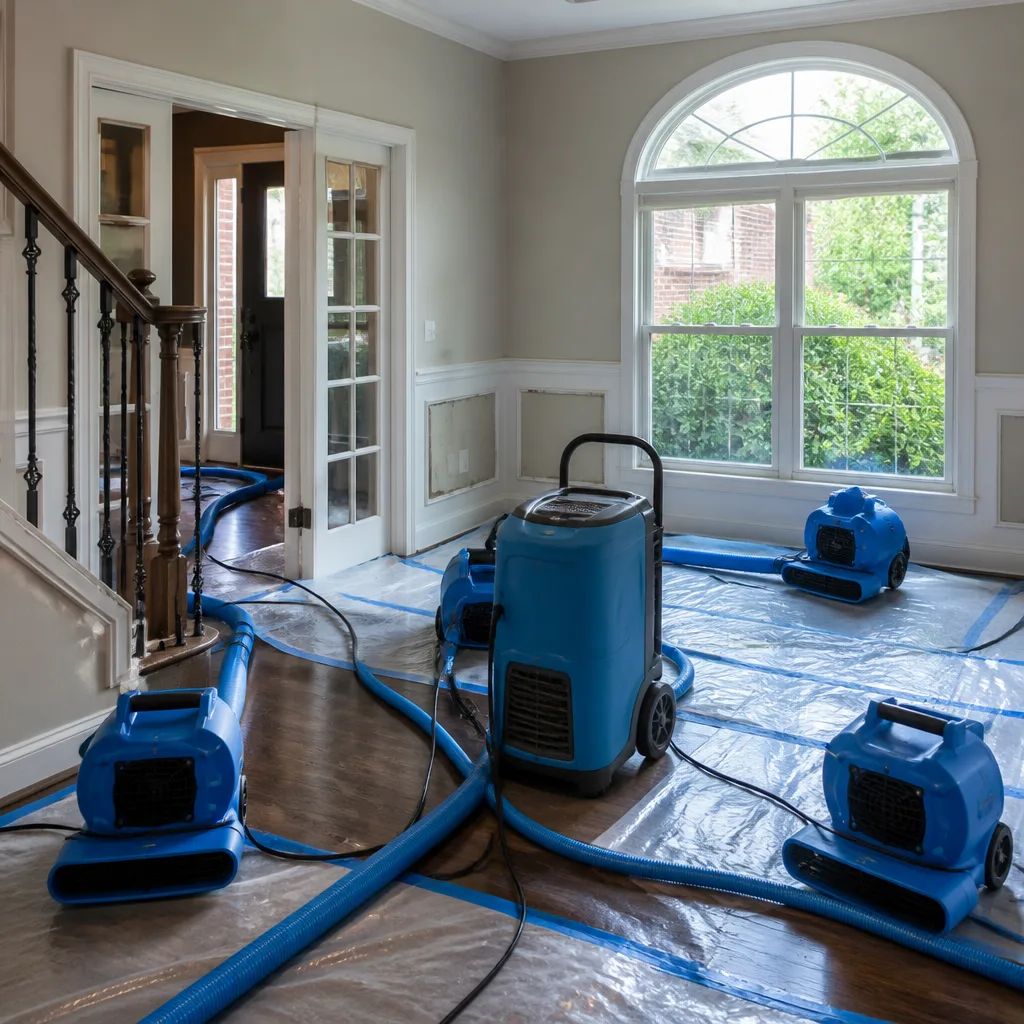

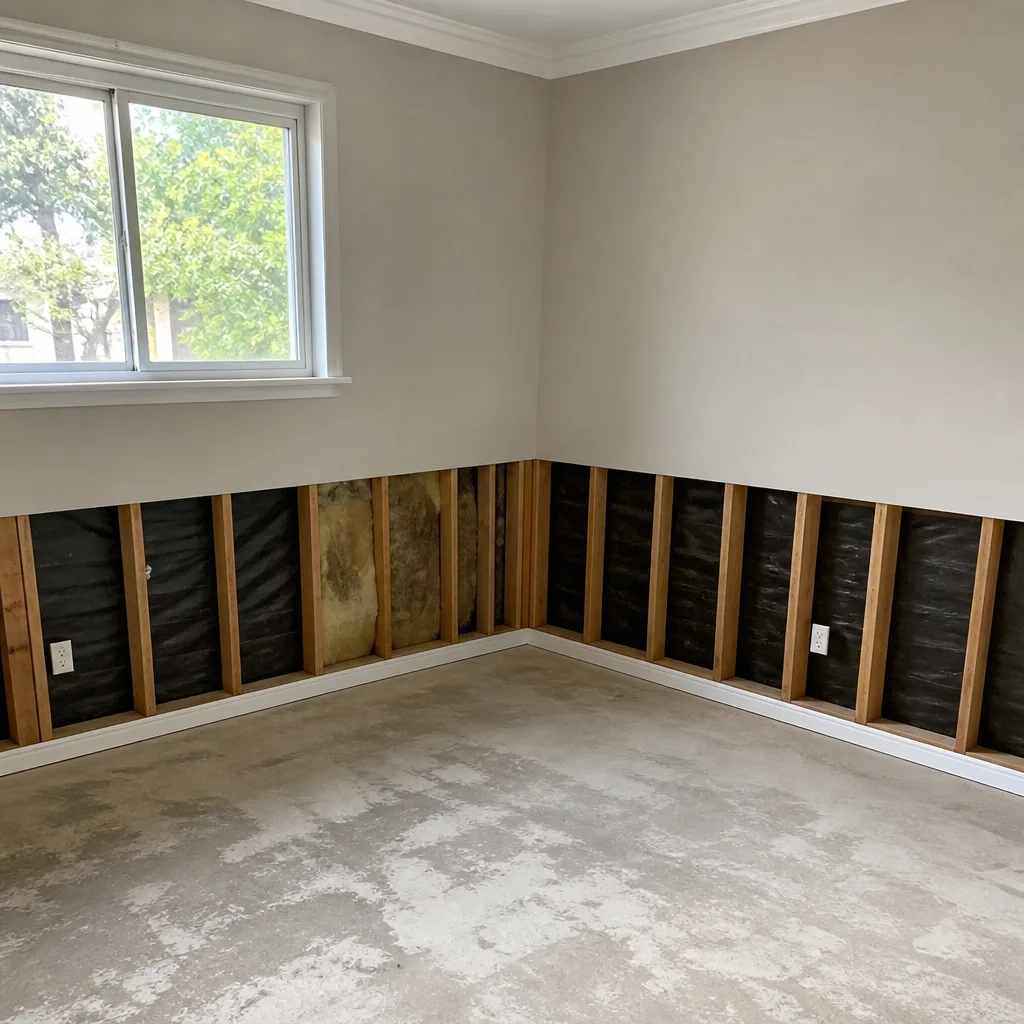

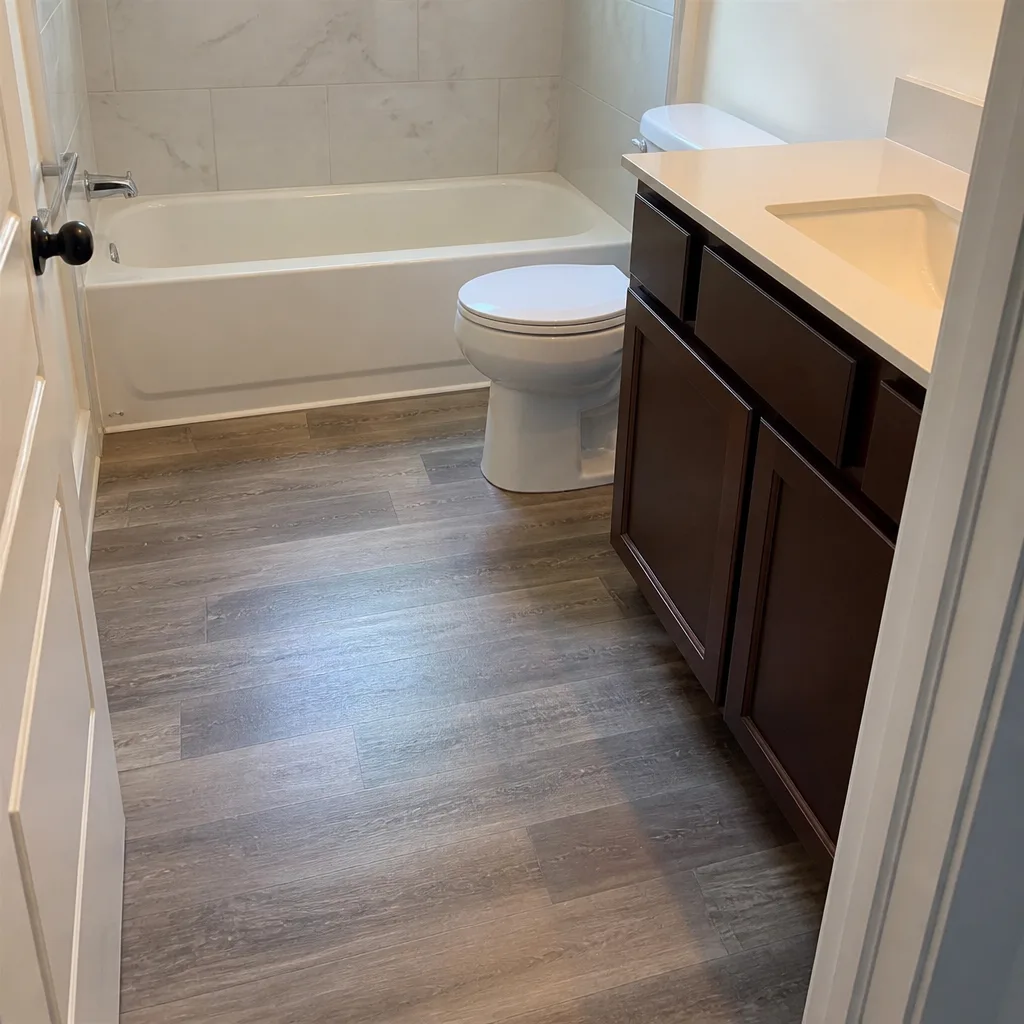

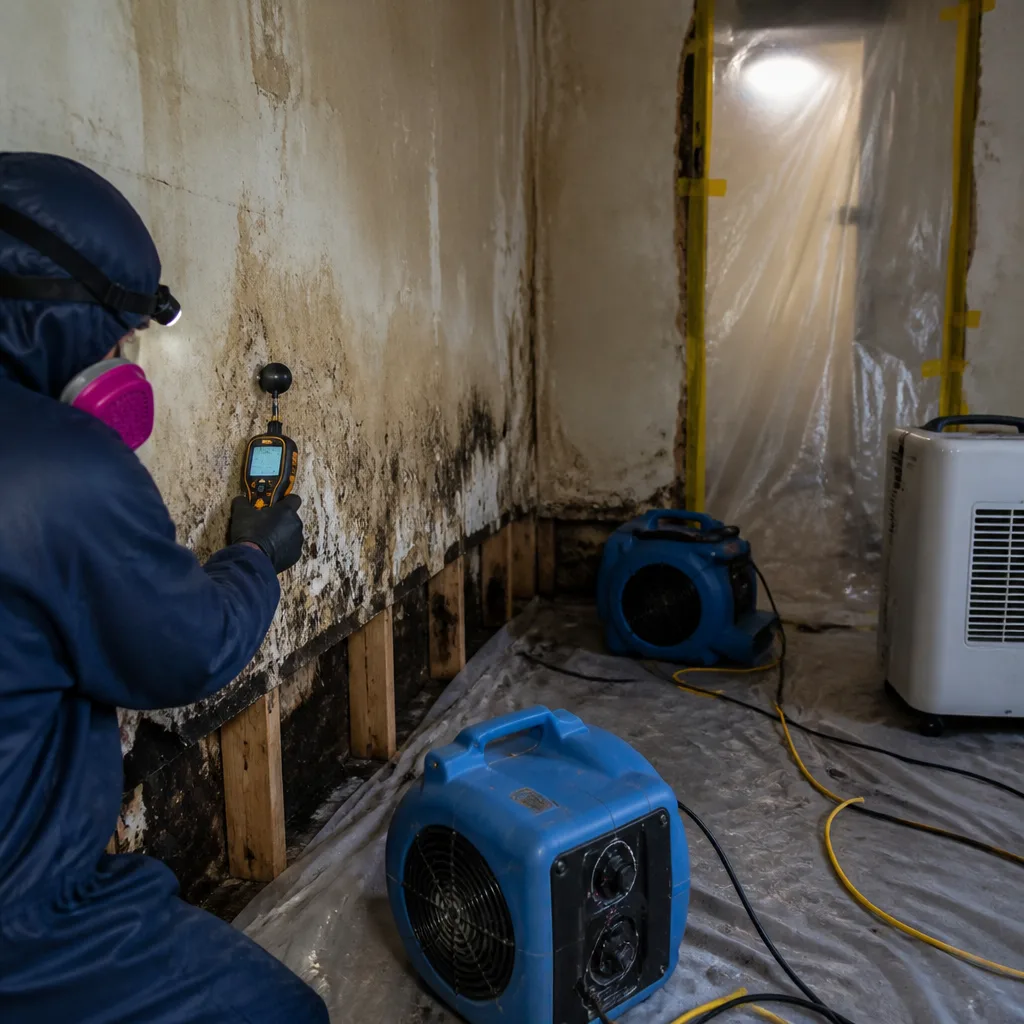 Before
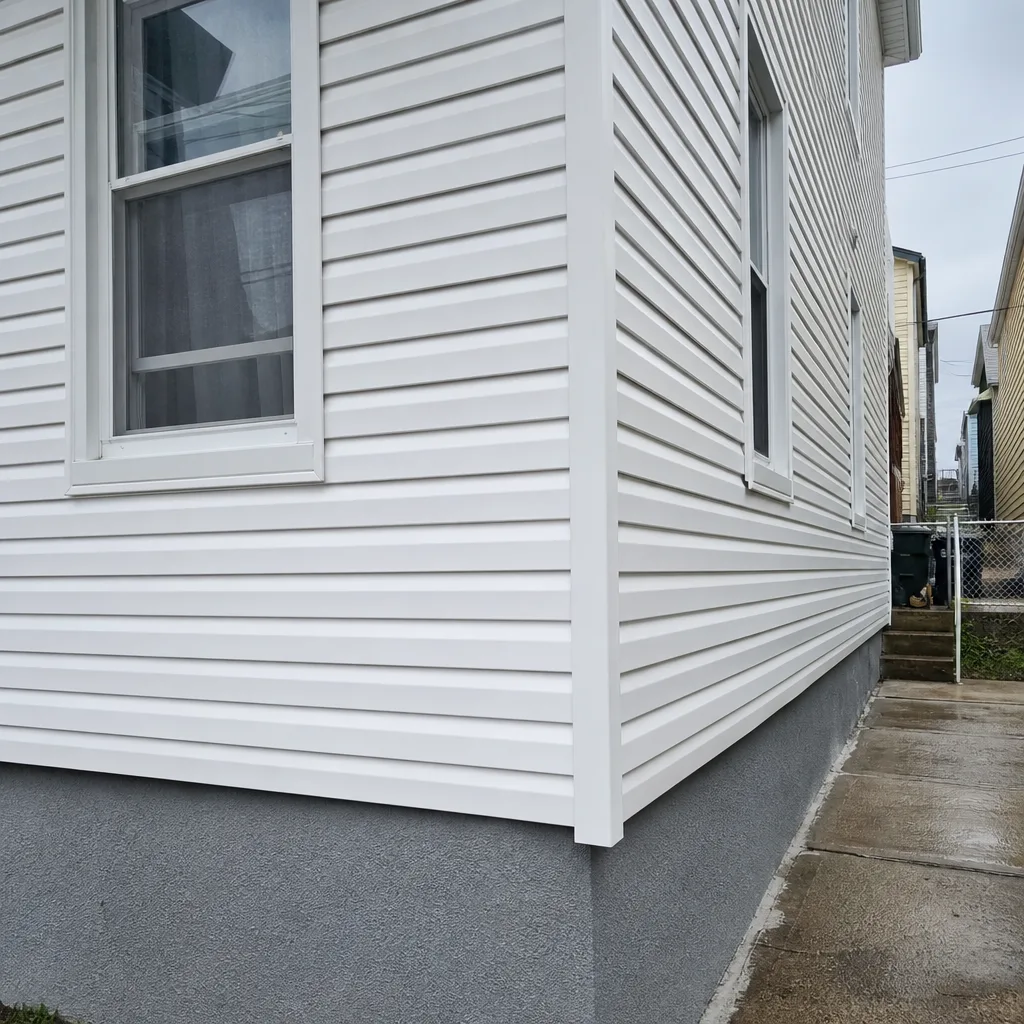 After
After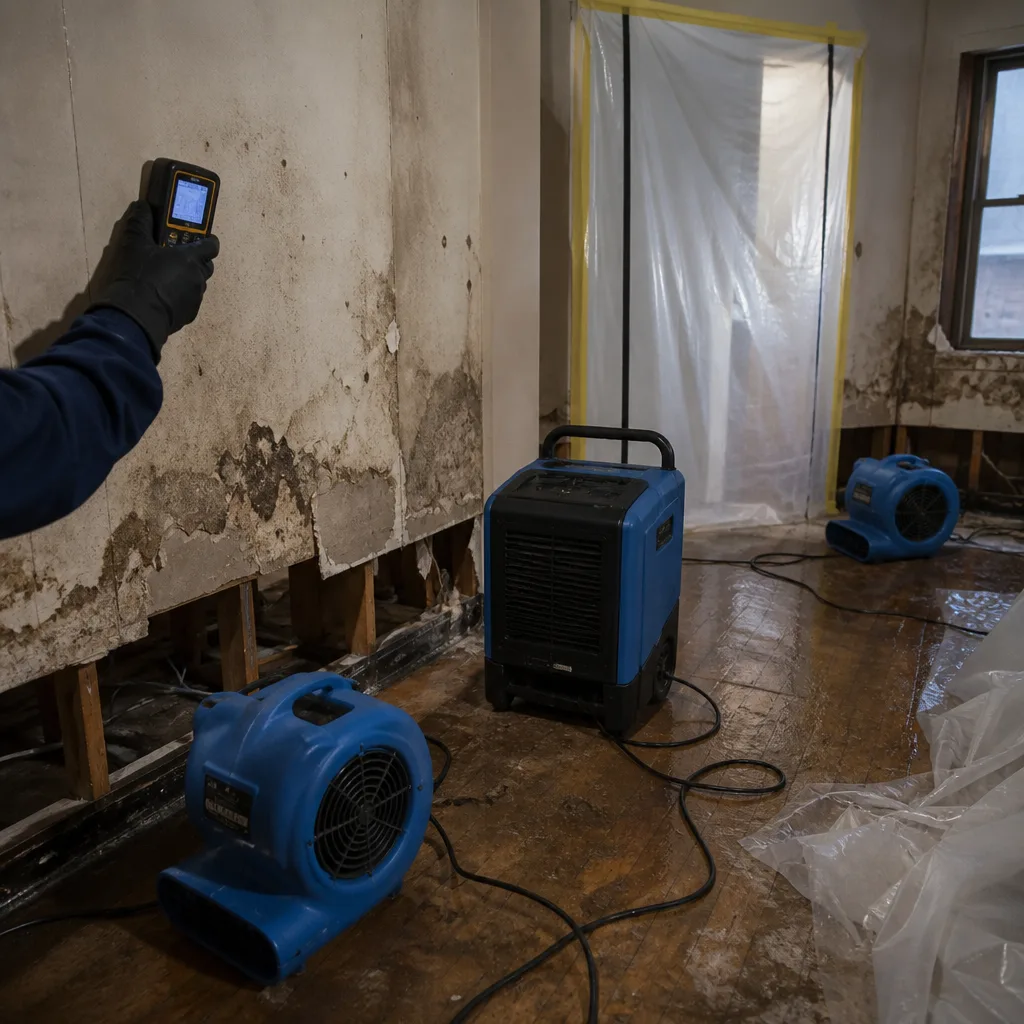 Before
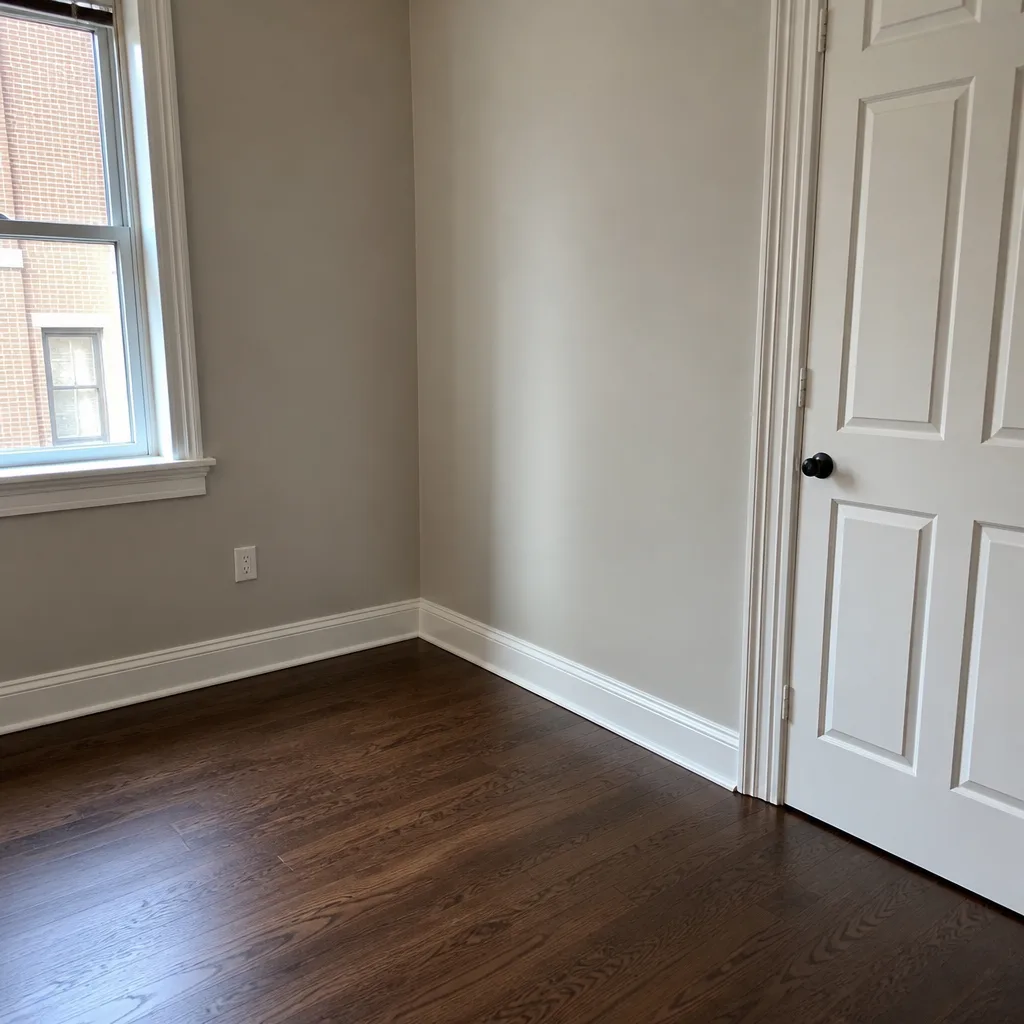 After
After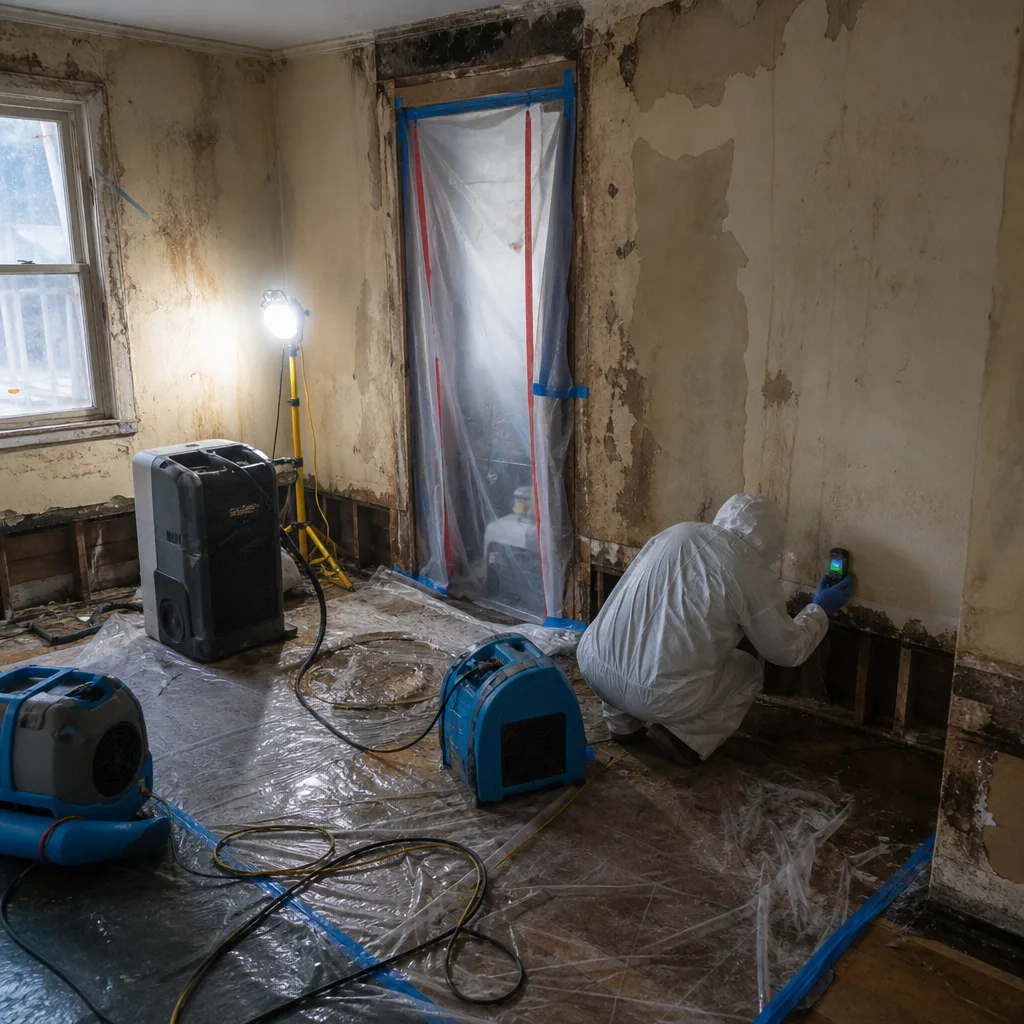 Before
 After
AfterWater Damage Restoration Maintenance Checklist for East Bronx Homeowners
Most East Bronx homeowners don’t think about water damage until the water is already where it shouldn’t be. But here’s the thing: the homes in this borough were built to handle routine rain, not the kind of weather that’s become more common in the last decade. In places like Pelham Bay, Throggs Neck, and Country Club, we see the same pattern year after year. The houses that get hit hardest aren’t the oldest ones. They’re the ones where small maintenance tasks got skipped for a season or two until a nor’easter exposed every one of them at once. This checklist is the one our own crews use when they walk a property before giving a homeowner an honest assessment. Read it, keep it, and work through it before the next big storm season starts.
Quick Answer
A water damage maintenance checklist for East Bronx homes comes down to seven recurring tasks: inspect sump pumps and floor drains, clean gutters and confirm downspouts discharge far from the foundation, check basement walls and floors for efflorescence or seepage, test the main water shutoff and appliance supply lines, grade soil away from the foundation, seal window wells and exterior penetrations, and keep a moisture meter reading every outside wall after heavy rain. Do these twice a year, once in spring and once in late fall.
Table of Contents
- Check Sump Pumps and Floor Drains Before Every Storm Season
- Clean Gutters and Extend Downspouts Away From the Foundation
- Inspect Basement Walls for Efflorescence, Cracks, and Seepage
- Test the Main Water Shutoff and Every Appliance Supply Line
- Fix Grading and Seal Window Wells So Water Never Collects
- Keep a Simple Moisture Log for Exterior Walls After Rain
- Build a Seasonal Schedule That Fits East Bronx Weather
- Common Mistakes to Avoid
- When to Call a Professional
- Frequently Asked Questions
- The Bottom Line
Check Sump Pumps and Floor Drains Before Every Storm Season
Sump pump failure is the number one cause of basement flooding we’re called for in East Bronx, and it’s almost always preventable. A pump that’s been sitting in a pit for three years with no exercise will fail on the exact day you need it. The water table in East Bronx varies by block. Parts of Pelham Bay and Edgewater sit close enough to the Hutchinson River and Westchester Creek that a heavy rain pushes groundwater up from below, not just through the walls. A working sump pump is the difference between a damp floor and a finished basement with a new floor plan.
Here’s the order we check things in, and it takes about fifteen minutes:
- Lift the float switch manually. Pour water into the pit if the float doesn’t trigger the pump. If the pump hums but doesn’t move water, the impeller may be jammed.
- Check the discharge line. It should run at least ten feet from the foundation and point downhill. Frozen discharge lines are a real problem in East Bronx winters, so check it again in late November.
- Test the backup power source. If you have a battery backup or water-powered backup, run it. If you don’t, write down the brand and model of your pump and note its age. Most residential sump pumps fail between seven and ten years, not gradually, all at once.
- Clear the floor drain. Pour a bucket of water down every floor drain in the basement. Slow drainage almost always means a partial clog or a dried-out trap, and both are cheap fixes compared to a backed-up line.
One thing we tell every East Bronx homeowner: if your sump pump runs constantly, even in dry weather, that’s not normal. It means the water table is high for your specific lot, and you’re one pump failure from a flooded basement. In that case, consider a secondary pump or a water-powered backup that runs on municipal water pressure even when the power is out.
Clean Gutters and Extend Downspouts Away From the Foundation
Gutter maintenance is boring, and that’s exactly why it gets skipped. But in East Bronx, where many homes are attached or semi-attached and roof runoff has nowhere to go except the narrow path between you and your neighbor, a clogged gutter is a standing invitation to water damage. When gutters overflow, water falls straight down along the foundation wall, saturates the soil, and finds its way through hairline cracks and mortar joints that were never designed to hold back standing water.
Floodline Restoration Co. home guidance is consistent across every property we assess: downspout extensions cost about $15 at any hardware store and prevent thousands in water damage. Clean gutters in the spring and again in late fall, after the leaves are down. Walk the perimeter during a rainstorm and actually look at where the water exits. It should discharge at least six feet from the house, on a downslope. If it pools against the foundation, fix it that week, not next season.
Watch for these specific failures:
- Downspouts that empty into an underground drain that no one has inspected in years. Older East Bronx homes built in the 1940s and 1950s often have clay tile drain lines that crack or collapse over time.
- Gutters pulling away from the fascia, which lets water run behind the gutter and down the wall instead of into the downspout.
- Neighbors’ downspouts aimed at your foundation wall, which is common in attached housing stock and requires a conversation or a drain basin placed at the property line.
Inspect Basement Walls for Efflorescence, Cracks, and Seepage
Efflorescence is that white, chalky residue that appears on concrete and masonry walls. It’s not mold, but it’s a signal. It means water is moving through the wall, dissolving minerals, and depositing them on the surface when the water evaporates. In East Bronx basements, we see it most often on the north and east walls of stone foundation homes in Throggs Neck and on block walls anywhere the exterior grade slopes toward the house.
This inspection should be done twice a year, ideally with a strong flashlight, because basement lighting hides more than it reveals:
- Run your hand along the wall at floor level. Dampness that comes and goes with the weather is seepage. Dampness that never dries is more serious and may signal a supply line leak.
- Mark any vertical cracks with a pencil line and date. If the crack widens over the following six months, the foundation is moving. Horizontal cracks are more urgent and should be evaluated that week.
- Check the cove joint, the seam where the floor meets the wall. That’s the single most common seepage point in East Bronx basements, especially during spring snowmelt.
- Look at floor drains and the areas around the water heater and boiler. Water marks here often point to appliance issues, not groundwater.
We use moisture meters and thermal imaging on every job to map exactly where water is traveling. But a homeowner who checks these four points faithfully catches problems while they’re still repair jobs, not restoration jobs.
Test the Main Water Shutoff and Every Appliance Supply Line
Here’s a situation we see in East Bronx more than anywhere else we work: water damage that started as a five dollar washer failure on a washing machine supply line. The rubber hoses behind washers and dishwashers have a service life of about eight to ten years, yet some original hoses in prewar buildings are still doing their best to fail catastrophically. When they go, they don’t drip. They release full pressure into whatever room they’re in, and if the homeowner can’t find the shutoff valve, that release continues for minutes that feel like hours.
Test these things this weekend, and you’ve eliminated most of your household flood risk in one afternoon:
- The main water shutoff. It’s often in the basement near the front wall or in a utility closet. Turn it clockwise to close, then open a faucet on the lowest floor to confirm water stops. If the valve is frozen or crumbles, replace it that week.
- Washing machine hoses. Look for bulging, cracking, or rust at the fittings. Replace rubber hoses with braided stainless steel, which resist burst failures better than anything else at the hardware store.
- Water heater. Check the temperature and pressure relief valve for drips and note the unit’s age. Most tanks last ten to fifteen years. At the twelve-year mark, have it inspected or plan to replace it before it fails on a holiday.
- Dishwasher and refrigerator lines. Pull the appliance out if you can and inspect the full length of the supply line. Leaks here hide under cabinets and rot floors and subfloors for years before becoming visible.
- Under-sink valves. Turn each one off and on once a year. The gate valves in older Bronx homes seize when they’re never exercised.
If you find a leak at any shutoff, don’t force the valve open or closed. A cracked or seized valve can snap and make the problem much worse. This is where a professional comes in, and call us for guidance if you’re not sure whether a valve is safe to operate.
Fix Grading and Seal Window Wells So Water Never Collects
Soil grading is one of the most underappreciated parts of water damage prevention in East Bronx. The rule is simple: the ground around your foundation should slope away from the house at a rate of about six inches over the first ten feet. But in attached homes in Allerton, Pelham Parkway, and Morris Park, that slope often runs the wrong way because the property was designed around drainage infrastructure that no longer works the way it did seventy years ago.
Walk the perimeter after the next significant rain. Look for these signs:
- Soil that stays spongy or visibly wet three days after rain.
- Areas where the soil line has settled below the top of the foundation wall, creating a natural channel that directs water against the house.
- Mulch beds piled so high they create a dam against the siding instead of draining water away.
- Depressions near the base of downspouts where water pools instead of flowing away.
Window wells deserve their own attention. East Bronx basements with windows below grade rely on the well and gravel fill to drain water away from the window frame. When the well fills with leaves, silt, or landscaping debris, it becomes a bathtub waiting for the next storm. Clean the well out every spring, check that the gravel at the bottom is loose and drains freely, and add a clear plastic cover if the well is deep or exposed to heavy yard debris. A window well that fills with water during a storm will leak through the window frame into the basement, often along the exact seam that’s hardest to dry.
Keep a Simple Moisture Log for Exterior Walls After Rain
We don’t expect every East Bronx homeowner to own a professional moisture meter. But you can buy a decent one for under $50, and it will tell you things your eyes can’t. After a heavy rain, run the meter along the base of every exterior wall in the basement or lowest level. Write down the readings. Do it again the next day. If the number keeps climbing or stays elevated a week later, water is still entering the wall from somewhere.
The value of this log is that it turns a vague feeling of “the basement feels damp” into a record you can compare over time. Our crews at Floodline Restoration Co. use professional-grade Dri-Eaz and XPOWER moisture mapping equipment to do this at the level required for insurance claims and drying verification. But a homeowner’s simple log does the same job early, before the damage becomes serious enough to call us.
Watch for these patterns, which we see regularly in East Bronx:
- Readings that spike only after rain, then drop within a day or two: exterior seepage through the wall, usually tied to grading or gutter issues.
- Readings that stay elevated year-round: a possible interior leak, a failed drain tile, or a high water table.
- Readings that spike near a specific wall section or appliance: a point leak from a pipe or fixture.
Build a Seasonal Schedule That Fits East Bronx Weather
Here’s the thing about maintenance checklists: they fail when they’re too long to actually do. So instead of adding thirty tasks to your calendar, work these seven into two sessions per year. Spring and late fall. Everything else falls into place around them.
Spring session (April, before spring rains):
- Clean gutters and check downspout extensions.
- Test the sump pump and check the discharge line.
- Inspect basement walls and floor for efflorescence and cracks.
- Clean window wells and check the gravel fill.
- Walk the grading around the foundation and fix low spots.
Fall session (November, before freezing weather):
- Clean gutters a second time after leaves fall.
- Disconnect exterior hoses and drain exterior faucets.
- Test the main water shutoff and all under-sink valves.
- Inspect washing machine and dishwasher supply lines.
- Check the sump pump discharge line for blockages before freeze.
Common Mistakes to Avoid
- Skipping the sump pump test because “it worked last year.” Pumps fail suddenly and always at the worst time. A January thaw in East Bronx sends a huge volume of water through the drainage system at once, and that’s exactly when a marginal pump dies.
- Assuming the main water shutoff works without ever turning it. Valves in older East Bronx homes seize from disuse. The moment you need it is the moment you discover it won’t turn. Test it every fall.
- Letting gutter problems ride through one more season. A sagging gutter section or clogged downspout doesn’t stay a small problem. Every storm that overflows sends water down the foundation wall. By the time the basement leaks, you’re paying for both the gutter and the restoration.
- Ignoring efflorescence as “just cosmetic.” That white powder means water is moving through the wall. It’s the earliest warning sign you’ll get, and it’s free information. Wiping it away without finding the source costs you months of lead time.
- Running a dehumidifier and calling it a dry basement. A dehumidifier masks the symptom. It doesn’t stop water from entering the wall, and it can’t dry structural materials that are already saturated behind the surface.
- Not knowing where the water shutoff is, or not telling everyone in the house. In an emergency, every minute counts. Every adult in the East Bronx home should know where the main valve is and how to close it.
- Assuming insurance covers maintenance failures. Water damage from a lack of maintenance, like a worn washing machine hose or a sump pump that was never tested, is often denied or partially covered. Regular maintenance is also a financial protection.
When to Call a Professional
Some tasks on this checklist are doable with a screwdriver and a Saturday afternoon. Others are not. Call a professional when you see water entering through a foundation crack that’s active or widening, when a sump pump runs constantly, when a moisture meter reading stays elevated for more than a week, when you find mold growth larger than a small patch, or when you’ve had any sewage backup, which requires containment and disinfection, not just drying. Floodline Restoration Co. offers free estimates in East Bronx - call (607) 602-2791 and a live person will answer, day or night.
Frequently Asked Questions
Twice a year is the minimum: once in spring before April rains and once in late fall before freezing weather. Homes in East Bronx neighborhoods close to the Hutchinson River or Westchester Creek should add a third check after any storm that drops more than two inches of rain in a day.
Water damage is the physical deterioration from water exposure: warped wood, stained drywall, rust, and delamination. Mold is a biological growth that appears when water or high humidity persists. We see both together in East Bronx basements, because the same conditions that cause seepage also feed mold. Dry the space properly and both are addressed.
Waterproofing costs in East Bronx typically range from $3,000 for a simple interior drain and sump install to $20,000 or more for exterior excavation and full foundation sealing on older stone homes. The number depends on the foundation type, lot access, and the source of the water. Call (607) 602-2791 for an exact quote; estimates are free.
It depends on the cause. Sudden and accidental events, like a burst supply line, are generally covered. Gradual seepage through foundation walls or damage from a failed sump pump that lacked maintenance is often excluded. We work directly with insurance carriers on every East Bronx claim, and we document everything so the adjuster has a clear record.
You can certainly improve exterior grading, extend downspouts, and clean gutters yourself, and those often solve the problem. But if water still enters through the wall after those fixes, the issue is likely in the wall or below the floor. That calls for professional assessment with moisture mapping, not a quick patch.
A live dispatcher answers at (607) 602-2791 any hour. We dispatch a certified crew the same visit in most East Bronx emergencies, with extraction equipment running that day when it’s safe to begin. We don’t ask you to leave a message and wait.
The Bottom Line
Water damage in East Bronx almost always starts small: a skipped gutter cleaning, a worn hose, a sump pump nobody tested. The seven items on this checklist are the same ones our crews check on every property we walk. Do them in spring and fall, and keep a simple log of what you find. You’ll catch most problems before they become restoration jobs. When you do need help, whether it’s an emergency or a question about something you found during your inspection, call Floodline Restoration Co. at (607) 602-2791. A live person answers, and we’ll tell you honestly what you’re dealing with.
Written by Curt Bowman, Owner at Floodline Restoration Co., serving East Bronx since 2010.