
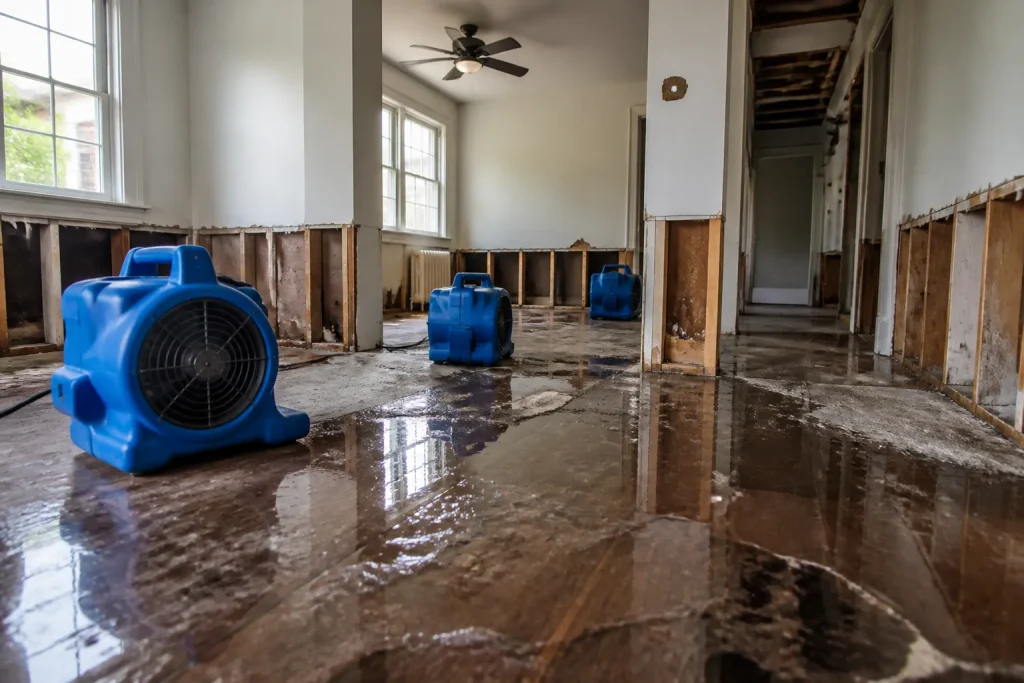
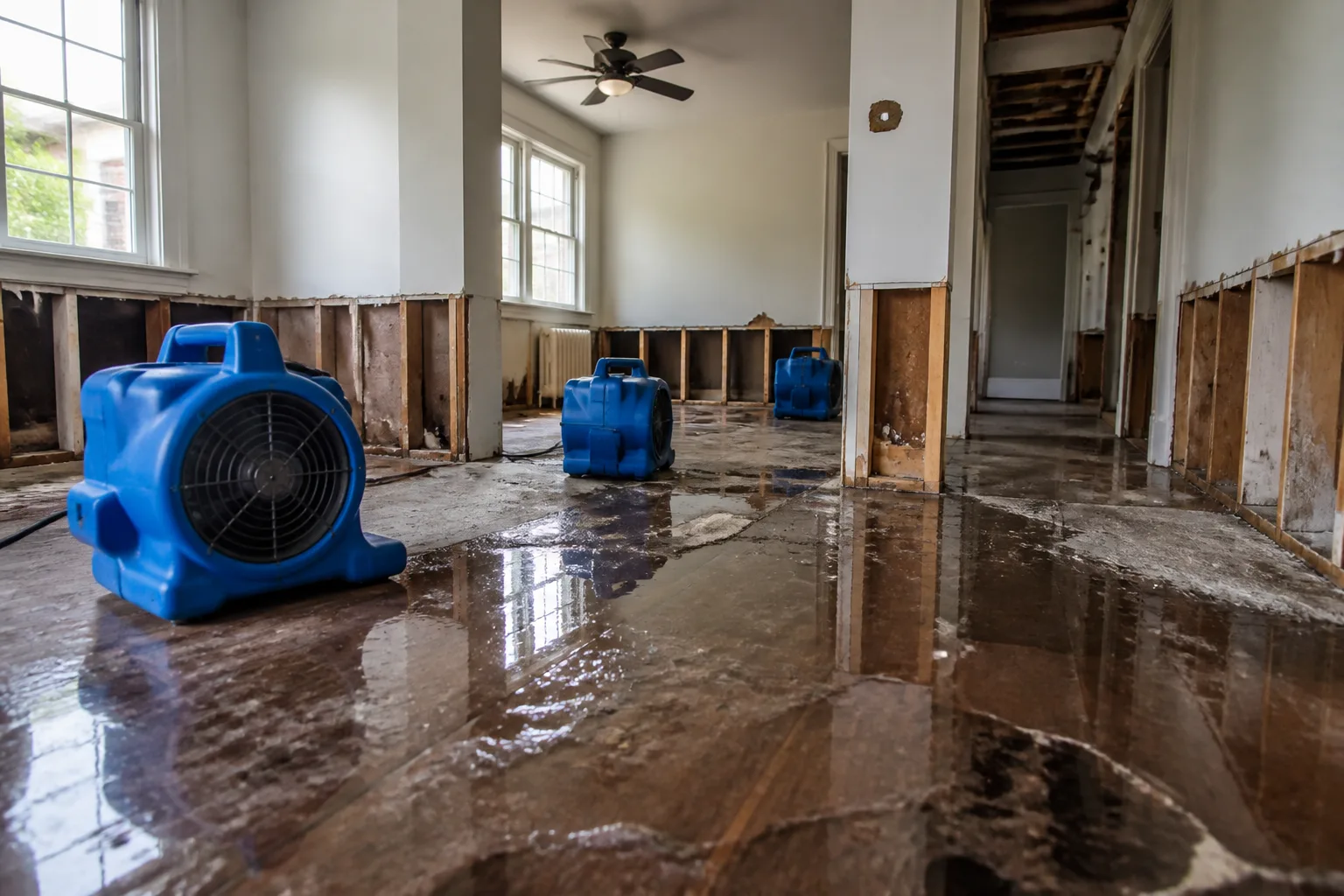
Water Damage Restoration Cost Guide: What East Bronx Homeowners Pay in 2026
If you’re staring at a flooded floor in East Bronx right now, here’s the straight answer: most homeowners here pay between $2,800 and $9,500 for water damage restoration in 2026, with the average job landing around $4,600. The spread is wide because a Category 1 supply-line break in a single-family home on Morris Park Avenue costs far less than a Category 3 sewage backup in a six-story prewar building near Pelham Parkway. The variables are local, not generic, and the national square-footage formulas you’ll find online don’t account for what actually drives pricing in this borough. If you’d rather skip the arithmetic and get a real number from a crew that works these streets every day, call (607) 602-2791 for a free estimate.
Key Takeaways: East Bronx Water Damage Costs in 2026
- Realistic range: $2,800-$9,500, with most East Bronx jobs settling between $4,000 and $6,500.
- Category matters more than square footage: clean water (Cat 1) can run $3.50-$5.00/sq ft; sewage (Cat 3) runs $7.00-$12.00/sq ft because of antimicrobial treatment, disposal fees, and containment.
- Hidden multipliers are the real story: elevator buildings, union doormen, occupied-unit surcharges, and asbestos testing in pre-1980 construction can add $1,500-$4,000 to a job that would cost half that in a suburban basement.
- Xactimate isn’t gospel: insurance adjusters routinely underwrite drying time, equipment counts, and supervision hours. A detailed contractor scope of work is your best tool to push back.
- Splitting extraction and rebuild costs more: expect a 15-25% coordination markup when you hire two companies instead of one full-cycle crew.
What Does Water Damage Restoration Actually Cost in East Bronx by Category?
The single biggest factor in your final bill is the water’s classification, not the square footage. In East Bronx, we see all three categories regularly because the housing stock runs from single-family homes in Country Club to densely packed prewar buildings in Allerton and Pelham Gardens. Here’s what each category costs in this market as of early 2026.
Category 1 (clean water): This is a broken supply line, an overflowing bathtub, or a failed water heater. No sewage, no ground seepage. Expect $3.50-$5.00 per square foot for extraction and drying in East Bronx, plus $250-$450 for a moisture map and initial assessment. A 500-square-foot living room flooded by a burst pipe typically lands around $2,800-$4,200 all in. These jobs are usually done in one visit with professional-grade water damage restoration in East Bronx.
Category 2 (gray water): This is water with some contamination, like a washing machine discharge or an overflowing toilet with no solid waste. Expect $5.50-$8.00 per square foot. The additional cost covers antimicrobial treatment, more aggressive drying, and often disposal of affected porous materials like carpet padding.
Category 3 (black water / sewage): This is sewage backup, ground flooding, or anything that’s been sitting more than 48 hours. In East Bronx, Category 3 jobs typically run $7.00-$12.00 per square foot. The cost includes full containment (plastic barriers, negative air), HEPA filtration, antimicrobial application, removal of all porous materials, and regulated disposal. A sewage backup affecting 400 square feet of a finished basement in Throggs Neck will run $4,500-$8,000. You’re also likely looking at mold remediation in East Bronx as a follow-up, since sewage sits wet and warm for days before anyone notices.
The Hidden Multipliers: Why East Bronx Jobs Cost More Than the National Average
National cost guides average $3.75 per square foot and call it a day. That number means almost nothing here. East Bronx housing stock creates cost drivers that no generic guide accounts for. Here are the ones we factor into every estimate.
Elevator and Access Fees
If you’re in a mid-rise or high-rise in Pelham Bay or Soundview, every extraction unit, every air mover, every dehumidifier, and every bag of debris has to ride an elevator. Building management often requires scheduling around resident traffic, which means off-hours work or split shifts. Some co-op boards charge a contractor access fee, typically $150-$400. In elevator buildings, expect the base labor rate to run 20-30% higher than a ground-level single-family home.
Occupied-Unit Surcharges
Most East Bronx multi-family buildings are occupied during restoration. That means plastic containment, careful hose routing through common areas, and work windows that avoid disturbing neighbors. A job that takes eight uninterrupted hours in a vacant house can take twelve when you’re working in a lived-in building. Contractors who know this market build that time into the estimate. The ones who don’t end up cutting corners or coming back with change orders.
Asbestos and Lead Testing in Pre-1980 Construction
Roughly two-thirds of East Bronx housing stock predates 1980. If your water damage requires cutting into drywall, flooring, or pipe insulation in a pre-1980 building, New York City regulations require asbestos testing before work begins. That’s a $450-$900 line item, and if asbestos is present, abatement adds $1,500-$4,000 depending on scope. Lead paint protocols apply if the building predates 1978 and children under six live there. A contractor who skips this testing is risking your health and a stop-work order from the city.
Union Building Requirements
Some co-ops and managed buildings in East Bronx require union labor or site-specific insurance endorsements. If your building has a managing agent, check the alteration agreement before signing any restoration contract. Union labor rates in this market run $85-$140 per hour versus $65-$90 for non-union restoration techs, and the building may require COI endorsements that some smaller restoration companies can’t provide. We carry the standard NYC endorsements because we’ve been working these buildings since 2010, but it’s worth asking any contractor you’re considering.
How Insurance Carriers Price Water Damage: Xactimate, Line Items, and What Adjusters Underwrite
Your insurance carrier almost certainly uses Xactimate, an estimating software, to price water damage claims. Xactimate assigns a line item to every task: water extraction per square foot, air mover per day, dehumidifier per day, antimicrobial application, baseboard removal, drywall cut and dispose, and so on. The adjuster’s initial estimate is a computer-generated number based on square footage and standard rates. Here’s where it goes wrong.
Adjusters routinely underwrite three things: drying time, equipment counts, and supervision hours. A carrier estimate might allow four air movers and two dehumidifiers for four days. A real East Bronx job in a prewar building with plaster walls and high humidity might need six air movers, three dehumidifiers, and seven days of drying. Plaster absorbs water differently than drywall and releases it more slowly. That’s a $1,200-$2,400 difference on drying alone.
The most useful document you can have is a detailed scope of work from your restoration contractor. When our crew writes a scope for an East Bronx job, it includes daily moisture readings, a drying log, photo documentation of every affected area, and a line-item breakdown that matches Xactimate’s structure so the adjuster can compare apples to apples. That’s how homeowners push back on low estimates: not by arguing, but by handing the carrier a professional document that justifies every line. We bill the carrier directly, which means you’re never fronting money and chasing reimbursement.
One thing most guides won’t tell you: you have the right to choose your own restoration contractor. The carrier’s “preferred vendor” program is the carrier’s contractor, not yours. A preferred vendor’s profit depends on keeping the carrier happy with low invoices. An independent contractor’s profit depends on keeping you happy with a dry house. In East Bronx, where prewar construction creates real drying challenges, that distinction is worth thousands.
The Split-Job Trap: Why Hiring Two Companies Costs More Than One
Here’s a scenario we see constantly in East Bronx. A homeowner calls an emergency water extraction company. That crew shows up, pumps out the water, sets up drying equipment, and leaves. Three days later, the homeowner calls a general contractor to rebuild the damaged drywall and flooring. The general contractor shows up, looks at the drying log, questions whether the area is actually dry, and brings in his own moisture meter. Then there’s a gap in the schedule, then the rebuild starts, then something wasn’t dried properly, then mold shows up, and now there’s a third call to a mold remediation company.
That sequence costs more than writing one check to one company. The coordination markup, the scheduling gaps, the duplicated assessments, and the finger-pointing when something goes wrong typically add 15-25% to the total cost. On a $7,000 job, that’s $1,050-$1,750 in pure friction.
The alternative is a full-cycle restoration company that handles extraction, drying, and rebuild under one roof. One moisture map, one drying log, one crew that knows what the readings looked like on day one and what the rebuild needs on day seven. That’s how we work at Floodline Restoration Co. The line the water left is where we start, and we don’t hand the job off until the last piece of trim is painted. The 90-Day Done Right Promise covers the entire job, in writing, with no arguing if something isn’t right after we leave.
2026 Cost Landscape: Material and Equipment Inflation in the Bronx Market
Post-pandemic material costs have stabilized somewhat, but they’ve stabilized high. Drywall is up roughly 18% since 2021. Paint, lumber, and flooring adhesives all settled into a new baseline that’s 12-20% above pre-2021 levels. In East Bronx, labor rates for IICRC-certified restoration technicians have risen 10-15% since 2023 because demand outstrips supply in dense urban markets.
Drying equipment rental rates, if you’re quoted as a separate line item, run $45-$70 per air mover per day and $85-$120 per large dehumidifier per day in the Bronx market. Professional-grade brands like Dri-Eaz, Phoenix, and B-Air hold their value because they’re rebuilt and reused across hundreds of jobs, which is exactly why a restoration contractor’s effective equipment cost is lower than what you’d pay at a rental counter.
Mold remediation add-on pricing in East Bronx runs $2,500-$6,000 for a typical affected area under 300 square feet. If your water sat for more than 48 hours, or if the relative humidity inside the affected room stayed above 60% for a week, budget for mold testing and possible remediation as a separate line item. Most carriers cover it only if it’s causally linked to a covered water event, so documentation matters. Daily moisture readings, which an IICRC- or RIA-trained tech logs on every job, are the difference between a covered claim and a denied one.
When to Call a Pro (and When It’s Safe to Handle It Yourself)
Here’s our honest line on DIY. A small, contained clean-water spill, say a fish tank tipped over on a tile floor, you can dry that yourself with towels and a box fan. If the affected area is bigger than a bathroom, if the water is gray or black, if it’s soaked into drywall or flooring, or if it’s been sitting more than 24 hours, call a professional. The danger isn’t just the visible water. It’s the moisture inside wall cavities, under baseboards, and behind cabinets that you can’t see or reach without a moisture meter. That hidden water is where mold starts, and mold remediation costs three times what prompt extraction and drying costs.
Last month we pulled a Category 3 backup out of a garden apartment over in Throggs Neck where the homeowner had been running a dehumidifier for four days and couldn’t figure out why the smell kept getting worse. The moisture map showed the water had wicked eight inches up the plaster walls and into the subfloor. By the time we opened the walls, the studs were 45% moisture content and had been feeding microbial growth for nearly a week. The owner tried to save money and ended up paying for full remediation on top of the original cleanup. Done right the first time is cheaper.
Related services in East Bronx: Water Damage Restoration in East Bronx | Mold Remediation in East Bronx | Fire & Smoke Damage Restoration in East Bronx
The Bottom Line
Water damage restoration in East Bronx in 2026 is a local market with local prices. You’ll pay $2,800-$9,500 depending on water category, building type, and how quickly you act. The hidden multipliers, elevator access, pre-1980 testing requirements, occupied-unit scheduling, and the carrier’s Xactimate assumptions, matter more than any per-square-foot average. The smartest money you’ll spend is hiring a full-cycle contractor who writes a detailed scope, documents every reading, bills your carrier directly, and stands behind the work in writing.
If you’re in East Bronx and dealing with water damage right now, Floodline Restoration Co. offers free estimates and direct insurance billing. Call (607) 602-2791 any hour, any day. A live dispatcher answers. We’ll be there when we say.
Frequently Asked Questions
Most East Bronx homeowners pay between $2,800 and $9,500 in 2026, with the average job landing around $4,600. Category 1 clean water runs $3.50-$5.00 per square foot, while Category 3 sewage backup runs $7.00-$12.00 per square foot. Building type matters as much as water category. Call (607) 602-2791 for a free, specific estimate.
Yes, if the damage is sudden and accidental, like a burst pipe or an overflowing appliance. Gradual leaks, neglect, and flood damage from outside water are generally excluded. Your carrier will pay your contractor directly if you assign the claim, and a detailed scope of work with photo documentation and daily moisture readings is the strongest tool to get the full amount you’re owed. We coordinate directly with adjusters.
Same day, usually within hours. Floodline Restoration Co. runs live dispatch 24/7, so a person answers the phone at 2 a.m. and a certified crew reaches the job the same visit. In East Bronx’s older buildings, the first hours determine whether you’re drying materials or replacing them. Faster response means a smaller final bill. Call (607) 602-2791 the moment you see water.
If the water is clean, contained to a small area, and caught within a few hours, a homeowner can often dry it with fans and dehumidifiers. If the water is gray or black, has touched drywall or flooring, or has been sitting more than 24 hours, full restoration is cheaper in the long run. Hidden moisture inside walls feeds mold that costs triple to remediate. When in doubt, call for a free assessment.
Your restoration contractor should. Floodline Restoration Co. bills your carrier directly and handles adjuster communication, photo documentation, and scope negotiations, so you’re never the messenger between your insurance company and the crew. You choose the contractor; the carrier writes the check.
Written by Curt Bowman, Owner at Floodline Restoration Co., serving East Bronx since 2010.
Need Damage Restoration Help?
Call Floodline Restoration Co. - licensed & insured, here with fast after-hours help in East Bronx.
(607) 602-2791